Irish Examiner view: We must mask up to face down the worst risks of pandemic
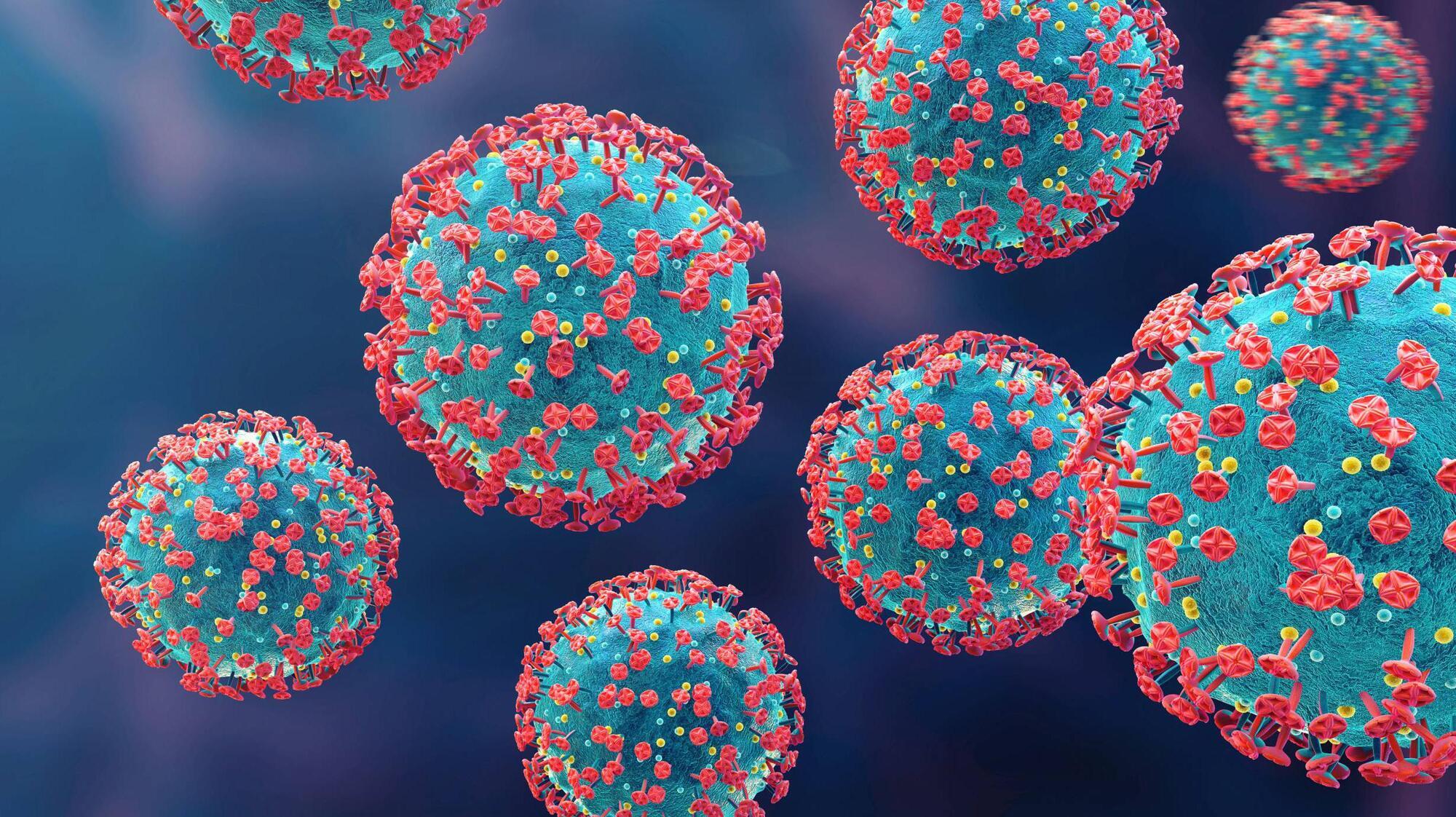
The Omicron variant of Covid-19 is more transmissible, and it's time to roll out heavy-duty FFP2 masks — which the WHO says offers 94% protection — to healthcare workers. Stock picture
Given that we are approaching the end of the second full year of Covid-19 and that even the sunniest of forecasts show it stretching into the future, there seems little reason to delay the widespread introduction of higher-level protective masks as a standard for medical and support staff in the face of the new, more transmissible, Omicron variant.
This is what the Irish Nurses and Midwives Organisation and other health unions are seeking and, if we are being led by the science as everyone says, then their requests should be granted.
The heavy-duty FFP2 (filtering face piece level 2) version is already mandatory, including for citizens using public transport, in countries such as Austria and some of the länder of Germany. They are calculated to be more efficient than surgical masks, and provide a better barrier than the cloth masks which many of us use and reuse after washing.
FFP2 face masks and their American N95 counterpart offer respiratory protection which is designed to safeguard the user and people they come into contact with. They are one grade below the gold standard FFP3 (particle filtering face mask) frequently deployed in the management of toxic and hazardous materials. The World Health Organization (WHO) says FFP2/N95 offers 94% and 95% protection respectively. They usually contain three layers of synthetic non-woven materials. Where they have the letters NR included in the name, this means non-reusable.
While the WHO does not recommend the use of FFP2 for everyone — stating that non-medical face coverings should be used by the general public under the age of 60 who do not have underlying health conditions — it is increasingly in widespread visible use in hotspots such as London.
Prices have reduced, sometimes almost by two thirds, since they first became popular in last year’s lockdowns.
If they are required for medical staff, then they should be standard issue for care homes, and indeed workers in any environment where vulnerable people are exposed to them, and vice versa, for any protracted period. And we shouldn’t be surprised if some of them find their way under this year’s Christmas trees. Nothing says “I love you” quite as much as “here’s a little something to help you keep safe”.
CONNECT WITH US TODAY



Be the first to know the latest news and updates