Though scientists are not certain about the origin of the 1918 Spanish flu, they are positive that it did not begin in Spain. There are many contenders for that dubious honour, France, China, and Britain among them.
The first confirmed case was reported in Kansas in March 1918. Yet the Kansas flu became known as the Spanish flu because First World War censorship meant newspapers published in countries controlled by the Allied powers were precluded from reporting the outbreak. This left the grab-a-scoop door open for neutral Spain’s news organisations and they obliged.
They were first to publish details of the pandemic, saving Kansas’ blushes but leaving the world an enduring misnomer. That distinction made little enough difference to the estimated 500m, then a third of the world’s population, infected with that virus or the (again estimated) 50m deaths, 25,000 or so in Ireland.
Though that champion of probity, Donald Trump, tried to apply history’s lesson by calling today’s pandemic the Chinese virus, the more important lesson from a century ago is cautionary. It suggests it is important to winnow fact from fiction, to delve deeply enough to be sure our beliefs — and more importantly, our behaviour — are based on the conclusions of disinterested scientific analysis.
Some of the views offered at anti-lockdown protests suggest this simple equation is baffling for a tiny minority. Reliable messaging is one of the ways to counter those dangerous delusions.
Cork Kerry Community Healthcare has tried to do that by publishing a video explaining what happens after a vaccination appointment is offered at Cork’s Páirc Uí Chaoimh. It is more than unfortunate that that centre, and City Hall, have not been busier in recent weeks administering vaccines. This newspaper carried pictures two months ago of City Hall with dozens of vaccination booths constructed. It only became operational last month.
Vaccination intent and delivery seem, at this moment, mismatched, though it is undeniable that we are administering the vaccines we have received and don’t have to hold back for second doses, quickly.
Reliable messaging can be undermined, too, by hostage-to-fortune optimism. Though it is vital to be positive, to seek the silver lining in the cloud, it seems reckless to make promises that may or may not come true
The optimism of vaccine rollout last year was palpable but the first three months of this year have been disappointing.
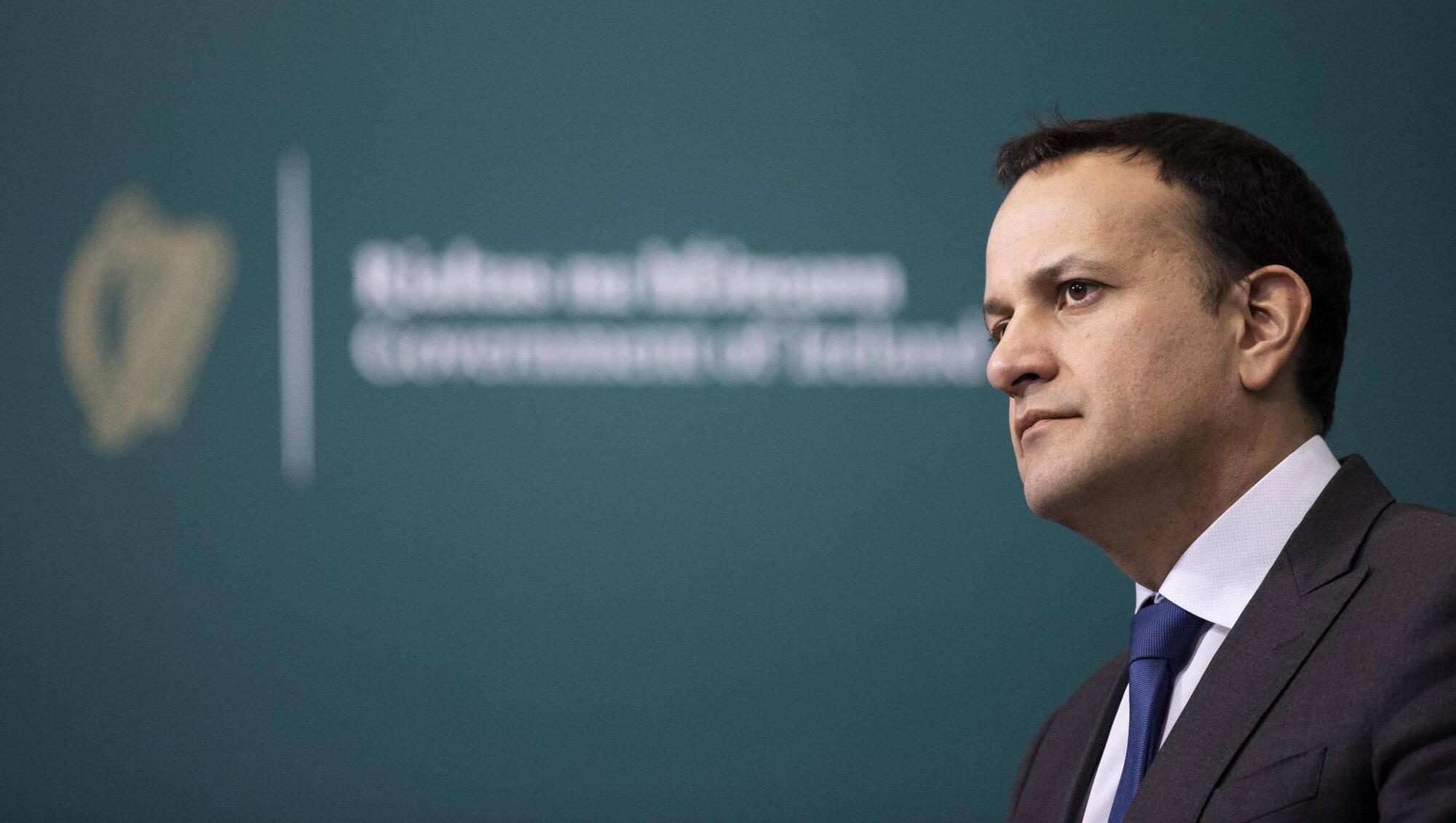
Hopefully, Tánaiste Leo Varadkar’s promise of “additional freedoms” for the vaccinated will not fall into that category. He confirmed the Government is developing a “digital green certificate vaccine pass” for people to prove they have been fully inoculated. He said the State’s vaccination programme was set to accelerate in the coming weeks, promising: “We’re going to surprise you.”
This is all cheering, even if it requires some faith to embrace fully. That faith has already been stretched by delayed vaccination delivery to this country. The Government must know that unrealised promises undermine confidence and solidarity. Mr Varadkar knows this only too well, so it must be assumed his promises are plausible. Let’s hope so, we can do little more at this moment.

Subscribe to access all of the Irish Examiner.
Try unlimited access from only €1.50 a week
Already a subscriber? Sign in
CONNECT WITH US TODAY
Be the first to know the latest news and updates