Irish Examiner view: Cork Harbour has potential to be a wind sector hub
We need to change generations-old habits to address climate change now
Irish Examiner view: Cork Harbour has potential to be a wind sector hub

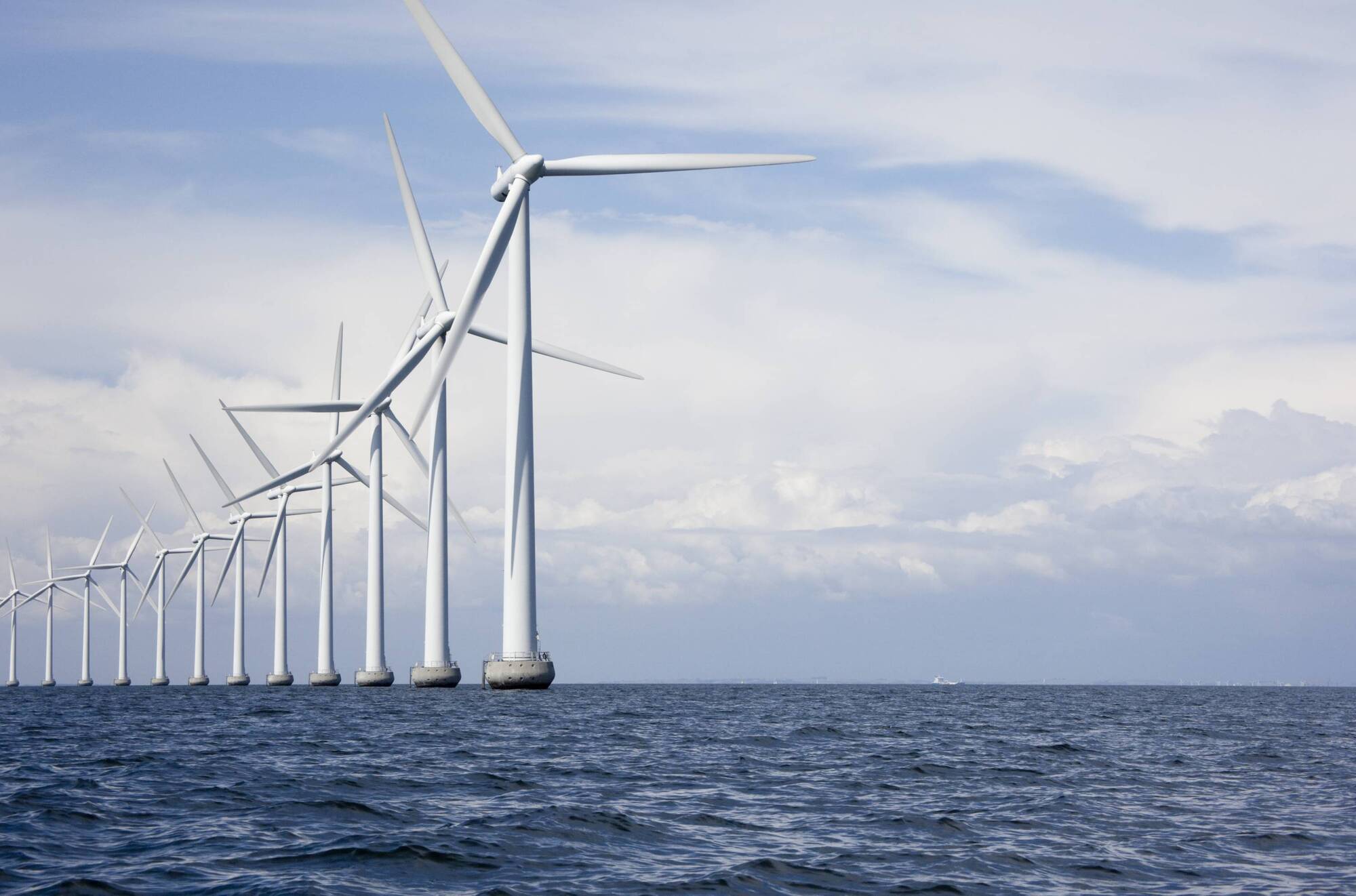
Off shore windmills just outside Copenhagen, Denmark

The future is pretty much indifferent to us, it will arrive and though we may try to shape it we do not always succeed. “The best laid schemes o’ mice an’ men, Gang aft a-gley” and all that. 

One of the issues that will define how we meet the future is our capacity to cut carbon emissions and avert climate change. Changing generations-old habits is central to that evolution. 

Every society responds in ways that mirror its core beliefs. Last year, 140,486 Americans bought a Dodge Ram pick-up, some of which have a 5.7-litre engine. 

Hardly a woke commitment to greener future. Changing those unsustainable habits will be very difficult especially as Americans are not alone.

Change comes with a price tag too. 

British voices advocating a switch to offshore wind for renewable, clean energy are probably dismayed that will mean a windfall of up to €10bn a year for Queen Elizabeth II and the treasury. Around €1bn of that will go straight to the queen as she “owns” much of Britain’s seabed. 

We are all indeed in this climate crisis together.

Denmark has faced that challenge differently. That country last week took a majority stake in a €30bn artificial “energy island”, to be built 80km offshore. 

The North Sea island west of the Jutland peninsula will initially supply 3m households with green energy, many more in time.

A new report with contributions from myriad agencies, private and public, describes a role for Cork Harbour as a hub for similar developments in the Celtic Sea.

Revolution

Recognising that offshore wind is reordering the global energy infrastructure through an annual growth rate of 19% and that decarbonisation obligations make innovation urgent, Cork Harbour is being transformed into an offshore renewables hub by €200m in private sector investment. Much more is planned.

This revolution is made possible by accelerating developments in floating foundation technology — as the Danish project shows. That floating foundations can be used in waters up to 1,000m deep has opened multiple possibilities and many new markets. 

Floating wind also addresses one of the unattractive consequences of early, land-based wind farms as they do not impinge on local communities.

Government decisions are required in coming months to ensure Celtic Sea projects, including floating wind projects, will be prioritised to meet the target of 5GW of offshore wind by 2030.

This means ending the limitations of bottom-fixed projects and strengthening the harbour’s prospects of being a major offshore wind centre, thus delivering jobs and economic value that would deliver.

Far-reaching decision

Half a century ago, the IDA designated Cork’s lower harbour as a hub for Ireland’s nascent pharmaceutical sector. That far-seeing decision had enormous benefits, and it continues to do so today. 

That created enormous opportunity and affluence in the region. Imminent decisions around wind energy are as important, maybe even more so as they would not only help kick-start a post-pandemic economy, create jobs, they would help Ireland meet the greatest challenge of our time. 

This report describes an opportunity too good to miss and far too important not to enthusiastically support.

x

More in this section

Revoiced

Newsletter

Sign up to the best reads of the week from irishexaminer.com selected just for you.

Cookie Policy Privacy Policy Brand Safety FAQ Help Contact Us Terms and Conditions

© Examiner Echo Group Limited