Time for some pay restraint at the top
No capitalist economy has yet organised for itself arrangements that ensure labour market wages are perceived universally as fair; as day follows night, there will always be a class of workers convinced that their pay — or, for the managerial classes, salary — does not reward sufficiently the value of their labour, and that another group is laughing all the way to the bank clutching needlessly generous remuneration packages.

Time for some pay restraint at the top

No capitalist economy has yet organised for itself arrangements that ensure labour market wages are perceived universally as fair; as day follows night, there will always be a class of workers convinced that their pay — or, for the managerial classes, salary — does not reward sufficiently the value of their labour, and that another group is laughing all the way to the bank clutching needlessly generous remuneration packages.

From street cleaners and soldiers to nurses, bus drivers, and pilots, it’s an unending and often valid cry. In a market economy such as ours, there is just one, albeit imperfect, way in which perceptions of unfairness can be improved: Self-restraint by those who uniquely have the power to fix their own salaries and those of others in the higher executive echelons.

Prudent as ever in the management of the country’s finances, our Government has reluctantly agreed to increase the pay of army, navy, and air corps personnel. Most members of these services will get increases ranging from €602-€675 a year.

Whether or not these unimpressive awards will improve recruitment and retention — as the Taoiseach hopes they will — remains to be seen. Meanwhile, the one area of public spending that has dodged scrutiny by finance ministry bean counters is the money paid in salaries and expenses to and happily accepted by most of our elected politicians and some of our senior officials, one of them being the governor of the Central Bank of Ireland (CBI).

That’s a very important office, although, given the superior role in the single currency area of the European Central Bank, it’s by no means as significant as it used to be.

Soldiers, sailors, and air crews might be surprised, as they spend some of their magnificent pay increases on a celebratory drink, to learn that the annual salary of our Central Bank governor is €286,790, and that it’s more than somewhat higher than that paid to his counterpart in Washington DC, where the chairman of the US Federal Reserve gets €180,436.

This is not to argue that the chairman of the Fed — managing an awesomely large economy — is underpaid. It’s to suggest that the rate for the CBI job is excessively generous.

Can TDs and senators — on basic annual salaries of €94,535 and €66,940 respectively — do something to encourage pay restraint at the upper reaches of our society?

Could they set an example, such as asking for a slimmed-down pay scale and, perhaps, by refusing to take advantage of an allowance system that, as revealed this week, allows TDs to reclaim from taxpayers the money they spend on public relations, the purpose of which in the main is to tell taxpayers how wonderful TDs are?

Why should Oireachtas members be permitted to reclaim the costs of “policy formation meetings”? Aren’t such tasks among the things for which they get a basic salary?

An argument put up in defence of telephone number salaries is that it’s all about market rates; that big money is necessary to make the job attractive to applicants. Since when, however, has there ever been a shortage of candidates, of all parties and none, for Oireachtas seats?

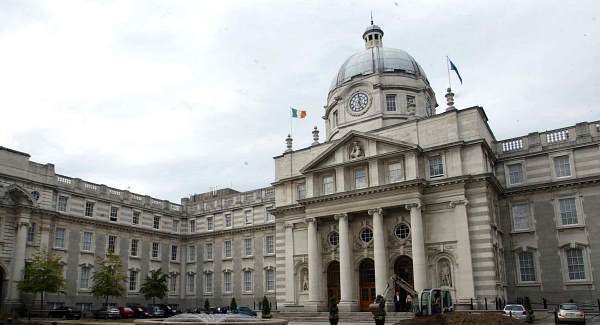
That’s a question street cleaners, soldiers, nurses, and bus drivers might want to ask the people they employ in Leinster House.

More in this section

Revoiced

Newsletter

Had a busy week? Sign up for some of the best reads from the week gone by. Selected just for you.

Cookie Policy Privacy Policy Brand Safety FAQ Help Contact Us Terms and Conditions

© Examiner Echo Group Limited