Extremes suggest we must act more quickly
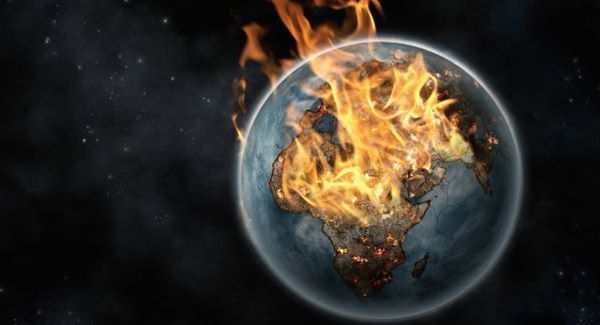
A record temperature was recorded in France yesterday when, in Carpentras, in the south-eastern Vaucluse département, the mercury hit 44.3C, breaking the previous record of 44.1C set in Montpellier and Nîmes in August 2003. However, Meteo-France did not expect that record to last the day. It was “very probable” it would be beaten again.
“[The temperature] will continue to climb and, in some places, we could pass 44C,” the service warned.
In Andalucía in Spain, a 17-year-old boy died from heatstroke after he had convulsions when he jumped a swimming pool to cool down. An 80-year-old man died on Thursday after collapsing in Valladolid. In Chennai, on the Bay of Bengal where 49 people died of heat-related issues last Saturday, people queue for drinking water because of severe drought.
We have become almost inured to extreme weather events in the face on one climate implosion or another and in a strange way this may lull us into a false sense of security on climate collapse. That would be unwise. This year’s weather is chillingly in line with scientists’ predictions of rising temperatures, more heatwaves, and prolonged droughts interspersed with heavy flooding in some regions.
Confronting this unavoidable issue will be far more challenging than surviving a heatwave on France or drought in Chennai but confront it we must, preferably before it is too late, a point we may reach far sooner than we think.