Niki Lauda dies aged 70: Inspirational exceptionalism
The idea that we are all born equal is more a comfort than a truth; we may wish it were so, but in terms of capacity, in terms of talent and potential, fate laughs at that idea every day.
We pursue, celebrate, and reward exceptionalism spectacularly in the arts, in entertainment, in business, and in politics. However, professional sport seems no more than the organised pursuit of exceptionalism.
That exceptionalism is built on talent and hard work, but without courage and resilience in the face of disaster, even the most gifted fade into beige normality.
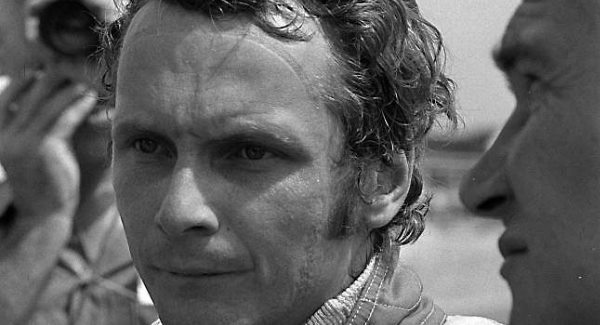
Niki Lauda, who died aged 70 yesterday, did not fade when his great challenge came — rather he soared. A three-time Formula 1 world champion, he was involved in an inferno-grade crash at the German Grand Prix at the fearsome Nurburgring in 1976. Lauda suffered third-degree burns to his head and face that scarred him for life.
He inhaled toxic gases and received the last rites in hospital. Yet, 40 days later he returned to racing. The Austrian was also a successful businessman, setting up two airlines.
It can be bewildering to try to make sense of the rewards available in professional sport, but occasionally someone shows why that is the case. Lauda was such a case, especially as his greatest lesson was one of character rather than of talent realised, making it one we can all try to absorb no matter how very average — and hence, equal — most of us are.