Sidelined May seems a sorry, broken figure
In a little over three months, on June 28, the centenary of the signing of the Treaty of Versailles will be marked, though hardly celebrated. Britain, through prime minister David Llyod George, was a signatory to an agreement that followed WWI but made WWII all but inevitable. Britain’s place as a world superpower was certain, though that power was often misused. Next month — April 13 — marks the centenary of the Amritsar Massacre when British troops killed 379 Sikhs during a peaceful demonstration.
As if to confirm Britain’s imperial self-belief, the short Third Anglo-Afghan War began the following month. It ended that August with the Treaty of Rawalpindi. Britannia was a player, a force to be reckoned with — as our forefathers knew only too well.
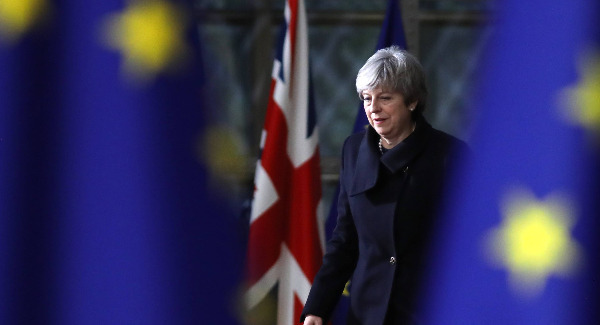
This week, Llyod George’s successor, Theresa May waited, a humiliated supplicant in a side room while EU leaders discussed terms to facilitate the extension of article 50. May had sought a departure date of June 30 but she had to settle for 39 days fewer, until May 22 — and that date only stands if the House of Commons ratifies a reheated deal it has rejected twice. Should the Commons reject whatever package May offers it over the coming days, April 12 becomes the new
cut-off date. When asked what might happen in that event, May had no Plan B, not even a sketch of one, to offer.
It is impossible to imagine that Lloyd George, or the majority of his successors, would have waited in an antechamber while such important issues were in play.
To paraphrase another May predecessor: “The lady is not for sidelining”. But then, May has done many things, encouraged many strident fantasists that her predecesors would not, should not have. This exclusion from the EU decision-making process is the normal power relationship between a third country and Europe, as the Brexit vote decrees, Britain must get used to it.
May’s banishment is as symbolic as it was sad. It sends a message, with little or no wriggle room, to the House of Commons — if you want to leave in an orderly way with a deal, vote for a deal, and, if you are deluded enough to leave without a deal, don’t blame the EU and be prepared to face a new, very difficult reality. Simple really.
The unspoken message is that the EU’s leaders have lost faith in May’s capacity to play the great game. Her blind plodding is draining away whatever goodwill remains towards Britain. She has, like her counterpart in the DUP, shown herself unable to join the dots in this high-stakes negotiation. And as we have had to understand, what high stakes they are. In the context of today’s great game — it never ends — of all moments in recent history, this is not the time for division among democracies. From an Irish perspective, the prospect of huge economic disruption cannot be discounted either.
But what to do? As the third anniversary of the Brexit vote comes into view the adventure seems if anything more confused, more complicated than ever. One thing seems certain though. When it comes to mark the centenary of the first Remembrance Day, on November 1, Theresa May will hardly be master of ceremonies. Which raises another chilling question — who will? Frying pan, fire etc.
CONNECT WITH US TODAY



Be the first to know the latest news and updates