Overconfidence is Higgins’s worst enemy
Over recent years the presumptions of the powerful have been rejected in spectacular ways by discontented voters.
The let-them-eat-cake hubris of convention has been usurped by scattergun protest voting, often with unimagined consequences.
The election of Donald Trump and the Brexit vote are obvious and disruptive examples of this democratically expressed ingratitude.
The list of countries that rejected, or at least rattled electoral expectation grew after the economic collapse of a decade ago.
The ever-widening gap between rich and poor; growing insecurity because of the changing nature of work; and, most especially, the blocking off of the traditional path from job to family to eventually buying a home by a culture that has beatified the profit motive have stoked growing, justified disenchantment with the familiar.
On mainland Europe, conflict over immigration exacerbates this changing relationship between the rulers and the ruled.
The strengthening impression that democracy hadbecome almost irrelevant in many lives drives this too.
This very valid criticism is undermining the EU, which, despite everything, remains a stabilising, enriching force and far, far more attractive than any alternative.
In the context of next month’s presidential election, thisdynamic raises unavoidable questions that, unless they can be answered with certainty, and they cannot, should be a cause for concern for Fine Gael, Fianna Fáil, and the imploding Labour Party.
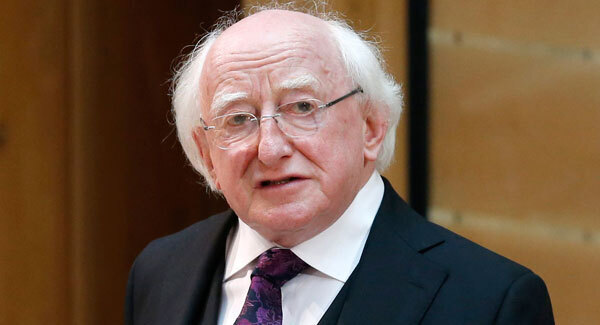
Those parties have, in a consensus more comfortable than reassuring, agreed to nominate President Michael D Higgins to run for a second term.
This pact has been concluded as if Ireland was immune to the dynamic of discontent that has defied opinion poll after opinion poll and returned results unforeseen in any crystal ball.
This momentum is indifferent to an individual’s record, which, in President Higgins’s case, has been almost beyond reproach.
Just as the entirely plausible idea of water charges was rejected after a bitter campaign that had little if anything to do with water charges, the incumbent’s record may not be enough to assure his re-election.
It may seem unnecessarily worrisome to even ask these questions when President Higgins enjoys an almost unprecedented opinion poll lead.
A recent poll put him at 65%, some 54 points ahead of his nearest rivals. It must be of some concern that one of those is Seán Gallagher who, before Martina McGuinness’ explosive intervention in the last presidential race, was a very realistic contender.
It must cause some concern. Some 11% of those surveyed said they would vote for an as-yet-unnamed Sinn Féin candidate. We are still at the phoney war stage; some of President Higgins’s serious rivals, and there will be some, have yet to fully engage with the campaign.
The cross-party agreement seems to anticipate a coronation. That may transpire but it would be more than foolish to ignore the evidence.
Just 12 days before the last White House election, one poll had Hillary Clinton ahead by 14 points.
Overconfidence and the elephant in the room — President Higgins’s age — have the potential to make this another election where expectations and convention stand for nought.

CONNECT WITH US TODAY



Be the first to know the latest news and updates