Preventing radicalisation: Double-edged sword
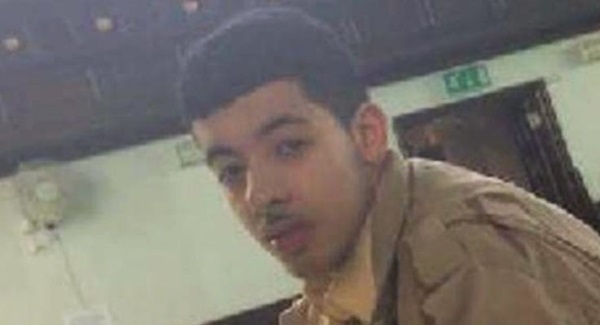
It’s just over a year since suicide bomber Salman Ramadan Abedi, a 22-year-old local man, murdered 23 people at an Ariana Grande concert in the Manchester Arena.
It was an act of terrorism, just as the IRA bombings in that city in 1996 and 1992 were. Abedi had been radicalised in Manchester, a process copper-fastened on a visit to Libya, his family’s country of origin.
A report on EU-wide measures to counter radicalisation, published by the European Court of Auditors yesterday,
detailed shortfalls in co-ordination and evaluation in the process.
The auditors warned that the commission cannot demonstrate how effective EU-funded counter-radicalisation programmes are.
Understanding this brainwashing better so it might be foiled is urgent as the majority of suspects involved in terrorist attacks in Europe were radicalised European citizens.
Their exploitation, if it leads to terrorism or criminal activity, fuels the domestic radicalisation of extreme right-wing groups, so it really is a double-edged sword.
Ireland has been spared the nihilism of imported radicalisation — we have had more than enough trouble with home-grown terrorists — but that does not mean we can afford to be less than vigilant.
After all, for every hero such as Mamoudou Gassama, a heroic Malian immigrant who risked his life to save a Paris toddler, there may be another Salman Ramadan Abedi exploited by those who would destroy us.