Building a fairer society - A never-ending social challenge
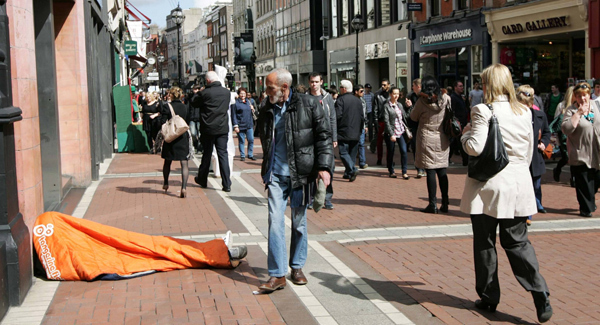
Social Justice Ireland yesterday suggested that the Government needs to increase taxes by €3bn to fund a fair and equal society. That would be a 6% increase on the €50.7bn collected last year, €13.1bn of which was paid as income tax.
Despite the lobby’s emphasis on new or higher taxes on corporations and rich individuals — anyone earning over €125,000, by their reckoning — no Irish Government would survive such an imposition.
Our irrational system — low taxes, but Scandinavian ambitions for social services — makes any reform of the tax system at best problematic, certainly politically. The OECD has expressed this dichotomy, pointing out that the tax the State collects as a proportion of economic output — GDP -— is third lowest out of 34 OECD countries. This supports the SJI argument, but tweaking it to drive the change SJI aspires to is far more easily said than done.
SJI also suggests moving to eco-taxes on fuel and fertilisers, waste taxes, and a land-rent tax to avert any negative impact on people with low incomes, despite the fact that Irish low-earners pay a fraction of the tax paid by their EU peers.
The idea of an equitable society is a noble one, deserving of great effort and a far better division of resources, but how to do that without killing the goose that lays the golden egg is an eternal challenge. This is another defining instance when we must decide whether we are closer to Berlin or Boston.

CONNECT WITH US TODAY



Be the first to know the latest news and updates