A wake-up call? Microsoft’s global outage and our interconnected world
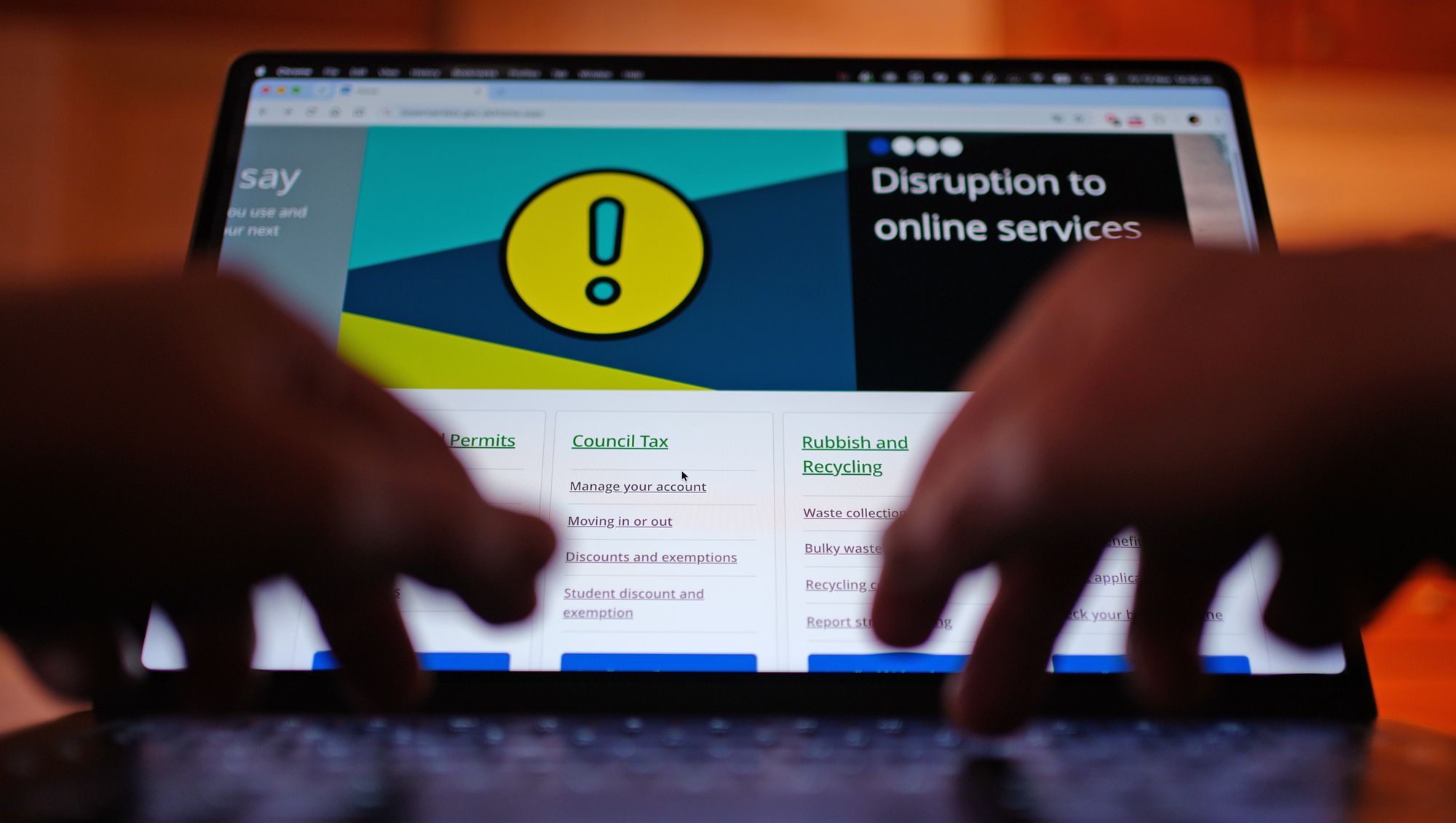
The impacts of the recent Microsoft global outage are an excellent example of the cyber-energy-production plexus.
Humanity has reached a crisis point, or a threshold moment, in which the world as we knew it is being replaced by an unknown, uncertain and extremely volatile future.
This is not another piece on Generative AI (GenAI). GenAI has major limitations and there are important threats, but this is nothing compared to the current crisis point. One of the problems is that the current crisis point provides GenAI with an entry point to a system of systems that can be too easily disrupted.
The impacts of the recent Microsoft global outage are an excellent example of the cyber-energy-production plexus. Another example is the supermarket fridge hacking incident that occurred earlier this month and which was experienced across seven European countries.
Most people living on this planet are now linked in multiple ways to the cyber-energy-production plexus. This term describes the multiple linkages that have formed between the internet and critical infrastructures.
These infrastructures include anything that is connected to the internet and in which limited attention has been given to contingency or back-up systems.
Read More
Anyone, or any company, who is too dependent on devices that are part of the ever-evolving internet-of-things is exposed to this plexus. But exposure includes access to energy, water, food, money and information of all sorts.
A plexus is a structure consisting of a network of networks that are closely interwoven, intercommunicating, and coupled; any alteration within a plexus has the potential to ricochet throughout the structure producing unexpected consequences.
A failure in a server, or a cyber-attack on part of the plexus, can ricochet across the plexus. We are all experiencing a recent intensification in plexus-related outages. We are yet to experience a major outage in which the plexus fails for an extended period.
For some countries, it is too late. All residents are now too exposed to the plexus. The UK is an excellent example as on January 31, 2027, the UK will switch off its copper landline network, and the replacement communication system is hardwired into the plexus.
Here lies foolishness; the legacy network provided an important alternative communication system to that linked to the internet.
For all living on this planet, an increasing question concerns their degree of exposure to the plexus and the existence of alternative sources of provision. Imagine a two-week period without the plexus.
There would be no online banking, no ability to use credit or debit cards or even to obtain money from banks, no electricity, no smartphones, and limited mobility. There would be major supply chain disruptions with supermarkets, and other food providers, unable to maintain sources of supply.
Blue light services — such as police, fire, ambulance, coastguard, mountain rescue — would be unable to function or have restricted functionality. It would be impossible to avoid a breakdown in social order. How would you survive?
Alternatively, those running businesses need to consider a complete plexus outage. How would your business survive? The only options are, first, to limit exposure to the plexus.
For example, I avoid purchasing technologies that must be connected to the internet, and which can only operate whilst having access to the plexus. However, even such air-gapped technologies provide limited contingency in the event of a major plexus outage.
Second, consider alternatives to the plexus. Do you have back-ups in place, or alternatives? This could include having two mobile phones that are connected to two different service providers and make sure that they do not share any aspects of their respective networks.
This provides some limited contingency. Have accounts in two banks and make sure that they are not part of the same banking group. Do maintain appropriate supplies of essential resources.
All schools must provide training on risk assessment and risk mitigation as this relates to the plexus. Every household should identify key risks, likelihoods, impacts and appropriate actions.
For those living on welfare, note that in an event of a major plexus failure that the government will be unable to maintain continuity of provision and there will be no ability to communicate with government.
At a national level, it is important that all governments ensure that there are systems in place that are isolated from the plexus. A key essential infrastructure will be non-internet-related radio.
When there is a major plexus failure, then all that one can do is work around this failure. This includes a return to non-plexus related activities like walking, reading and conversation. Of course, cooking will be challenging given the absence of water, electricity and gas.
One of the problems that too many of us face is that we are governed by politicians who are too focused on the distractions of the immediate. We need politicians who can take the long view and who really understand the risks that we are all exposed to.
The key issue for all to remember is that disruptions to the plexus have become ordinary everyday experiences. We all need to live with these disruptions.
- John Bryson is Professor of Enterprise and Economic Geography, University of Birmingham

BLACK FRIDAY
Already a subscriber? Sign in

CONNECT WITH US TODAY



Be the first to know the latest news and updates