Approved Housing Bodies need support to house more people
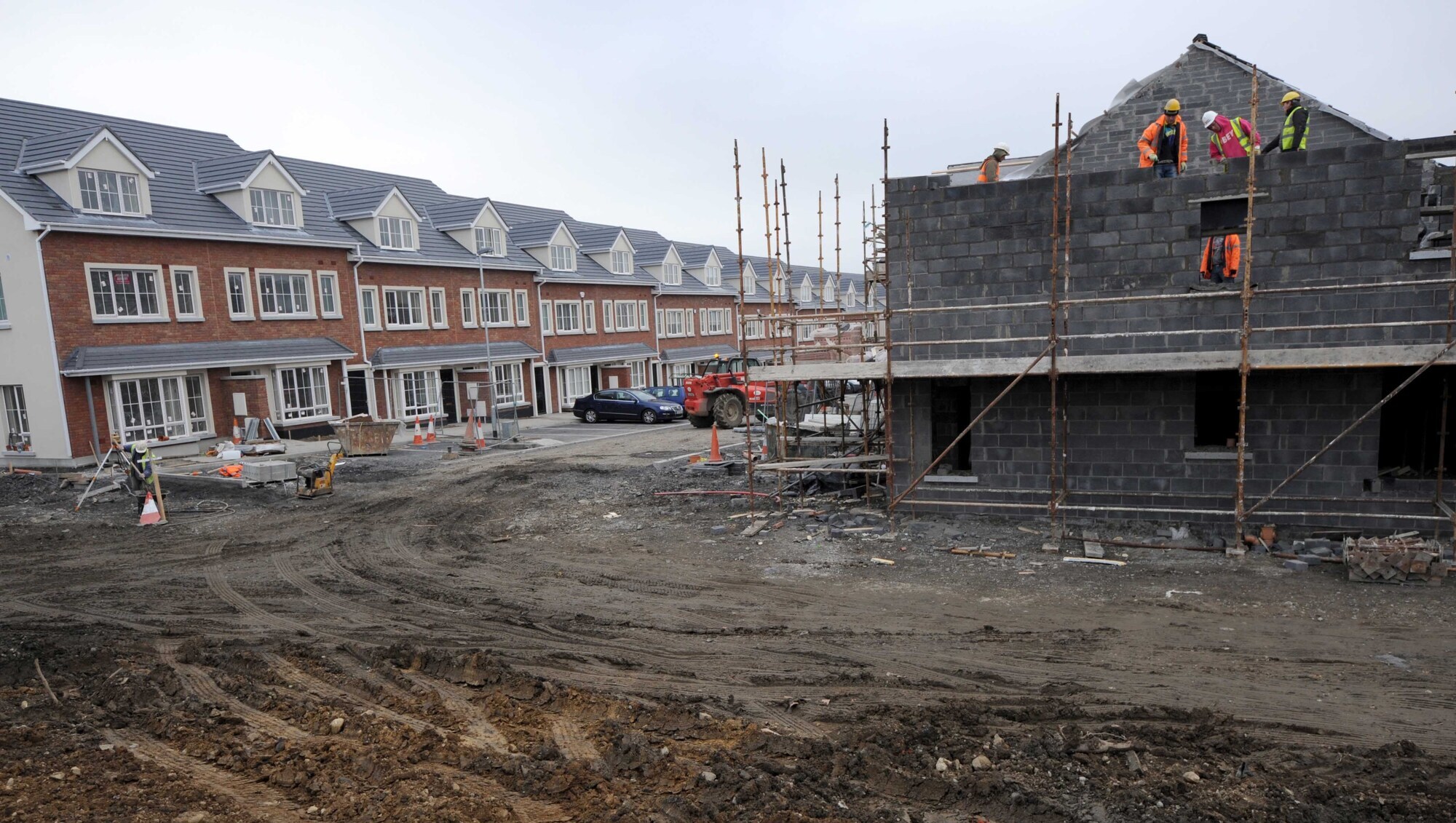
In 2025, AHBs delivered their highest number of new social and affordable housing with 7,005 homes provided. File photo: Laura Hutton/RollingNews.ie
Since 2020, Approved Housing Bodies (AHBs) have delivered up to 35,000 houses. And while that’s good news, we now need to look to the future.
What does social and affordable housing need to look like? How do we reflect society's needs? And how do we finance it?
In 2025, AHBs delivered their highest number of new social and affordable housing with 7,005 homes provided. This record output was achieved with support from a myriad of key partners in the public and private sectors who provided funding, sites and tenants from local authority waiting lists.
However, despite record AHB delivery, more still needs to be done in terms of funding schemes such as Capital Advance Leasing Finance (CALF) to support homes for specialist groups in greater numbers since people with disabilities, older people, and homeless households have seen their housing need increased in recent years.
We don’t want a fast and slow lane for social housing delivery depending what group you are part of and Government funding schemes are central to addressing that imbalance to ensure all groups on the housing waiting lists are accommodated.
Read More
The 10th Irish Council for Social Housing (ICSH) Finance and Development Conference rolled into Little Island in Cork last week to plan for continued delivery of new social and affordable housing up until 2030 and beyond.
It was established in the aftermath of the previous housing crash in 2008, with the intention of exploring new financial models to ensure the financing of social and affordable housing is sustainable in the long term. The question is what has changed?
One key factor in the aftermath of the housing crash was that AHBs were able to react quickly to the new funding environment, which had a greater focus on borrowing long-term finance to provide homes with Government support. This would be a typical method to provide social housing throughout the EU.
Equity finance and financial models for supporting direct construction for social and affordable houses are also key approaches for the long-term sustainability, management and maintenance of homes for future generations.
The housing crisis would have been much worse without recent robust AHB delivery. So it is unhelpful to pit social and affordable housing against private housing: all housing needs must be addressed.

Significant exchequer funding has been used to help deliver these new and sometimes re-purposed AHB homes, which have had a significant social and environmental impact. Families and vulnerable people have been housed and have had opportunities for new life chances.
New communities — including mixed-tenure communities — have emerged as mainstream. Highly energy efficient homes have been delivered to reduce fuel poverty for tenants. AHBs have also led on the new cost-rental tenure providing middle-income households with more affordable rents.
I believe there has been a measurable financial and social return to the State in investing in the AHB sector, which has responded with the actual delivery of homes and a robust delivery pipeline.
Alongside all these new changes for a burgeoning AHB sector has been the introduction of a new statutory regulatory framework in recent years to ensure greater oversight of the AHB sector and continued public confidence. This is now a central part of the AHB sector plans.
There are still challenges in the delivery of social and affordable housing.
Funding schemes must take account of changing market conditions, such as mixed tenure. The growing AHB sector cannot do everything alone and relies on key willing and engaged partners at national and local level.
However, the new financing arrangements over the last decade have meant that the AHB sector has built up capacity and expertise to deliver more homes and this should be built on over the coming years in the new local authority social and affordable housing development action plans (HDAPs).
The AHB sector is on course to have over 100,000 social and affordable homes in its housing stock by 2030 with long-term sustainable homes for people in housing need. Supporting AHBs to achieve this will have huge long-term benefit.
- Donal McManus is CEO of the Irish Council For Social Housing

BLACK FRIDAY
Already a subscriber? Sign in

CONNECT WITH US TODAY



Be the first to know the latest news and updates