COP31 has many issues to resolve but recent events provide hope
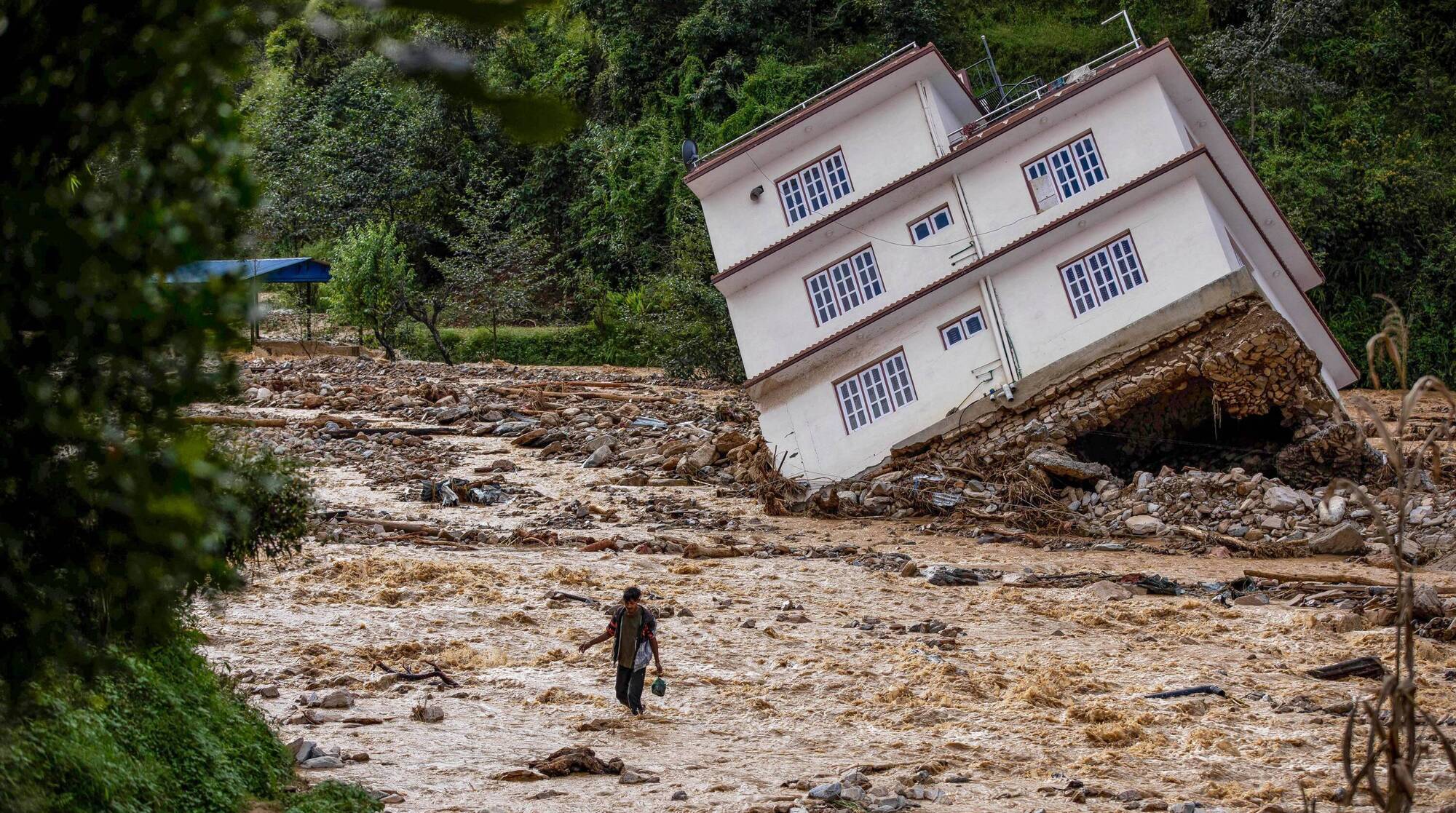
A man wades through the flood waters after monsoon flooding in Nepal last September. Photo: Prabin Ranabhat/AFP via Getty Images
The UN’s key climate summit COP31 comes at a critical and “difficult” juncture for the world.
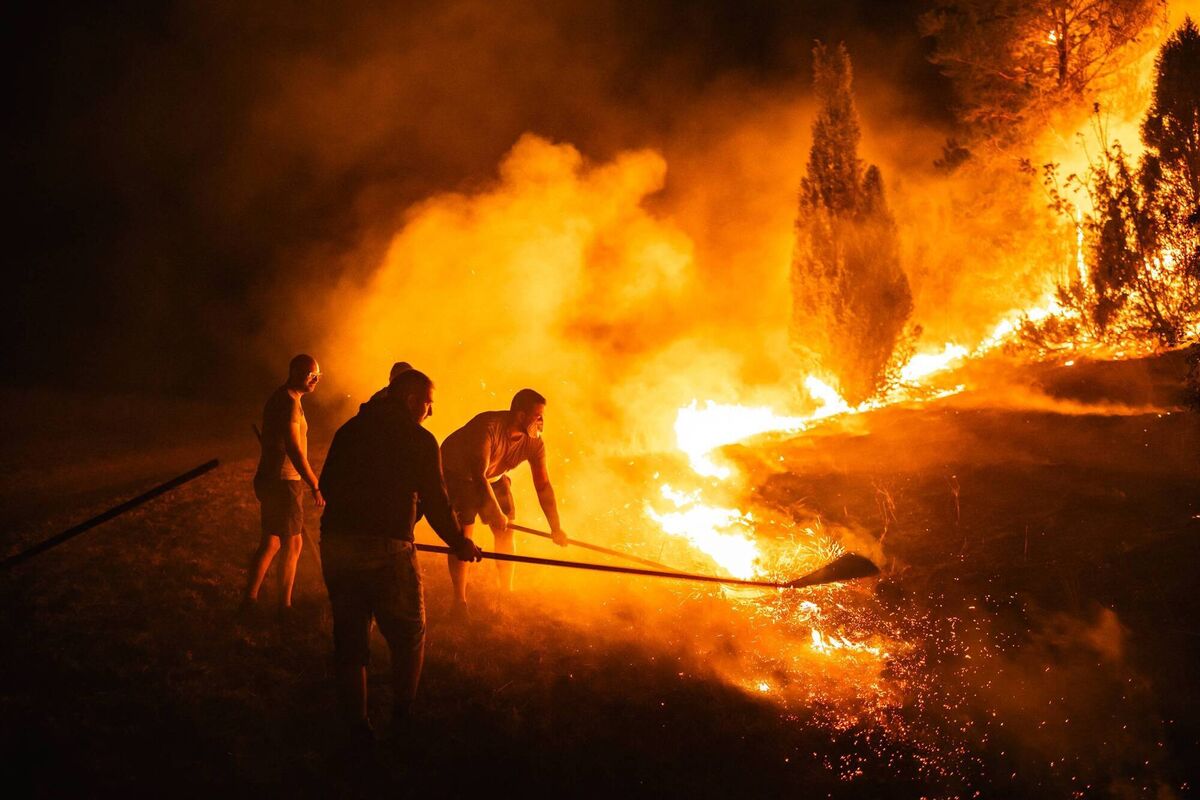
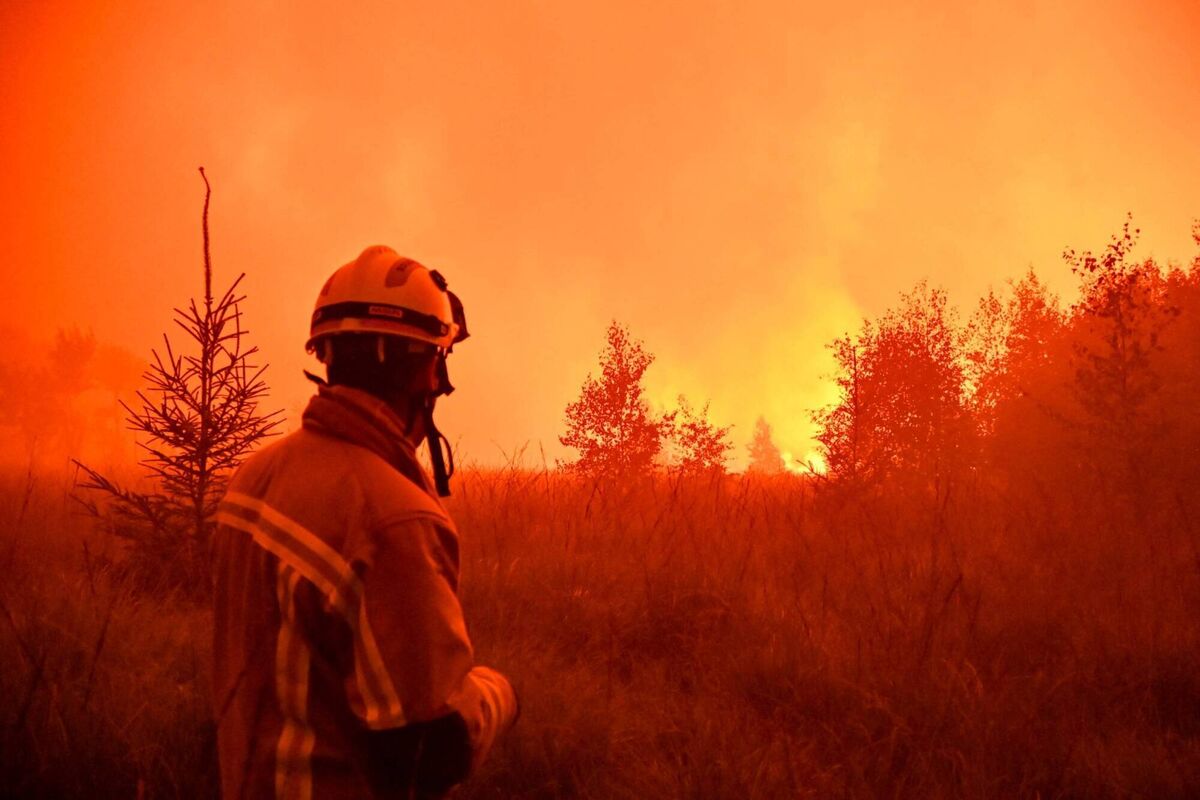
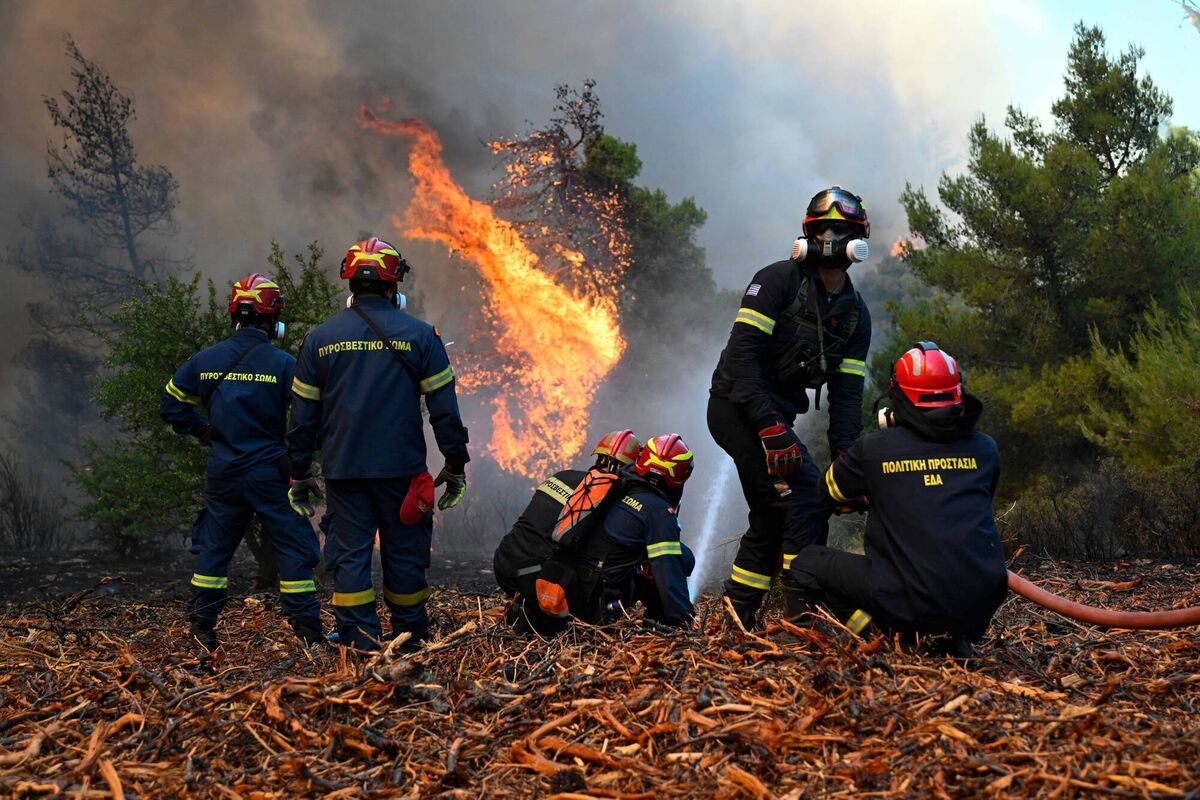
The energy crisis sparked by a squeezed Strait of Hormuz continues to put pressure on households, while apocalyptic wildfires across Europe and horrific floods in Nepal, prompted by a glacier collapse, killed civilians and destroyed homes.
At the same time, there is hope.
A historic election win in Brazil sees the Amazon rainforest saved from further exploitation and a blue tsunami delivered a bruising blow to Donald Trump, an arch critic of climate action — proving that seemingly insurmountable tides can be turned.
Goran Dominioni, assistant professor in environmental law at DCU, said the mammoth win for the Democrats in US midterms creates “a much more favourable environment compared to what we had a few days ago”.
It can create "momentum” at COP, he said. “Last year many people wondered whether other countries would show up to COP, but they did and it showed the resilience of the process.
Read More
“It was a signal that, regardless of Trump’s stance on climate, this process continued.”
The climate gathering, where joint decisions are negotiated by consensus among almost 200 countries, is being hosted in Türkiye this year.
A pre-COP event was held in Fiji to raise awareness of the plight of small island nations staring down the barrel of rising sea levels; Fijian climate minister Lynda Tabuya asked attendees during an emotional closing address to “carry something of the Pacific with you”.
Electrification, climate finance and confirmation that the world will miss a key temperature limit of 1.5C are expected to feature heavily over the next fortnight, as the host of this year’s summit pledged to “turn the commitments of past COPs into real results”.
“We do not need new targets. We need to deliver on the ones we have, with developed countries taking the lead,” COP31 president-designate and Turkish environment minister Murat Kurum said.
The Turkish presidency's goal of "35 by 35" pushes for electricity's share of final energy demand to increase to 35% by 2035, with the EU's targets aiming for 46% by 2040.
As more public transport and home heating systems become electrified in Europe, and demands increase from data centres, there will be discussions among leaders, businesses and experts on how to boost clean electricity generation, storage and grid capacity.
Talks such as "making AI infrastructure sustainable" will resonate in Ireland, where almost a quarter of Ireland’s energy usage is by data centres, and which pose “a significant” operational and security risk to the grid if a fault occurs and data centres quickly switch to their back-up supplies.
The conference will also feature discussions on the 1.5 degrees limit overshoot, with 1.8 degrees the most optimistic scenario now.
Faster sea level rise, an increased risk of ecosystem collapse, more extreme heat and wildfires, and changes to ice sheets, sea ice and glaciers are now all greater risks.
A related topic will be limp progress on climate finance, and on a pledge made at COP29 in Azerbaijan to triple climate adaptation funds offered by rich countries to developing countries to $300 billion a year by 2035.
Efforts are expected to be made to provide clarity on how to progress that fund, particularly after a UN report published last week estimated that the climate adaptation funds needed by 2035 was closer to $420 billion when inflation is included — the latest figures available show that in 2024, just $30 billion was allocated for such measures.
This stings even more as the populations who have contributed the least to global emissions are facing the most extreme effects of climate change, including crop failures, droughts and flash floods which are forcing people to abandon their homes.
Reducing wasteful activities, including in methane-heavy sectors such as energy, agriculture and waste, will also be discussed.
“Cutting super pollutants can make a big difference; methane is driving global heating at up to 80 times the rate of carbon dioxide,” UN Climate Change Executive Secretary Simon Stiell said.
Ireland is placing an additional emphasis on the key climate event this year as it holds the Presidency of the Council of the EU, which will see it lead negotiations on behalf of the EU at COP31.
“Ireland won’t set the agenda, but it’s a moment where Ireland can hold sway and play to its strengths,” Dr Dominioni said.
“It has a very good relationship with parts of Africa and developing states, so doing that can be used to pull momentum towards particular directions.
“It is a co-ordination event, so to act as a co-ordinator can be an advantage to create consensus and prioritise topics important to the EU agenda.”
Ireland has been called on to use its role at COP to emphasise issues including climate-vulnerable developing countries laden down with debt that hampers their ability to adjust to the climate crisis, and to push the EU to support a clear baseline for the climate adaptation fund and a roadmap that allows progress to be measured.
Christian Aid’s policy and advocacy officer Seán McLoughlin said Ireland could also introduce a fossil fuel phase-out plan and timeline, as major users such as France and Germany had done, which would be more wide ranging than its mooted white paper on decarbonising its electricity system.
Despite Ireland’s enhanced role at this year’s COP, Taoiseach Micheál Martin will not attend due to a clash with the major gathering of EU leaders in Dublin.
The leaders' summit at COP31 takes place this Wednesday and Thursday, while the meeting in Dublin of 50 heads of state and government from across Europe takes place on Thursday.
Climate and environment minister Darragh O'Brien is expected to attend COP during the second week of the conference.
Green Party leader Roderic O'Gorman said it is important to be central to discussions after a year of high energy prices and extreme weather events.
"Given the effect that the energy crisis is having on Irish households, you would expect that the leader of the country would want to be central to discussions about how best to move this nation off its reliance on fossil fuels," he said.
The repeated criticisms of the COP summit are ever-present: that the declarations at the end of the conference are too weak; that there is not enough urgency and there are too many vested interests to make real progress.
Two years ago at the COP held in Baku, the number of delegations from the 10 most climate-vulnerable countries was smaller than the number of fossil fuel lobbyists; COP is now declaring the lobbyists in attendance in a bid to improve transparency.
Three COP presidency letters have failed to mention fossil fuels as the main driver of climate change, which is perhaps unsurprising as Türkiye still relies on coal as its main source of power, while Australia, which will lead negotiations at COP31, is the second-largest coal exporter.
Maynooth University professor John Sweeney said the “failure of COP is self-evident” and that “the problem is unanimity is required” among almost 200 countries which includes oil producing nations.
“Having said that, COP is the only multilateral forum that exists in this area,” he said during an Oireachtas committee appearance.
“Supporting multilateralism is essential if we are to drive any kind of progress in tackling a global problem of this kind. However, it is fair to say that it has failed."
Professor Sweeney said that while COP will likely not deliver the scale of change required, the Irish Government had the opportunity to make a second climate process "more active" — the second Transitioning Away from Fossil Fuels (TAFF) process that Ireland is co-hosting next July with Tuvalu, a Pacific island nation which is mostly just two metres above sea level.
"We can generally assume COP will not come out with the kind of revolutionary changes it has failed to do for 30 years so far."
CLIMATE & SUSTAINABILITY HUB
CONNECT WITH US TODAY



Be the first to know the latest news and updates