Having a child is a radical act of hope, not a pension plan
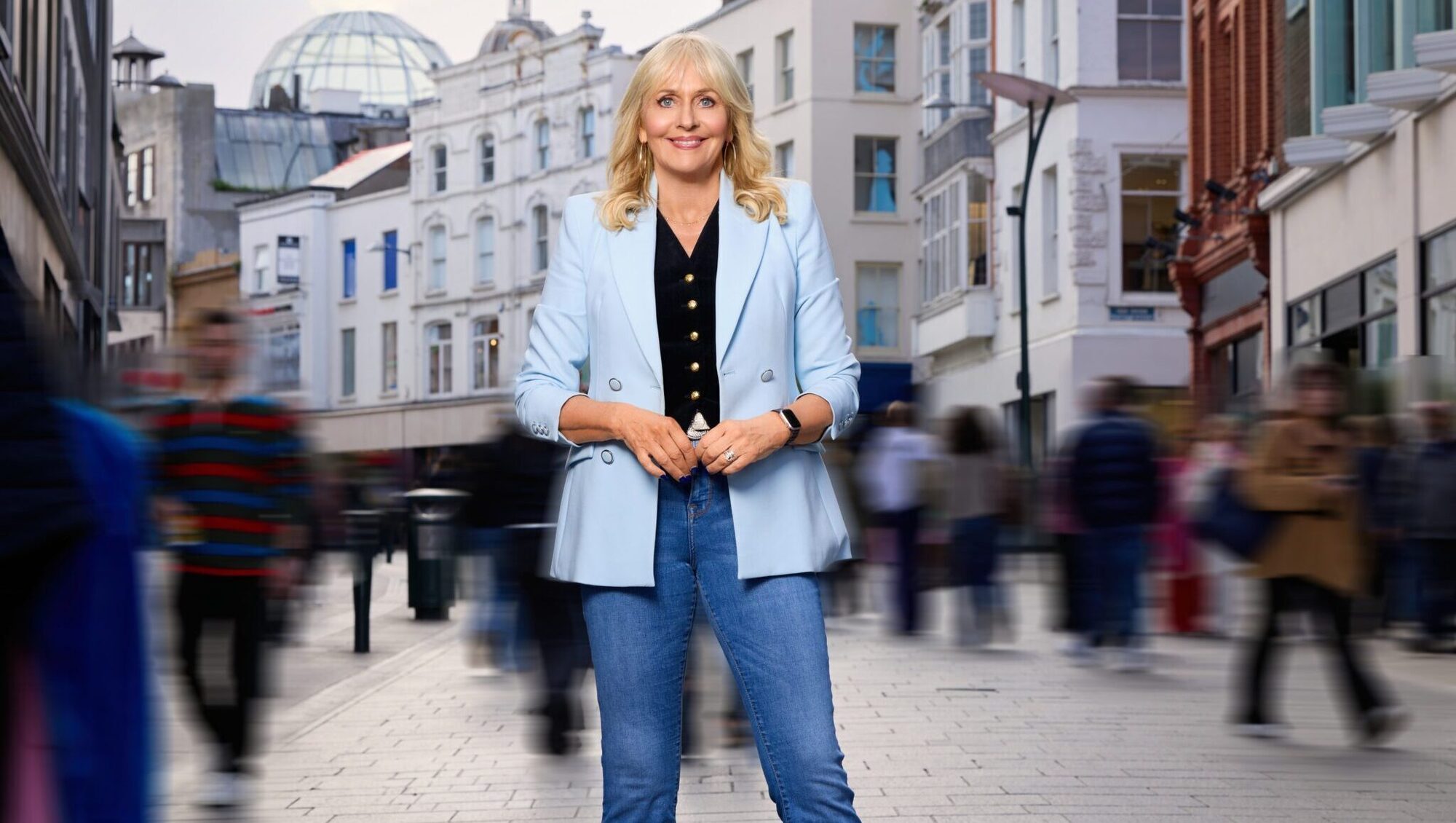
Miriam O'Callaghan examines the impact of Ireland's birth rate decline and ageing population in Population Crash.
November 4 was notable in my house for two joyous events.
The first was the arrival of yet another addition and much longed-for baby girl to the wider clan.
The second, the seizure by the US Democrats of control of the US Congress, capturing the Senate and the House of Representatives in a rejection of Donald Trump’s presidency.
This event renews my optimism in humanity’s ability to win through in the face of even the most ardent challenges.
Global systemic instability, underpinned by political polarisation, economic pressures and the mounting threat of AI all form part of the reason why many look at the modern world with a deep sense of dread and wonder, is it safe to bring a child into the world?
Other threats that add to the angst include mounting climate chaos — that is resulting in extreme weather, scarce resources, and collapsing ecosystems.
All of this compounds global existential guilt — that adding to the population places even more strain on an already overshot planet.
Read More
Miriam O'Callaghan, in her new two-part documentary, , explores parenthood, relationships and Ireland’s population decline; and the question many young couples are asking themselves — is the world too bleak to bring a child into?
I think we are asking the wrong question. The real question is what are the values that children need in order to be able to thrive in a modern world?
Parents are deeply concerned with emerging climate chaos — extreme weather, scarce resources and ecosystem collapse. All of this is compounded by war, pandemics… has the world just become too risky.
Climate chaos is a big concern. The argument is that not having a child saves about 60 tonnes of carbon a year — 20 times more than giving up a car.
Another concern is the economic pressures on young couples who cannot buy a home and see little prospect of realising one in the future.
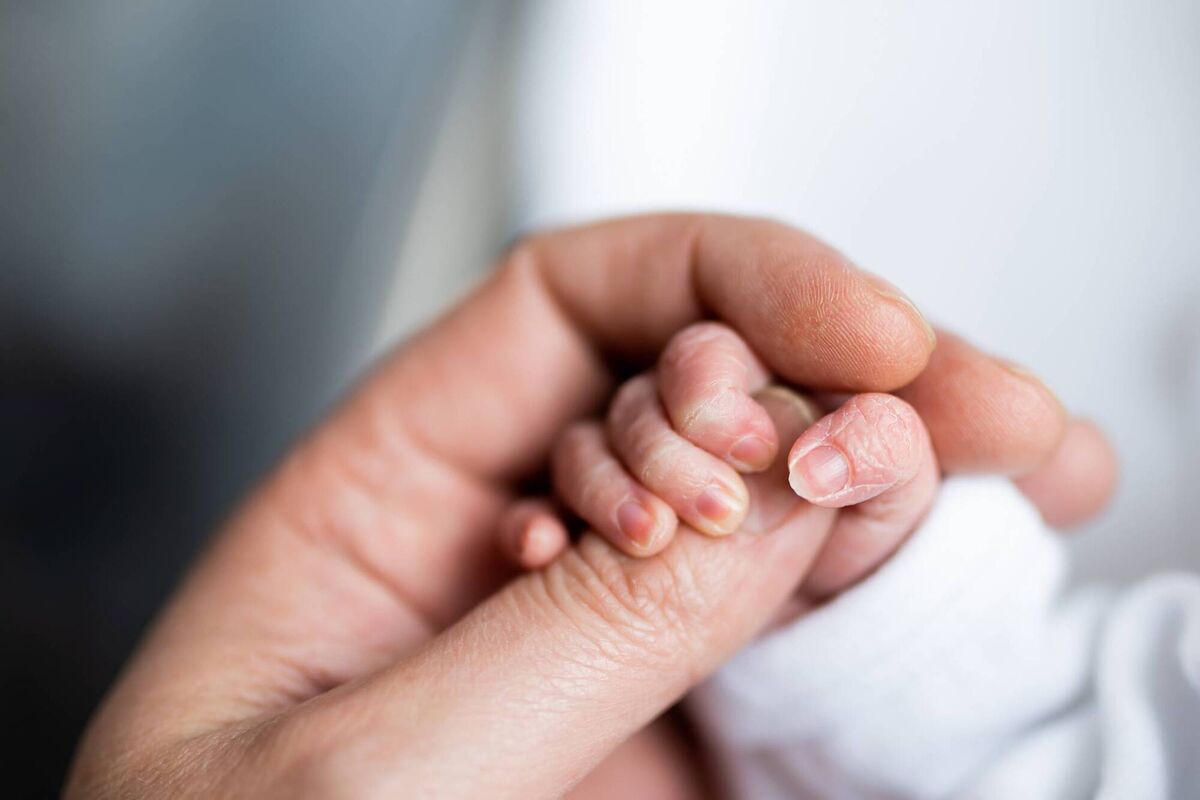
The result is growing numbers of couples delaying or giving up on the prospect of ever having a child, in an ageing population with a shrinking number of workers to pay for them.
The average woman in Ireland has 1.5 children. To keep a population steady, you need 2.1. There are two ways to achieve this — more babies or more immigration. Both of these options are currently out of favour.
But can having a baby be reduced to pensions and workforces? What happens when a sizeable chunk of the population turns away from the most fundamental natural instinct of them all — having babies, and all the joy and hope for a better world that comes with that? What about the fundamental instinct to push through the bleakness and carry on?
And it is not all bleak.
Our ancestors had to cope with existential crises that included wars, plagues and nuclear wipeout — yet humanity persisted and triumphed over darkness. The lowest figures for global infant mortality are occurring right now, at 24.5 deaths per 1,000 live births.
This is a direct result of medical advances that include widespread vaccination campaigns, and improvements in global living standards that have resulted in a steady and uninterrupted decline in global infant mortality for decades.
There is no denying the carbon footprint of every new addition to the world. However, climate experts argue the potential for every individual to drive systemic change — in terms of the way we use fossil fuels, shift to renewable energy and sustainable agriculture, and reduce consumption and waste, is far more impactful than restricting individual fertility.
My new grandniece does not care that she was born into the world the same day that Trump’s party was ousted — she is only concerned with being warm, dry, fed and cared for.

All too soon, global instability and climate chaos will be part of her world. Rather than protecting children from the inevitable challenges that come with being human, children will need to have the values and skills to cope with the existential crises they will undoubtedly face.
The first value every child will need is a respect and love for the complex vital ecosystem that is nature. Nowhere is this more exquisitely phrased than in Irish author and wildlife documentary presenter Eoin Warner’s book .
In this beautifully written nature memoir, Warner weaves memory with the wild, recalling encounters with birds, animal and landscapes that offered comfort, enchantment and meaning. From moonlit shores to dew-soaked meadows, each moment reveals how deeply our lives are intertwined with the natural world.
is a story of discovery, wonder and belonging. Rooted in Irish place and language, it invites us to slow down, look closer and rediscover the quiet magic that surrounds us in nature and the healing it can bring.
Secondly, people who believe they shape their own outcomes, rather than leaving things to luck or fate, tend to fare better in almost every sphere. Researchers at the University of Sydney have found this ‘internal locus of control’ that is closely linked to agency, predicts harder job searchers among the unemployed, higher household savings and greater entrepreneurial abilities.
People with agency believe in their ability to shape the world around them, compared to others who rely on fate or destiny.
Yet, a generational shift has occurred in the last four decades where children have moved off the streets and independent play to a ‘backseat generation’, escorted everywhere and whose time-space behaviour is characterised by adult organised activities.
Middle-class kids are driven from home to school, football to music, music to swimming. I have memories of exactly this roundabout with four young children and teenagers in primary and secondary school.
Many children no longer have the capacity to manage themselves, with diminished social capital leading to isolation and loneliness that is particularly devastating to childhood development.
Many of today’s children are so heavily supervised and thought of as so vulnerable that virtually all risk is removed from their day-to-day lives.
This week, I celebrate the arrival of the latest addition to the wider clan, on a day that there is a real reason to hope for a more stable, less cruel, less chaotic world.
Bringing children into the world has never been more important. Neither is the need to instill in them critical values and skills — agency to cope with the inevitable challenges ahead, and the joy that comes from understanding the complex natural ecosystems that sustain us.
- Dr Catherine Conlon is a public health doctor in Cork

CLIMATE & SUSTAINABILITY HUB
CONNECT WITH US TODAY



Be the first to know the latest news and updates