Marian Keyes' writing is a powerful force for social change
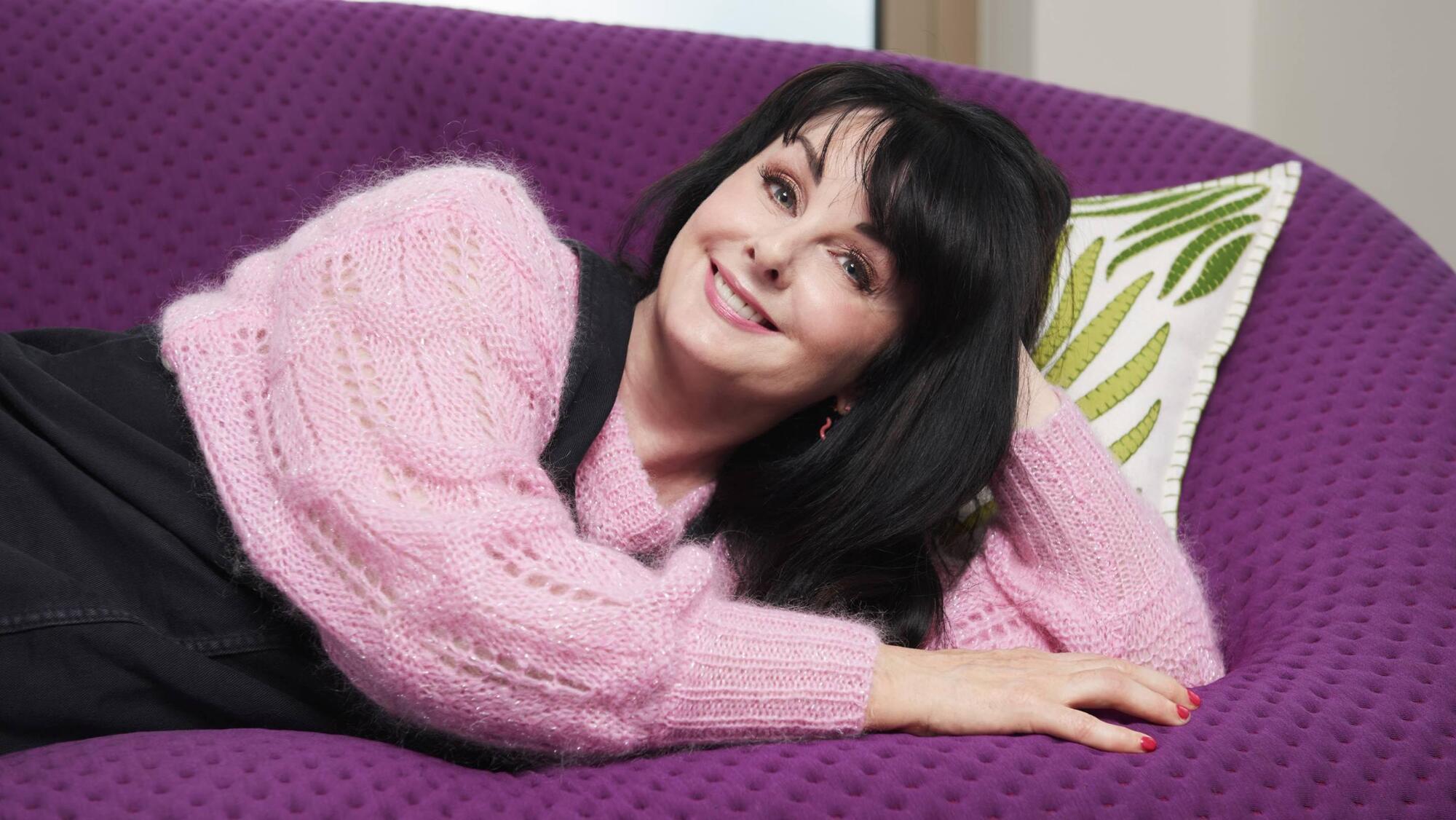
Marian Keyes' writing — and commercial fiction in general — can function as an instrument of social change.
The Arts Council's Arts Insights 2025 research found 73% of adults in Ireland had read a book for pleasure in the previous year, with fiction the most popular category, read by 47% of adults. Among those reading fiction, 53% were women.
Reading is a great way to switch off for the day. It’s relaxing. It’s fun. Picking up a ‘light’ book can offer us a refuge from an increasingly dark world. But, what if, and bear with me here, reading for pleasure could also help us to shape the society we live in?
I was born in the late 1980s, at a time when contraception was only available in restricted circumstances, homosexuality was a criminal offense, divorce and abortion were banned under the Irish constitution, and some Magdalene laundries were still operational.
Now, in 2026, women (and people with uteruses) receive free contraception between the ages of 17 and 35, same-sex marriage is legal and widely celebrated, divorce and abortion are possible (although legislative reform is still needed), and non-married and single parents are an unremarkable component of contemporary society.
We have also gone through the digital revolution, a significant economic boom and bust, widespread demographic changes caused by both immigration and emigration, a crippling housing crisis, and a global pandemic. That is a lot of social change within less than 40 years.
During this same period, Irish fiction has flourished on a national and global stage. Opinion pieces abound about the current generation of Irish women literary authors, and how they are shining a light on Irish society and culture.
Read More
Fair play to Anne Enright, Maggie O’Farrell, Anna Burns, Claire Keegan, Sally Rooney, and all the other Irish women writers winning and receiving nominations for the big literary prizes — their talent ensures Ireland punches significantly above its weight in the literary spotlight.
But what about our other women writers, the ones who top the book charts year after year but who are not considered high literature? Where are our awards for Marian Keyes, Patricia Scanlan, and Cathy Kelly?
What about Anna Carey, Emer McLysaght and Sarah Breen, and all the other writers with brightly coloured book covers, and happy endings who are featured prominently in airport bookshops, BookTok, and glossy magazines?
What can these writers tell us about contemporary Irish society and culture? And beyond that, how can their writing influence the world we live in?
Commercial fiction, which I define as all fiction produced for a mass audience, frequently reflects and mediates social change. Successful commercial authors are expected to release a new novel on average every one-two years; they can respond to emerging social trends and discourses while they are still pertinent.
Often considered easy, light, and escapist, commercial fiction is enjoyed by many types of readers, including those who may not interact with overtly political media outlets and/or organisations.
Starting with Patricia Scanlan’s blockbuster (1990), Irish commercial women’s fiction has addressed some of the key socio-political issues faced by readers during this period, including access to abortion, contraception, divorce, and workplace rights.
These books have provided readers with a safe space through which to negotiate and reconcile the difficulties of being a woman in a world which is simultaneously progressing and regressing at a phenomenal speed.
In doing so, commercial women’s fiction continues to reflect readers’ experiences of person and womanhood back at them to demonstrate their concerns are neither unique nor shameful in a patriarchal society.
Marian Keyes has been a key figure in this process. Starting with her first novel (1995), her writings cover a myriad of issues faced by her readers. She has written frequently about addiction, depression, and abortion, but she has also touched upon topics like HIV, period poverty, and the menopause.
In my book, (UCD Press 2026) I argue that Marian Keyes' writing — and commercial fiction in general — can function as an instrument of social change.
There are several reasons for this. Commercial fiction is often viewed as non-serious, meaning many readers pick up so-called ‘beach reads’ as an easy read. Psychology shows us people are more easily persuaded when they do not perceive influence.
When, as is often the case with commercial fiction, readers do not expect to encounter social activist viewpoints, they become more susceptible to persuasion from these avenues.
Moreover, commercial fiction engages readers’ emotions. The knowledge that is linked to emotions can influence how we perceive the world, but it is stored in a different part of the brain to the formally acquired knowledge we learn in school.
Linking emotions to character experiences encourages readers to interrogate their pre-existing assumptions, which can help them to approach topics in a new, and more compassionate light.
This process can be augmented by the author’s public profile. Success often places commercial authors in the public realm, which allows their readers to interpret the social themes discussed in their novels through the prism of author interviews, social media, and public appearances.
Finally, the happy endings which frequently prompt the denigration of these ‘girly’ books, actually promote social equality by providing readers with resolutions, a fantasy space to envision a better world, and the emotional capacity to project into a hopeful future.
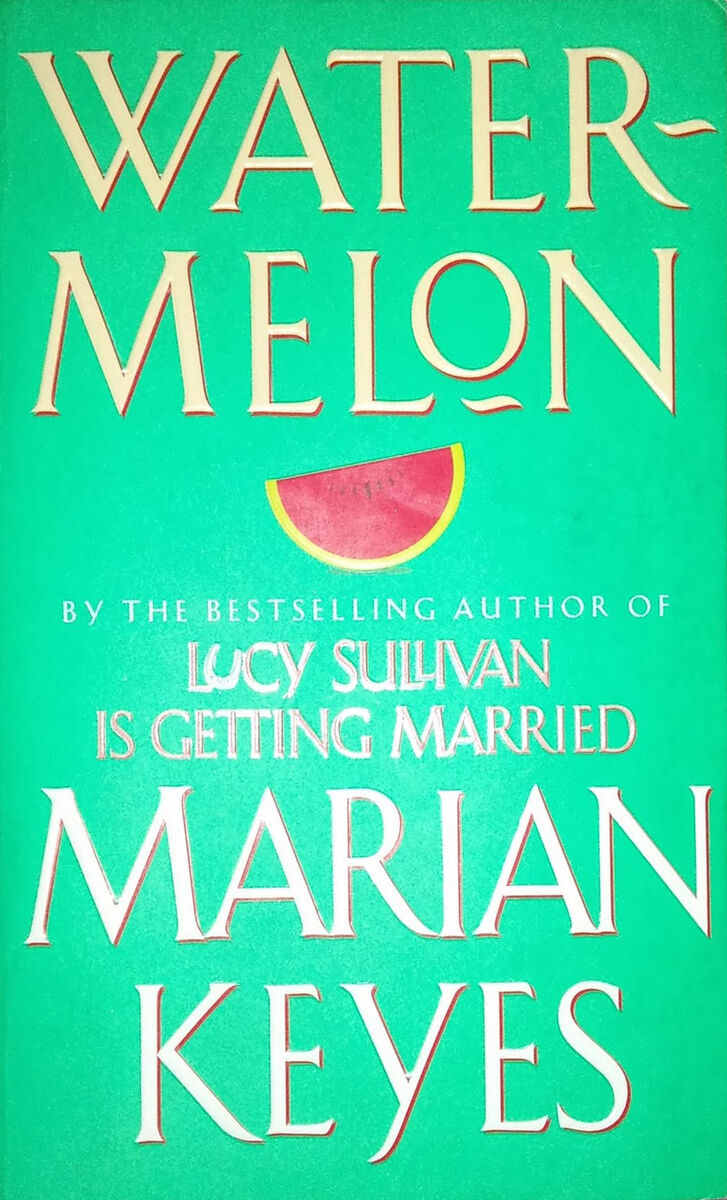
We can see these processes in action in Marian Keyes’ work. (1997) challenges the stereotypical depiction of addiction by showing us middle-class fashionable women can have addiction problems.
The (2012) demonstrates the tedium of depression, and strips any sense of drama and glamour from attempted suicide, while offering hope recovery and social acceptance are within grasp.
Both of these novels challenge the cultural narratives which encourage the stigmatisation of already marginalised groups. Written in the lead-up to the 2018 abortion referendum, (2017) depicts the societal and familial dynamics which might prompt a woman to seek an abortion.
Although these narratives are valuable on their own, they become particularly potent when combined with Marian Keyes’ friendly authorial persona, social media presence, colourful book covers, and talent for writing.
These other components foster a sense of goodwill towards Keyes’ political messages, lower her readers’ persuasion threshold, and offer extra-textual direction to help her readers carry these messages into the real world.
Thus, Keyes functions as a case study which shows us how commercial fiction can entertain readers when they need an escape from the real world, while at the same time encouraging some of us to think about how our actions, and interactions with those around us can help to create the type of world we might like to live in.
- Dr Maria Butler is a postdoctoral researcher at Maynooth University. She has written extensively on Marian Keyes, commercial fiction and popular literature, with her work published in leading academic journals. Her new release, , is out in October.

CONNECT WITH US TODAY



Be the first to know the latest news and updates