Peace begins with leaning into our human relationships
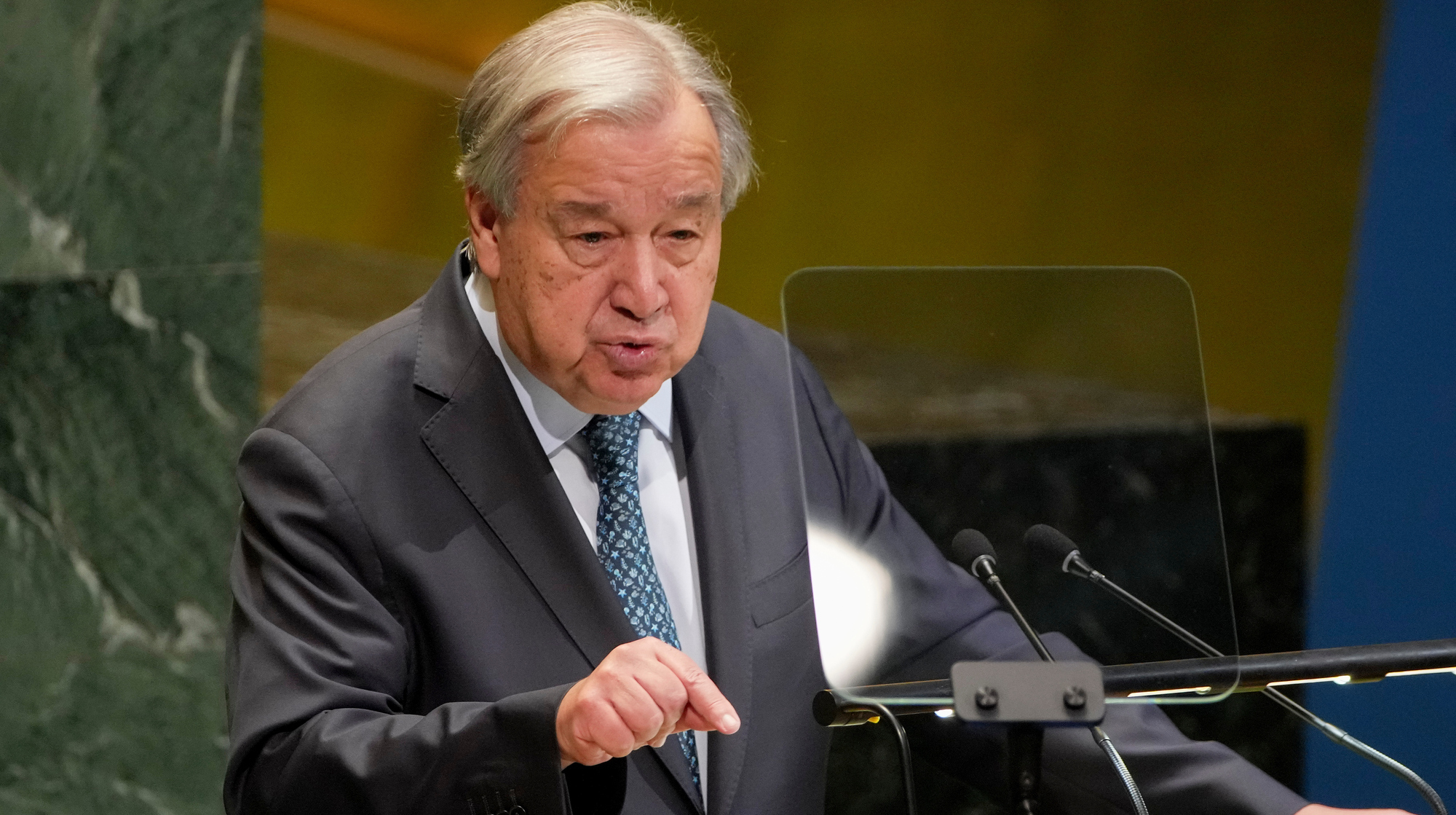
UN Secretary General Antonio Guterres. He said: 'Peace is not just made at conference tables, but in classrooms, neighbourhoods, and everywhere people meet with open minds and open hearts.' Photo: AP/Angelina Katsanis
On International Day of Peace, the UN Secretary General, António Guterres, has said: “Peace is not just made at conference tables, but in classrooms, neighbourhoods, and everywhere people meet with open minds and open hearts”.
It is this leaning into the human relationship that I want to pay particular attention to.
Imagine someone just arriving in Ireland from conflict in Ukraine, Gaza or Sudan. Maybe having left their loved ones and family at home. How must they feel?
Not being able to speak English. Not knowing how to navigate the system in a new and strange country. What courage does it take to step out and to seek help? I have seen both sides of this coin in my work over the past 20 years — those living in conflict zones and those arriving in Ireland fleeing conflict.
It takes enormous courage for someone to walk through a new door and ask for help. To find peace in the wake of conflict and trauma. The person coming through that door has a story and they will carry this story with them. They will have to tell and retell this story.
But how are they met? Many of the people who have inspired me most over the years are those who meet this story with hospitality, compassion and non-judgement, or put more simply, with an open heart and an open mind. My experience is that this is where peace thrives.
Over the years I have seen this peace in many forms.
I remember a domestic abuse group sitting around a table in Tacoa, Northern Honduras, sharing their fears, their stories. My colleagues at the time listened carefully and attentively to their stories. No judgement, just deep and attentive listening, building trust, slowly but surely.
Another case was a gender equality group in Gaza speaking about the devastating challenges they faced daily and being listened to compassionately. A refugee camp in Northern Myanmar where families had lived for years in a camp after fleeing conflict, sitting around a table, telling their stories and being listened to. Carefully and mindfully.
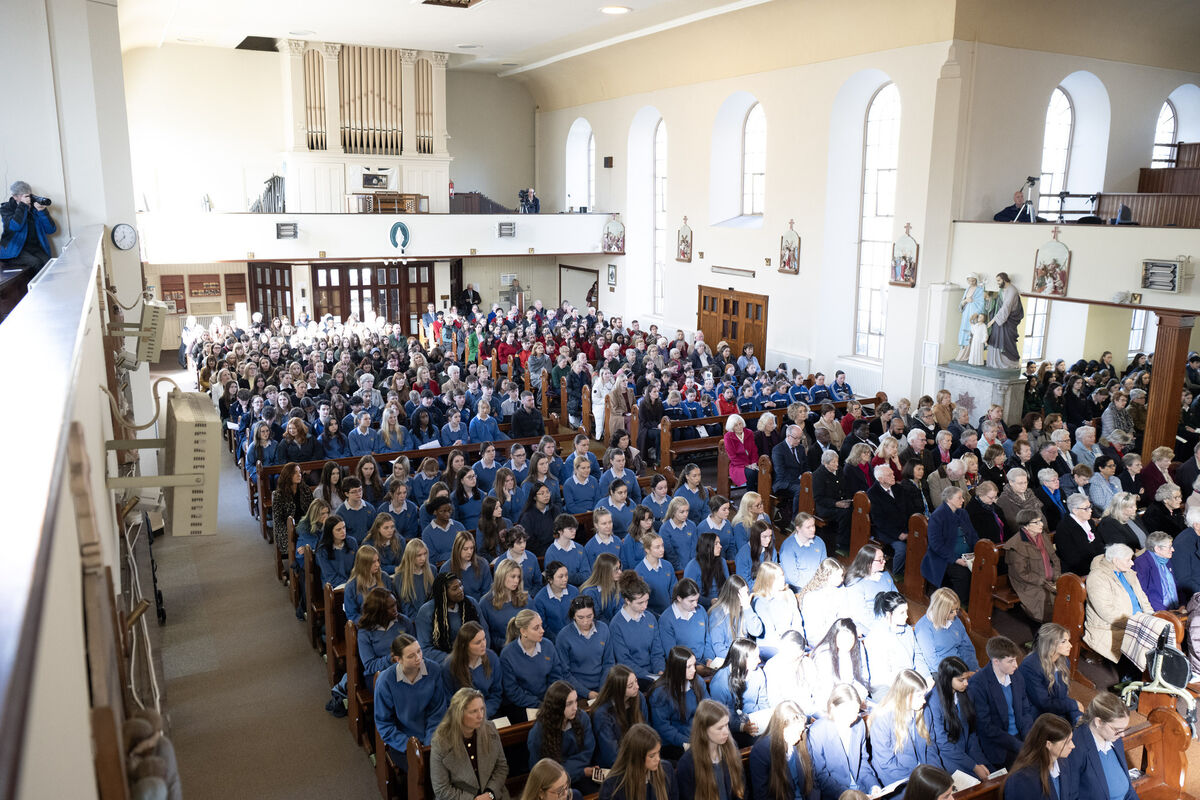
My colleagues today, waiting at the door in Nano Nagle Place for someone to arrive. Someone who has fled a conflict. Someone who is carrying so much. But they too will be met with an open heart and an open mind. This is how peace thrives — not just in conference rooms. And everyone has a part to play.
The UN website for International Day of Peace states that we need to invest in peace: for everyone, everywhere and every day.
When I think about the everywhere I think about the importance of place. People fleeing conflict need to feel welcome everywhere. They need to feel safe in the places where we encounter them and cities need these places.
The UN tells us that there are over 60 active conflicts in the world today, the most since the Second World War. People are fleeing these conflicts and cities need places where these people are welcomed and made feel safe.
But for a place to be a safe place it needs to be open to diversity, to differences in background, cultures, ethnicities and so on. This creates places where people fleeing conflicts can thrive.
But also, the places themselves thrive in return. My experience is that diversity brings a transformational energy that all benefit from, and in turn peace can thrive everywhere.
To achieve this transformational energy, my experience is that those working with people fleeing conflict need to let go of preconceived ideas, and to welcome people with an authentic openness.
Moreover, what is essential is to view those who have fled conflict not through a deficit lens, but through an empowerment lens. When this happens in a meaningful way, my colleagues tell me, time and again, that they are left learning more and gaining more from the exchange.
So, what does all this mean for investing in "peace for everyone, everywhere, and every day"? For me this means investing in places that provide safe spaces for those who have fled conflicts.
It means institutions investing in the values that lead to genuine and meaningful human relationships. It means reflecting on what lives lived with open hearts and open minds really look like. It means bringing these approaches right up from those humble human encounters to the lofty conference spaces.
I have observed this lived out in an acute sense. I recall a number of years back meeting Dr Izzeldin Abuelaish at a lunchtime talk in Dublin. He is a Palestinian Canadian peace advocate who shared the story of how his three daughters all died in a bombing in Gaza in 2009.
Again, our group sat quietly and listened to him share his story and his message was unequivocally one of peace and forgiveness. We listened with open hearts and open minds.
I left that encounter with no doubt that peace was possible, for everyone, everywhere, every day.
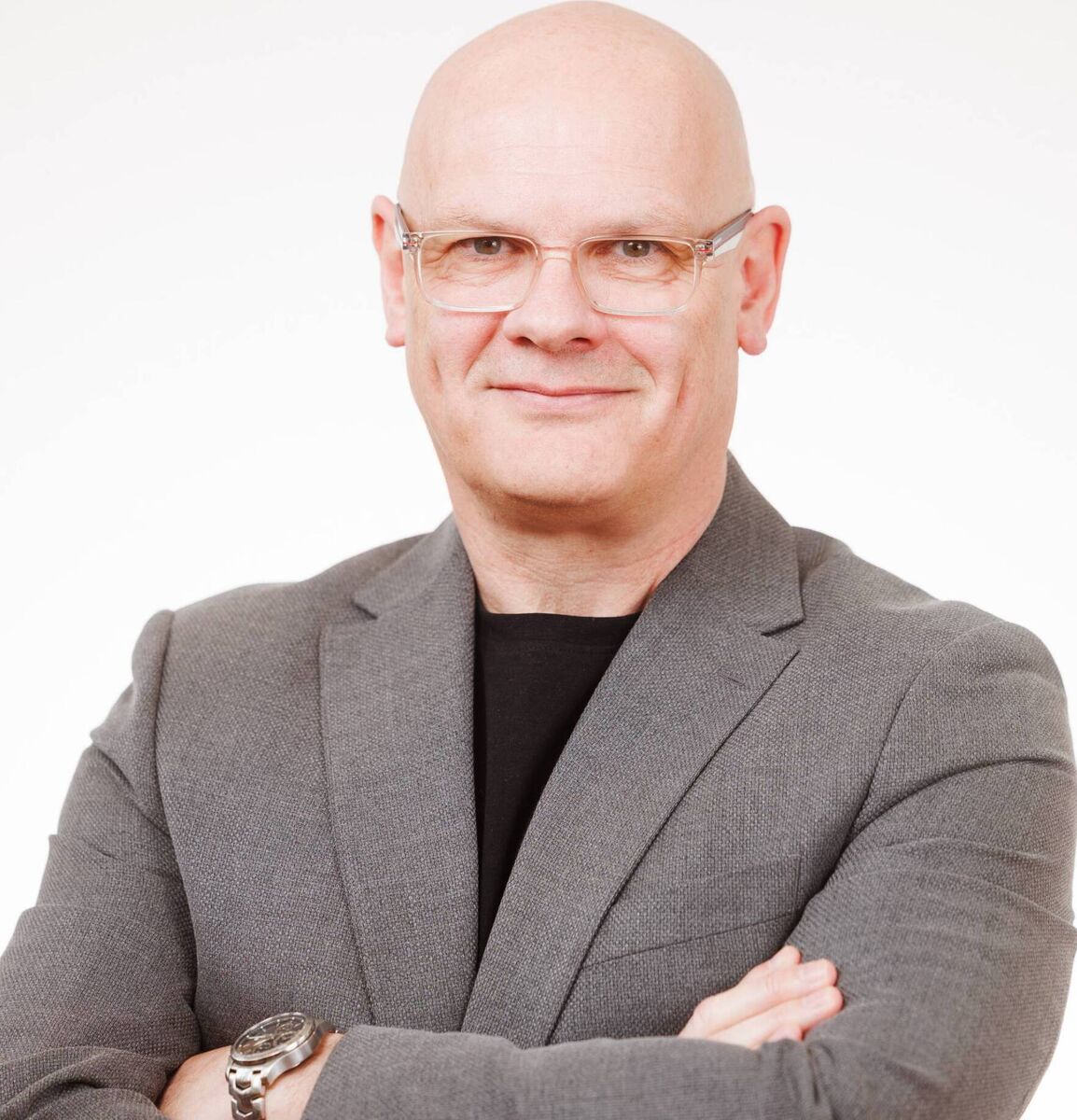
- John Smith is CEO of Nano Nagle Place in Cork City. Nano Nagle founded the Presentation Sisters 250 years ago and her mission was to make education, inclusion and compassion available to everyone. Nano Nagle Place continues this message at its site today and strives to create a welcoming space where connection, learning and belonging thrive. He’s writing on International Day of Peace about the importance of everyday simple interactions where people meet with open hearts and open minds.

CONNECT WITH US TODAY



Be the first to know the latest news and updates