Shona Murray: Ireland can work with EU to run Aughinish for Europe

What’s stopping Dublin and Brussels working on a plan to ensure that Russia’s war machine cannot benefit from raw materials made in Ireland?
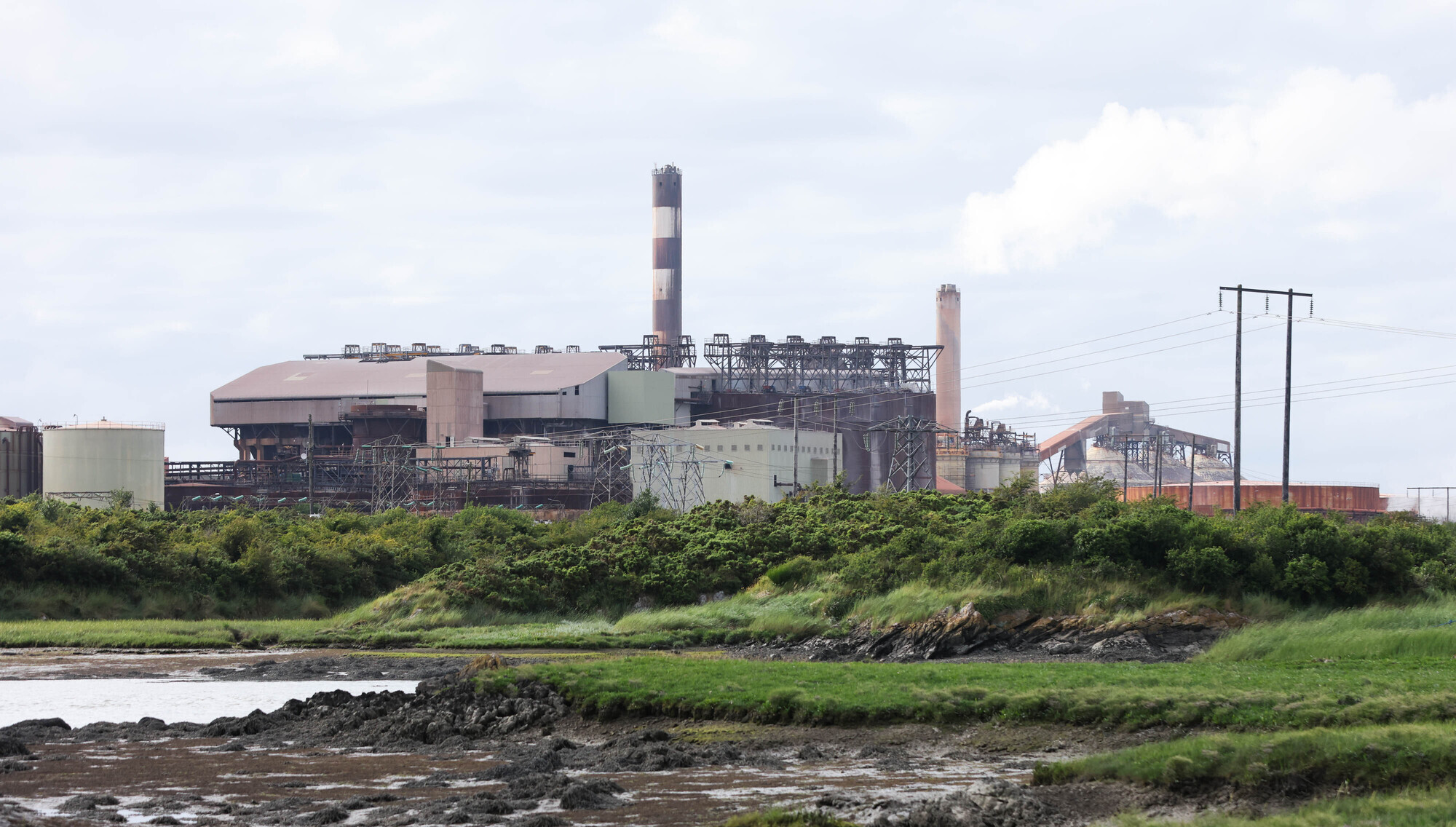
The Aughinish Alumina plant on the Shannon Estuary in Co Limerick, Europe’s largest alumina refinery, has come under renewed scrutiny over exports to Russia. Picture: Eamonn Farrell/ RollingNews.ie

The Aughinish Alumina plant on the Shannon Estuary in Co Limerick, Europe’s largest alumina refinery, has come under renewed scrutiny over exports to Russia. Picture: Eamonn Farrell/ RollingNews.ie

The European Parliament voted in favour of a proposal to ban alumina exports to Russia last week.

The vote is largely symbolic as it is the role of the European Commission to issue sanctions proposals, and for the member states to unanimously agree on them.

However, the export of alumina to Russia for smelting which is then sold to a company which supplies aluminium to Russian arms manufacturers means there could be a causal link between a production plant in Ireland, and the devastating war that Putin is prosecuting.

Nobody wants to see jobs lost and the local economy harmed in Ireland. The Government also argues that the plant is a vital source for the rest of the EU, meaning mothballing it would hamper the European economy.

But surely there are ways around these concerns, where the Irish state and the European Union could take control of the plant, and run it as a source for Europe.

Just before Christmas, the European Commission issued complex legal proposals that would see the EU confiscate, or utilise, frozen Russian state assets — most of which were being held in the Belgian financial repository, Euroclear.

They argued the term “confiscate” is incorrect as the legal arrangement proposed by the commission was in the form of a “reparations loan”, where Russia would retrieve its assets as soon as it paid reparations to Ukraine for the destruction of its country.

The EU, and all member states agreed that Russia — and not EU taxpayers — should be responsible for supporting Ukraine’s reconstruction and war economy, given it was solely responsible for the heinous attacks on Ukraine, a neutral former colony of the Soviet Union.

Due to Belgian concerns and a rejection by then Hungarian prime minister Orban, who has close ties with the Kremlin, the EU arranged a workaround with a €90bn loan based on the EU budget to keep the lights on in Ukraine.

But if Ireland supported this decision at that point, what’s stopping Dublin and Brussels working on a plan to ensure that Russia’s war machine cannot benefit from raw materials made in Ireland.

Russia’s imperialist ambitions in Ukraine, and Putin’s dream of a reconstituted Russian Federation has changed Europe and the world forever.

When he triggered the full-scale invasion, Putin rolled the dice and concluded he could take Kyiv within hours, and arrest or assassinate its democratically elected president, Volodymyr Zelenskyy.

Amassing Russian forces in eastern Ukraine

Around a year prior, Putin had amassed over 100,000 Russian forces to eastern Ukraine.

European capitals and Washington, including Nato under then secretary general Jen Stoltenberg spent months attempting to negotiate with Putin; for him not to expand his territorial conquest in Ukraine any further. 

He’d already invaded Crimea and eastern Donbas in 2014 when he sent in his so-called “little green men”, or Russian soldiers with no insignia to annex the region.

And somehow, five years into the war, with potentially more than 100,000 military casualties, tens of thousands of civilians dead, millions of civilians living as refugees away from their homes and loved ones, Ukraine is turning the tide of the war.

However, Europe is far more dangerous, and global security far more uncertain, and Ukraine is now a contributor to European security.

With drone and anti-drone technology advances derived from real-life experience on the battlefield, and in response to the Russia-Iran shahed drone programme, Ukraine is more than holding its own.

In recent weeks, Ukraine is taking the war to Russia, and without the help of the US — which effectively abandoned Kyiv when Trump and Vance came to office — has now developed its own long-range capacity with the ability to successfully target Russian oil refineries and other legitimate sites that contribute to the Kremlin’s war.

In over one year, after humiliating Zelenskyy in the White House, Trump now realises that Ukraine does hold cards.

Too many Ukrainian drones in Russia

At a bi-lateral meeting between Trump and Zelenskyy at the Nato summit in Ankara, Zelensky, responding to a question from Trump about whether he would travel to Moscow for talks, joked that there were “too many Ukrainian drones there”. 

Due to Ireland’s neutrality the state doesn’t contribute to kinetic or lethal military hardware to Ukraine. 

We’re not in Nato where in Ankara allies are now spending 5% of GDP on defence by 2035. 

Indeed this escalation on spending is at behest of Trump, but the continent wouldn’t be so perilous if it wasn’t for Putin.

Nato countries on the border with Russia experience frequent hybrid war threats and interference which has escalated since the Ukraine war.

Trump’s hostility to Europe means it can no longer really rely on the US to come to their aid if Putin were to test Nato unity with a small incursion into one of these countries, which, unlike Ukraine are covered by Nato’s Article 5 — “an attack on one is an attack on all” collective defence provision.

There’s no doubt these countries would far prefer to spend billions of hard-earned taxpayers money on healthcare, education, and societal needs but because of Putin’s dice roll, we are in a whole new paradigm.

Ireland must show some leadership on the Aughinish matter, and work with Brussels for a solution that suits everyone, except for Putin.

More in this section

Revoiced

Newsletter

Had a busy week? Sign up for some of the best reads from the week gone by. Selected just for you.

Cookie Policy Privacy Policy Brand Safety FAQ Help Contact Us Terms and Conditions

© Examiner Echo Group Limited