Nationalising Aughinish Alumina 'not an option' for Government
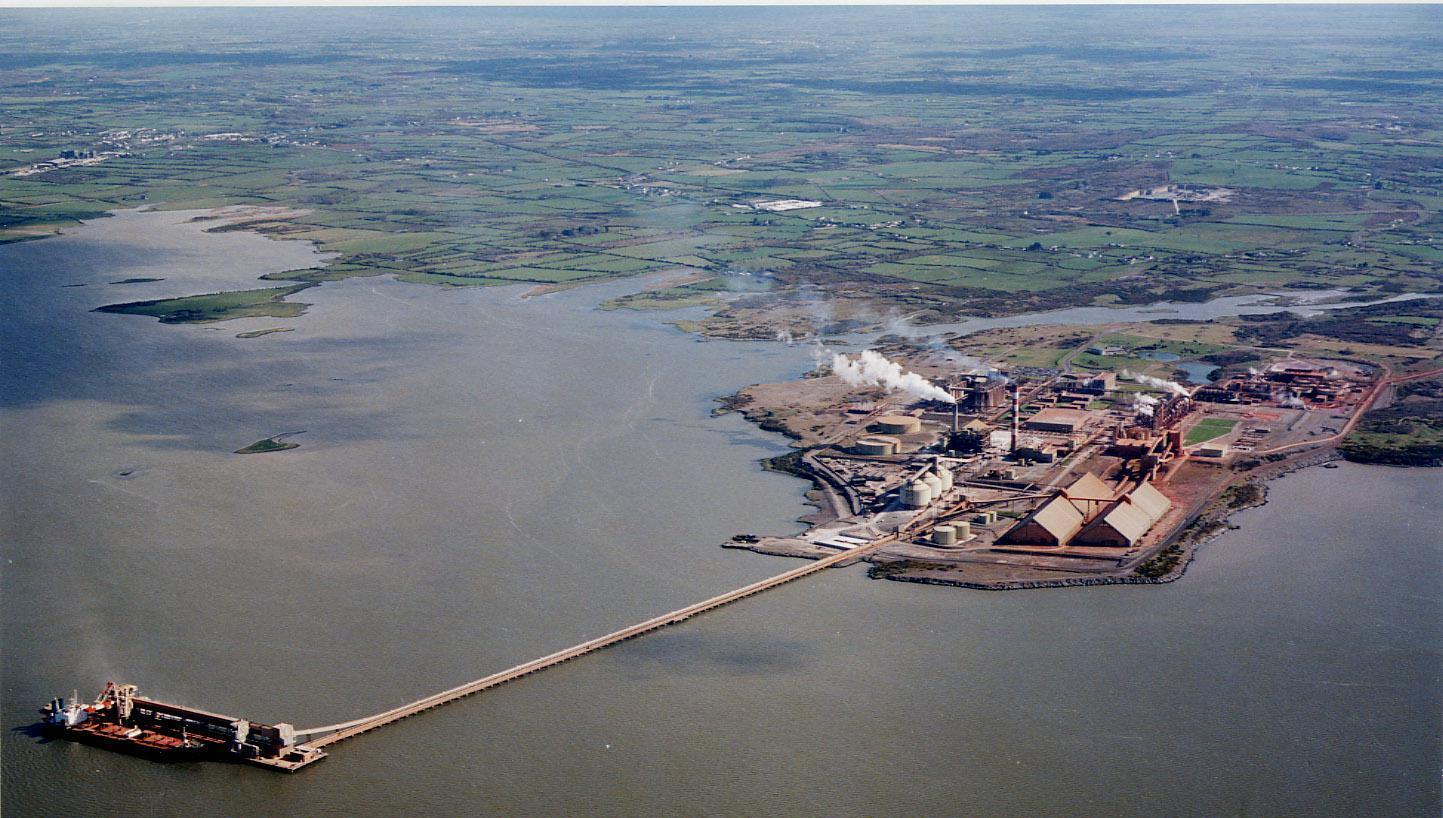
Aughinish produces alumina, a raw material exported to Russia to make aluminium. The European Parliament this week voted to call for a full ban on the export of alumina to Russia.
Nationalising Aughinish Alumina’s Limerick operation is “not an option” as the constitutional threshold for doing so is “not high enough”, enterprise minister Peter Burke has warned.
As he warned that he could not guarantee any of the people working there their jobs, the Fine Gael TD insisted that the Government had not lobbied the European Commission to keep alumina off sanction lists.
“The Government [will] not tolerate if there's a threshold of evidence that proves essentially the product is ending up in the Russian military complex,” he told a press conference after an informal meeting of EU competitiveness ministers in Dublin Castle.
The Department of Enterprise is currently investigating whether the Limerick-based plant is contributing to the Russian war effort in Ukraine following reports by The Irish Times and the Organised Crime and Corruption Reporting Project on Aughinish’s alleged role in supporting Russia’s military industry.
Mr Burke confirmed that the informal EU meeting of ministers did not discuss Aughinish Alumina.
He categorically ruled out the prospect of the Irish State nationalising the plant.
“There is no discussion about nationalisation,” Mr Burke said.
“My advice clearly is that it is not an option. The threshold will not be high enough in the constitution, in relation to political precedent and other thresholds to be reached in order for something like that to happen.
“It is not something that we're exploring.”
Before the meeting, Mr Burke said he cannot give assurances to workers in Aughinish Alumina, saying the European Commission has a “significant decision” on whether to sanction the Limerick facility.
He said the Government is working alongside the European Commission, with a report into the export of alumina to Russia expected imminently.
“Obviously it’s a very challenging circumstance. The company is still operating, so at the moment no decision has been taken,” Mr Burke said, speaking at the informal meeting of EU competitiveness ministers.
“At the moment, I can’t give any assurances in any regard. This is a European issue. Europe has policy responsibility for sanctions; we must remember that… They have to take a very significant decision now in that regard.”
Mr Burke said it was a “very serious issue” and his department would be working alongside the European Commission on the matter.
Read More
Owned by the Russian metals giant Rusal, Aughinish produces alumina, a raw material exported to Russia to make aluminium.
The and the Organized Crime and Corruption Reporting Project published an investigation examining Aughinish’s alleged role in supporting Russia’s military industry.
The European Parliament this week voted to call for a full ban on the export of alumina to Russia, as Fianna Fáil MEPs opted to abstain.
MEPs backed a non-binding resolution calling for the raw material to be added to the sanctions list, with Fine Gael, Labour, and Sinn Féin MEPs backing the proposal.
Mr Burke said there were around 1,000 people directly employed by the Co. Limerick plant and its supply chain, with around 900 further jobs being supported.
“We all meet challenges, and we have to respond to those challenges with our values at our core as a country. And that's very important to me as a minister, Ireland’s reputation.
“We have to work to try and really respond to this problem collectively as a European Union, try and ascertain the facts, stress testing, which is very important. What threshold of evidence can we get together? And that's what I'm working through with the department.”
Mr Burke added that Ireland has supported all 20 previous sanction packages against Russia.
Meanwhile, Tánaiste Simon Harris said there has been commentary on alumina for “many, many years”, with investigations previously carried out by the European Commission and the US.
“It is always important on any issue that a sanctions package understands the impacts that it can have on the European Union,” he said, speaking in Brussels.
Mr Harris said the EU and European Commission have to decide a “balance” when it comes to sanctions. However, he noted that Ireland has “always been supportive” of sanctions against Russia.
He said previous sanctions packages have had significant impact on Russia's economy, and there has to be a "tipping point where we get Putin to a negotiating table to agree to lasting, just and enduring peace for Ukraine".
He argued that “it is important that we continue to be able to have alumina supplied to Europe”.
Mr Harris continued: “It's also really important that we make sure that there's nothing inadvertently being done in any manner or means that provides any assistance whatsoever to Russia when Ireland, the people of Ireland, Europe are utterly deplored by Putin's actions and that of his regime in Ukraine.
“The Irish record on standing with Ukraine for as long as it takes is absolutely clear and consistent. We will get all of the facts that are available to us. We will give them to the European Commission. We're engaging hand in glove with the European Commission and also with the Ukrainian government.”

CONNECT WITH US TODAY



Be the first to know the latest news and updates