Government still talking, rather than enacting social media ban for under-16s
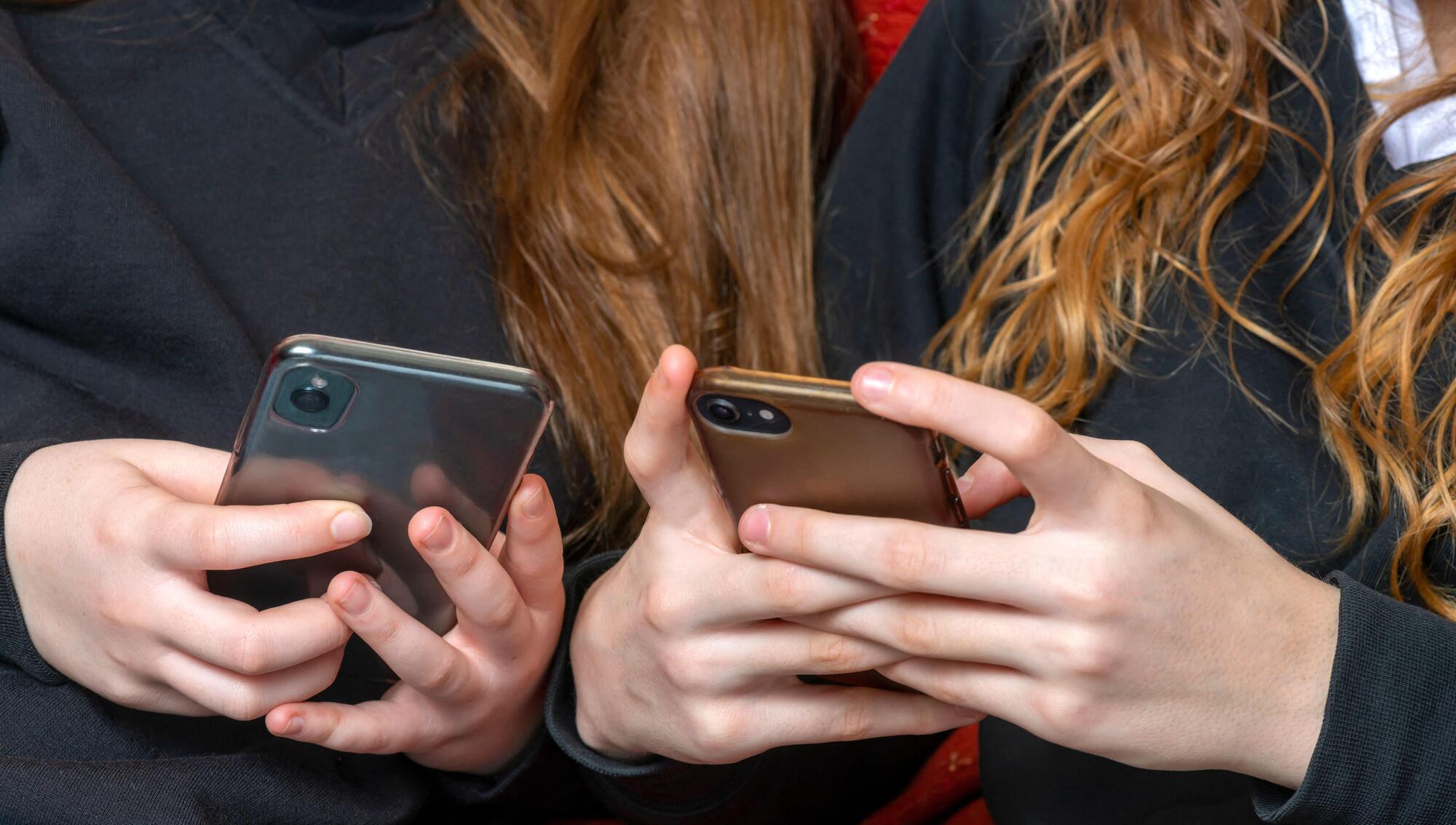
Politicians are still posting social media videos about proposed bans rather than ensuring that teens cannot watch them. File picture
Since its formation, this Government has been accused of being a “do-nothing Dáil” that, as Sinn Féin’s Mary Lou McDonald always puts it, constantly “dithers and delays”.
While this comment is often unfair, it is entirely fitting when it comes to how the Government has approached the question of banning or restricting social media for under-16s.
While it has been humming and hawing over whether to act, when to act, and how to act, Ireland has been left in the dust as Australia, France, and, now, Britain introduce bans.
What have we got in Ireland? Mixed messaging, internal Government disharmony, and the blame being placed squarely at the feet of the European Union.
In February 2024, then-education minister Norma Foley hauled social media companies in to discuss whether an age verification system could be put in place to keep primary school children off the platforms.
She wrote to Niamh Hodnett, who was the Online Safety Commissioner, to explore how “robust” age verification could be put in place.
Several months later, in November 2024, Australia announced it would become the first country in the world to ban social media for under-16s.
Writing in the in March 2025 following the release of Netflix’s , Tánaiste Simon Harris wrote that he was “committed to examining ways to enforce age-verification obligations on online service providers”.
In the Dáil on May 8, Mr Harris said communications minister Patrick O’Donovan had asked officials in his department to examine what countries like Australia were doing and an under-16s ban should be given “very serious consideration”.
The Australia ban came into place in December 2025, all while the Irish Government was mulling over whether the new digital wallet could be used for age verification.
Taoiseach Micheál Martin told the in Angola that Ireland could not respond in a “knee-jerk” manner to what was being done in Australia, while Mr Harris continued to call for a ban.
Shortly after, Mr O’Donovan launched a scathing attack on the European Commission for not developing social media age verification, arguing that you “wouldn't allow a child into a bar to sit up at the counter and drink gin and tonic” and that there needed to be age controls in place.
He argued that Ireland could not introduce a ban like Australia because of its place in the European single market.
This suggestion was shown to be dubious when France passed a bill to ban social media for under-15s in January 2026.
Spain announced its plans the following month.
On February 16, it was reported for the first time that Britain was likely to introduce a ban in 2026.
The following day in Ireland, there was a farcical situation in which one arm of Government was briefing that the coalition would announce plans to introduce a social media ban for under-16s that same day, while the other side was shooting the idea down.
It transpired there was no ban imminent, with a Cabinet row then breaking out about a copy of the Government’s Digital and AI Strategy being leaked to the media.
They argued one small part of the report said that “age restrictions on the use of social media” would be examined, leading some in Government to suggest that a social media ban would be discussed.
While the Irish Government was fighting, the British Government was acting, culminating in Monday's announcement from Keir Starmer that under-16s would be banned from social media.
The Tánaiste said on Monday that Ireland should “follow suit” and that Mr O’Donovan was due to bring proposals to Government on the matter next week. The Taoiseach also said that a ban was being explored, suggesting that perhaps everyone is finally on the same page.
Questions around age verification are due to be discussed at length during Ireland’s presidency of Europe, which starts on July 1.
But, just last week, the Taoiseach refused to commit to a ban being introduced during those six months.
Mr O’Donovan has warned that Ireland will “go it alone” if Europe does not act. But, as France and Spain are showing, Ireland could have already done this.
Instead, over three years since the prospect of age verification in Ireland was first mooted, there are no checks in place, with update after update to Cabinet on the matter providing no real commitments or timelines.
We are still talking, rather than acting. Politicians are still posting social media videos about proposed bans rather than ensuring that teens cannot watch them.
While the Government may have genuine intentions to ban social media for teens and plans are definitely in train, concrete action now needs to be taken if we are serious about keeping under-16s off social media.
Because the dither and delay mean that Ireland is being left behind while others make decisions.
- Louise Burne is a political correspondent for the

CONNECT WITH US TODAY



Be the first to know the latest news and updates