Catherine Conlon: Giving older people the shingles vaccine is a no-brainer
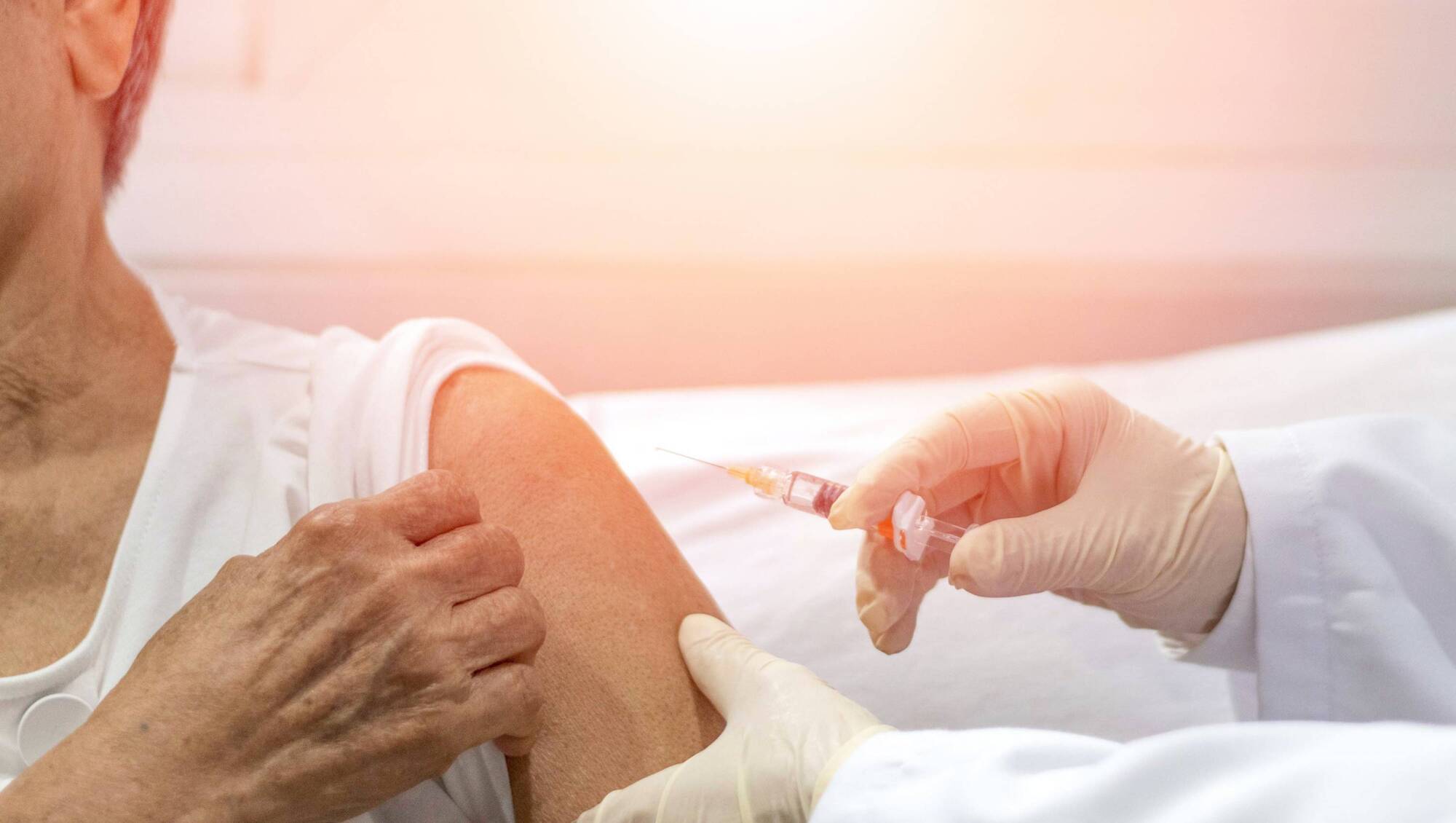
The Oireachtas Committee on Health heard calls for the shingles recombinant vaccine to be made available free to those over 65 years. File photo
A growing body of evidence suggests the shingles vaccination may lower the risk of dementia as well as stroke and heart attack, causing a furore of interest in recommendations around its availability to older adults. This hugely exciting evidence is very new, and medical experts are now calling for the vaccines to be made free to older people.
Consultant geriatrician and stroke physician, professor Ronan Collins told the Oireachtas Committee on Health recently that programmes for child vaccination are the norm but Ireland’s approach to adult vaccination has been less robust.
“Vaccination is an important pillar of healthcare to ensure healthy ageing and the prevention of cardiovascular disease, stroke and dementia,” he said. The meeting heard calls for the shingles recombinant vaccine to be made available free to those over 65 years.
Chicken pox and shingles are caused by the same virus — varicella zoster, but they are not the same illness. Chicken pox is the initial infection.
Reactivation of the virus may occur in older people, following recent illness, stress or medical conditions such as diabetes. The virus travels along nerve pathways to the skin, causing shingles.
Symptoms include a burning, painful rash that can last two to four weeks, as well as nerve pain, skin blistering, fever, headache and upset stomach.
Emerging evidence from Stanford University in the US suggests that the shingles vaccine may prevent or delay dementia.
Two separate reports in 2025, among large populations of older adults in Wales and Australia, showed that people who had received the shingles vaccine were not only protected against shingles, but were also 20% less likely to develop dementia than unvaccinated people in the subsequent seven years.
A follow-up study by the same researchers, published in in December, suggested that the vaccine may not only prevent dementia, it may also be therapeutic.
“The crucial insight from our new study is that it doesn’t just seem to have an effect on delaying or preventing dementia, but it also appears to benefit those who already have dementia,” said lead author and assistant professor of medicine at Stanford Medicine, Dr Pascal Geldsetzer.
The Welsh study documented how nearly half of those who had dementia at the start of the vaccine programme had died from dementia over the subsequent nine years, compared to less than a third (30%) who had got the vaccine.
The same results have been repeated in health records from Australia, Canada, England and New Zealand.
The research was made possible by national programmes in some countries that made a live attenuated shingles vaccine available to a large group of residents born before a certain date, compared to people born just before the cut-off date, whose birthdays were within a year of each other.
The two groups were similar in all characteristics, including education level and use of preventive health services while they had the same likelihood of common diseases such as heart disease, diabetes and cancer
A study published in in 2024 also linked the newer vaccine, Shingrix with a protective effect against dementia.
Overall, those given Shingrix had a 23% to 27% lower risk of developing dementia than those who received other vaccines, including flu, tetanus, diphtheria, or pertussis.
While the mechanism of action is still not clear, possible mechanisms include that the shingles vaccine prevents reactivation of the dormant virus that is thought to contribute to brain inflammation and the build-up of proteins in the brain linked to dementia.
It is also possible that the vaccine provides a broader boost to the immune system, which counteracts the weakened immunity of older age.
The immunisation programme in Ireland is based on the advice of the National Immunisation Advisory Committee (NIAC) that considers the prevalence of relevant diseases in Ireland as well as international best practice when developing its advice.
The current NIAC guidelines advise that the shingles vaccine may be considered for those aged 65 years and older, due to the greater burden and severity of disease in this age group and those aged 18 years and older at increased risk of shingles.
In July 2024, the Health Information Quality Authority (Hiqa) published a Health Technology Assessment (HTA) on the shingles vaccine. The HTA served to advise the health minister on whether a shingles vaccine should be provided as part of the adult immunisation programme in Ireland.
The HTA advised that adding the shingles vaccine to the routine immunisation schedule, at the vaccine price at the time, for all adults aged 65 and over would not be cost-effective and would be associated with a substantial budget impact — to the tune of €218m over five years.
Shingles vaccines are available in Ireland, but they are expensive. A two-dose course of Shingrix vaccine typically costs €480 to €490.
While the HTA found that the introduction of a shingles vaccine was not cost-effective, it found that it could be cost-effective to vaccinate people aged between 75 and 80 years if the cost of the jab was reduced by 80%.
In a written statement to the recent Oireachtas committee, Prof. Luke O’Neill, from the School of Biochemistry and Immunology at Trinity Biomedical Sciences Institute, said around one in 10 older adults develops shingles every year.
He said the vaccine is very effective and several countries provide for it — such as the UK, Australia, Luxembourg, Canada and also the US — under Medicare.
Prof. O’Neill said, in light of the evidence of the drug’s effectiveness in protecting against Alzheimer’s and heart disease, the goal should be to increase the uptake of the Shingrix vaccine in the over-65s and making it free would be a major help in trying to achieve it.
He added that an uptake of 70% and overall incidence of around 10,000 cases a year, would result in a saving of up to €8 million a year.
This expensive vaccine is not currently available on the adult immunisation schedule in Ireland, but the new evidence may change that. For now, what we can say is that the health benefits of the shingles vaccine have the potential to go way beyond protecting us against shingles.
- Dr Catherine Conlon is a public health doctor in Cork


CONNECT WITH US TODAY



Be the first to know the latest news and updates