Barry Andrews: Big publishers are ripping off our public libraries
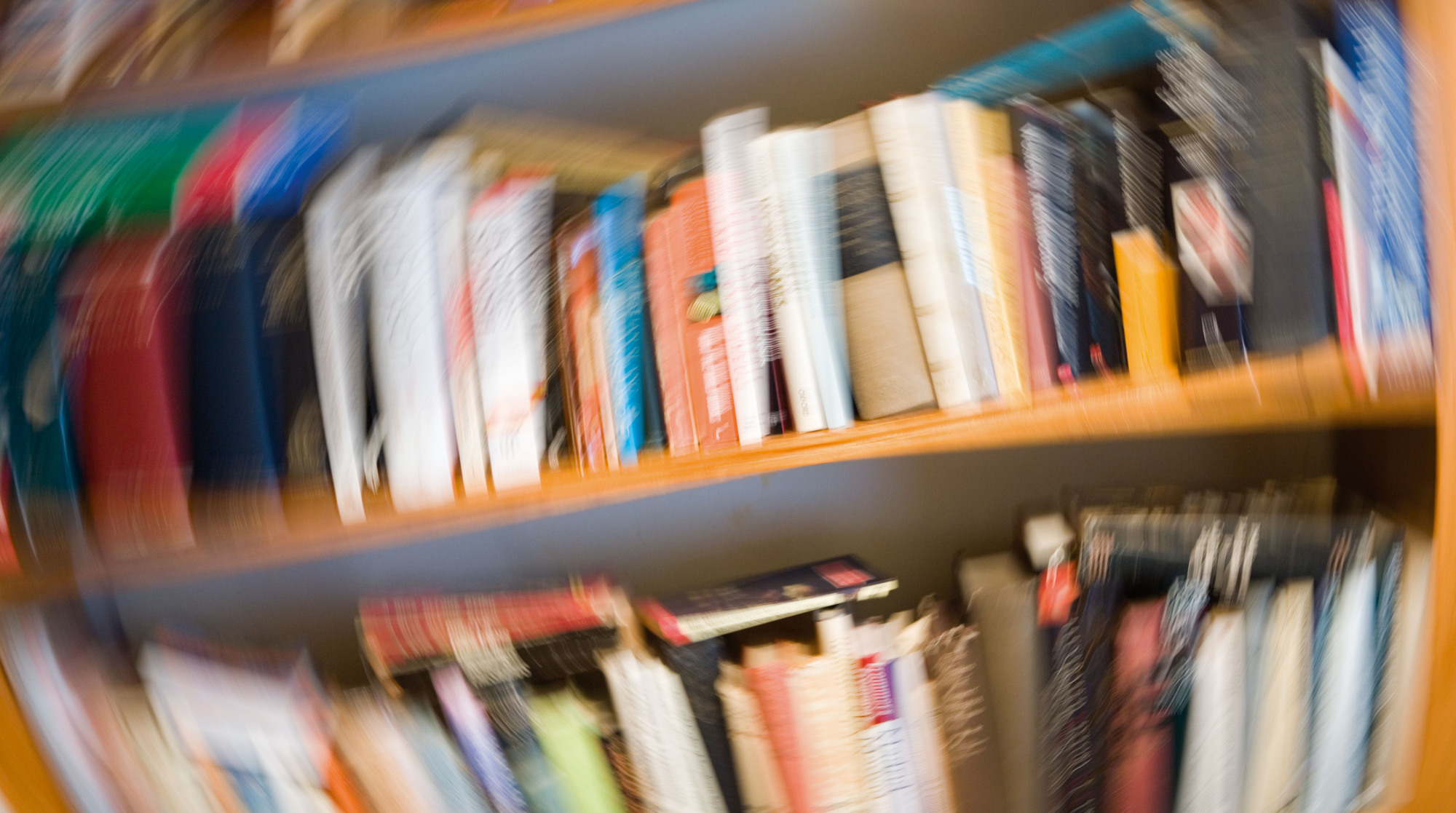
Libraries are not just full of wonderful books you have not yet read, but they are also places of audiobooks, magazines, online learning, workshops, adult classes and high-brow lectures. File picture
We have had public libraries in Ireland for over 300 years. Despite the onslaught of television, the iPhone and TikTok, we still have over 300 of them at the heart of our communities today.
Libraries are for everyone. In a noisy and hectic world, they are one of the few quiet places we have left. Walk in the door of your local library and you will immediately feel more relaxed.
Read More
Libraries are not just full of wonderful books you have not yet read, but they are also places of audiobooks, magazines, online learning, workshops, adult classes and high-brow lectures.
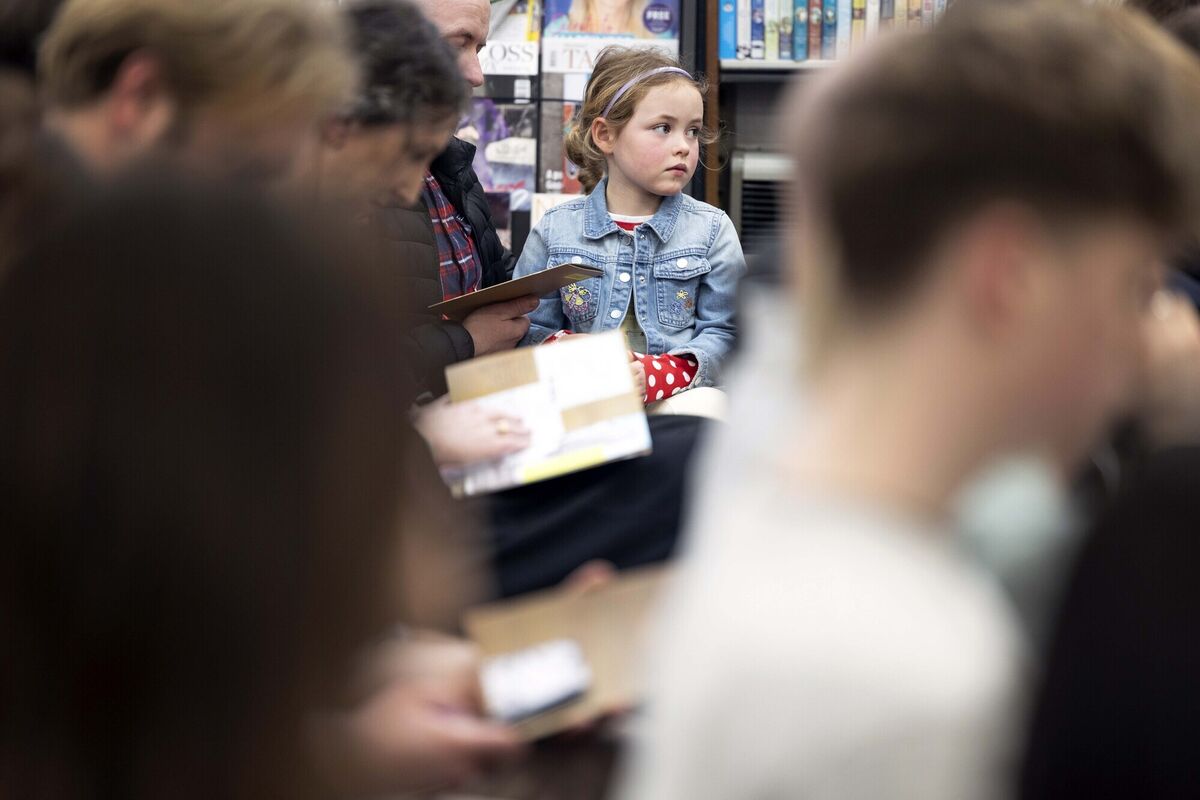
Two public libraries in Dublin even have soundproof music studios for wannabe rock bands, pop singers or budding podcasters. Libraries are the ideal place for grandparents to bring grandkids away for an afternoon, and away from the screens.
Unfortunately, this public library model is in danger.
The 'Big Five' publishing giants of the English-language book market — Penguin Random House, HarperCollins, Simon & Schuster, Hachette, and Macmillan, which earn billions of euro in revenue every year — are basically forcing extortionate pricing and licensing terms on our public libraries for the lending of e-books.
The use of e-books in Ireland has boomed since the covid-19 pandemic. While physical books are still very popular, e-book lending now makes up about 20% of total library lending.
Anyone with a library card can download the BorrowBox app and get free access to a range of e-books, e-magazines and audiobooks, which is a wonderful service.
Unfortunately, the range available is far narrower than what is possible.
In Denmark, digital lending already makes up 40% of the total and there is no doubt Ireland is fast moving in that direction. Therefore, being able to source digital material on a fair basis from the publishing giants is crucial to the future viability of the Irish public library.
While you can buy an e-book for €15-€25 and own it permanently, public libraries and academic libraries are often forced to pay several times that amount for temporary e-book licences that expire, maybe after 24 months.
For academic libraries, the cost can be even up to 10 times more expensive.
If e-books are cheaper to publish than physical books, without printing and distribution costs, why do they cost libraries so much more?
The big publishers also often refuse to sell to libraries altogether or only through costly bundles including titles they don’t need.
The legal problem is that e-books are licensed to libraries, and not sold, and they are bound by whatever terms the big publishers impose.
People working in the area say that often Irish publishers do want to work fairly with libraries, but they are being undermined by the big global publishers.
While the big five global publishers are bad, the ‘King Kong’ of books is of course Amazon, and they have a long history of not selling e-books to libraries.
Without an update to Irish copyright law, what happened a few years ago to Irish academic libraries could happen again.
In 2022, the giant of academic publishing, the US firm Wiley suddenly withdrew over 1000 e-books from Irish libraries, many of which were recommended to students on course reading lists.
This sudden cull of e-books available to Irish students was made by a company which has revenue of approximately $2 billion a year.

As many libraries across Europe are pushing for EU-wide recognition of e-lending rights and protections against unfair licensing, I recently tabled a parliamentary question to the European Commission to find out the legal situation.
In response, the commission did not exclude future legislation in the area. They did confirm that Ireland could move ahead on its own under current EU law.
Countries like the Netherlands and Germany have already recognised e-lending of books but Irish copyright law has not yet been updated.
I will be asking the minister for enterprise, Peter Burke, to move on this issue as soon as possible to protect Irish libraries. In my view, the Competition and Consumer Protection Commission must also investigate this extortionate situation.
Libraries serve the public good, not private profit. Digital is already a huge part of their offering to our communities today and will be even more so in future.
But their role in Irish society must be recognised and protected. Otherwise, the generation of grandkids running into your local library today could well be the last generation.
BOOKS & MORE
Check out our Books Hub where you will find the latest news, reviews, features, opinions and analysis on all things books from the Irish Examiner's team of specialist writers, columnists and contributors.
CONNECT WITH US TODAY



Be the first to know the latest news and updates