Households with pay-as-you-go gas meters will be able to top up online from next year
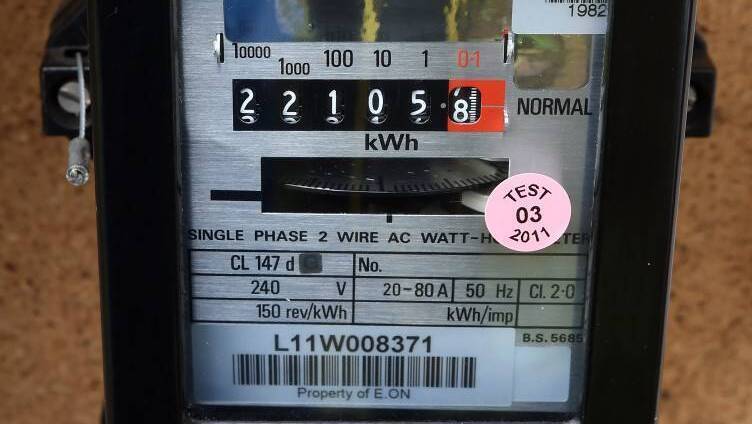
The current pay-as-you-go gas meters are coming to the end of their life and must be replaced, the CRU said.
The rollout of new pay-as-you-go gas meters that will allow households to top up online is set to begin next year, at a cost of €111m, the energy regulator has said.
The Commission for Regulation of Utilities said it would take about four years for the approximately 110,000 pay-as-you-go gas meters currently being used in homes around Ireland to be replaced with the new technology.
The CRU also said 60% of the cost would be recovered by Gas Networks Ireland via network tariffs, and the other 40% met by energy suppliers.
“The current gas PAYG meters are coming to the end of their life due to ageing and must be replaced,” the regulator said.
“Severe weather events and the covid-19 pandemic also illustrated the limitations of the current system, such as the inability of customers to top up remotely and difficulties in increasing emergency credit.”
The new meters will ensure a continued pay-as-you-go option for gas customers, with consumers still able to top up at a retail outlet, with a new option to top-up/vend online.
CRU said without this replacement project, the current meters would become obsolete and a gas prepayment meter would no longer be an option for customers.
The new meters will also give customers extra time to top-up/vend once their balance runs out to avoid disconnection and they will not be disconnected during designated friendly credit periods.
“Deployment of the meters is currently due to commence in 2027 and suppliers/GNI will contact customers in advance of meter deployment to inform customers when they will receive their new meter, how to use their new meter and, what this means for them,” CRU said.
It also noted that under the new meter system, customers may no longer be able to view their gas credit balance directly on the meter.
Suppliers will be obliged to provide an online platform for pay-as-you-go customers access their balance.
At least two disconnection warning messages will be sent to customers by their supplier prior to being disconnected, which must be at least a day apart.
Furthermore, suppliers will not be permitted to disconnect customers for non-payment in the first five business days after installation of a new meter.
The regulator also opted not to prioritise vulnerable and financial hardship customers for deploying the new meters.
“Any prioritisation of a particular customer cohort would likely result in significantly longer deployment timelines overall, and the risk that these customers would potentially face any operational issues in the early stages of the new meters being in use without potentially, any ready-made solutions available immediately,” it said.
“The CRU also noted that the currently envisaged GNI plan to commence meter deployment in the most heavily populated towns and cities first should, in theory, mean that a high proportion of vulnerable and financial hardship gas customers would have their meters replaced early in the deployment programme regardless of whether they have been prioritised or not.”
CONNECT WITH US TODAY



Be the first to know the latest news and updates