Giving smartphones to infants is morally wrong
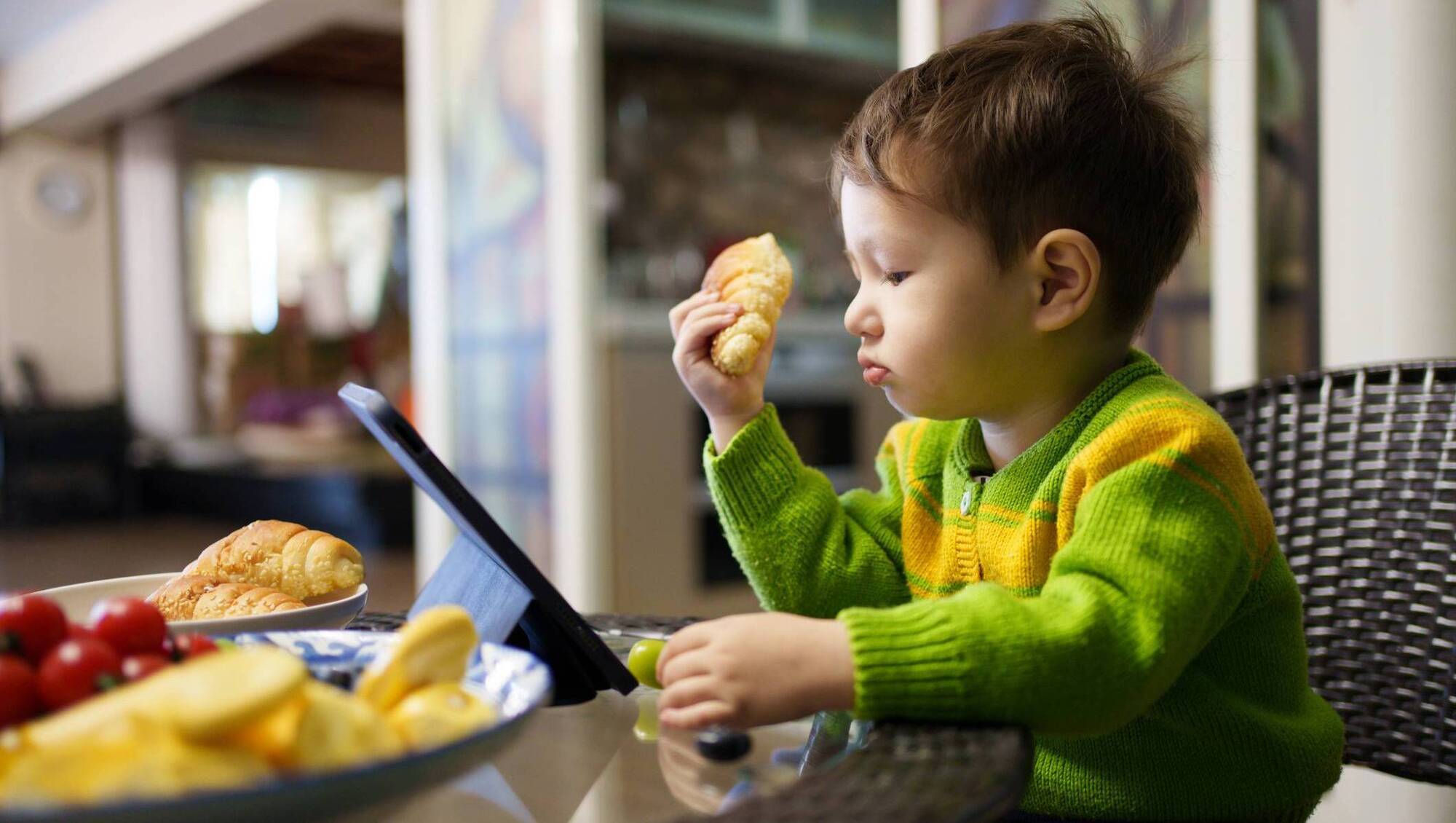
You don’t need to look far for evidence of infants and toddlers watching content on smartphones — on the street, in shops and cafes, places where they should be picking up information and social cues that are vital to their development.
One of the great privileges and pleasures of being a parent is the realisation your baby is a blank slate, a sponge primed to absorb everything around them and all that you can show and teach them about the world.
From naming the trees in the park to waving at a fire engine flying by, life becomes a shared voyage of discovery between adult and infant. So is there anything more depressing than being out and about and seeing a baby, not yet taking their first steps, but already glued to a smartphone?
Thanks to the recent social media ban for under-16s in Australia, we have been hearing much about the harmful effects of smartphone use on teenagers, with the Irish Government also considering restrictions as part of a wider EU initiative.
However, quite apart from the fact there’s no putting the lid back on that particular Pandora’s Box, what the debate has failed to take into account is that the issue of smartphone use now needs to be tackled way before secondary school and even primary school, before children even know what social media is.
They don’t even need to have the motor skills to hold a device, it’s common now to see babies transfixed by screens in holders attached to buggies or propped up on the tray of a highchair.
Often, their parent or carer will be scrolling on their phone too. The heartwarming sight of toddlers playing I Spy or singing is now increasingly being replaced by the sad spectacle of a baby with a glazed expression and the tinny sounds of a YouTube cartoon.
While there is a growing awareness of how parents using smartphones around their children can affect social and emotional development and language learning, there is a lack of data on actual use of devices by infants and toddlers. The negative impact is likely to be similar, however.
It is an issue experts have been warning about for years — when I spoke to the renowned sociologist Professor Sherry Turkle about toddlers using tablets almost a decade ago, she said: “Part of us knows that we need to be connected with our children, to be talking to them, but technology is coming in like a blocking agent at the most important moment of connection. We are denying them something truly crucial.”
No one is denying that there are times when babies need to be kept occupied and screens can be a godsend for frazzled and exhausted parents. Television was a de facto babysitter for previous generations, but those children didn’t carry a miniature version designed to be addictive out into the world with them everywhere they went. They were spoken to by adults and stimulated by an unmediated view of the world around them.
We have outsourced so many elements of our lives to tech companies, parenting now included, but blaming big tech is an easy out — personal responsibility still has a role to play.
Technology has enabled us to lead increasingly frictionless lives, but we can still choose to do the ‘difficult' thing — whether that is singing a nursery rhyme with a child, including them in a conversation with other adults or modelling how to behave when eating out rather than handing them a device to keep them quiet while you eat brunch or chat with your friends.
As a society, we now tiptoe around people’s feelings and shy away from being seen to judge people, but we should be able to say that giving a smartphone to an infant or toddler is unacceptable, bad for their development, and yes, morally wrong.
Education also plays a role — the detrimental effects of smartphone use from an earlier age should be taught in secondary schools along with media literacy. Primary care, from public health nurses to GPs, is another possible route for positive messaging.
We already know the damage that is done to the developing brain of a teenager, and we should be in no doubt we will soon discover the catastrophic effect use in infancy will have. Our children are growing up in a technology-driven world and we are still struggling to navigate that.
But we need to at least give them a fighting chance of reaching adolescence with the requisite emotional development and social skills that, like a lot of things now eroded by technology, we all once took for granted.
- Marjorie Brennan is a freelance journalist

CONNECT WITH US TODAY



Be the first to know the latest news and updates