Future Cork: A city's vitality is more important than regulatory perfection
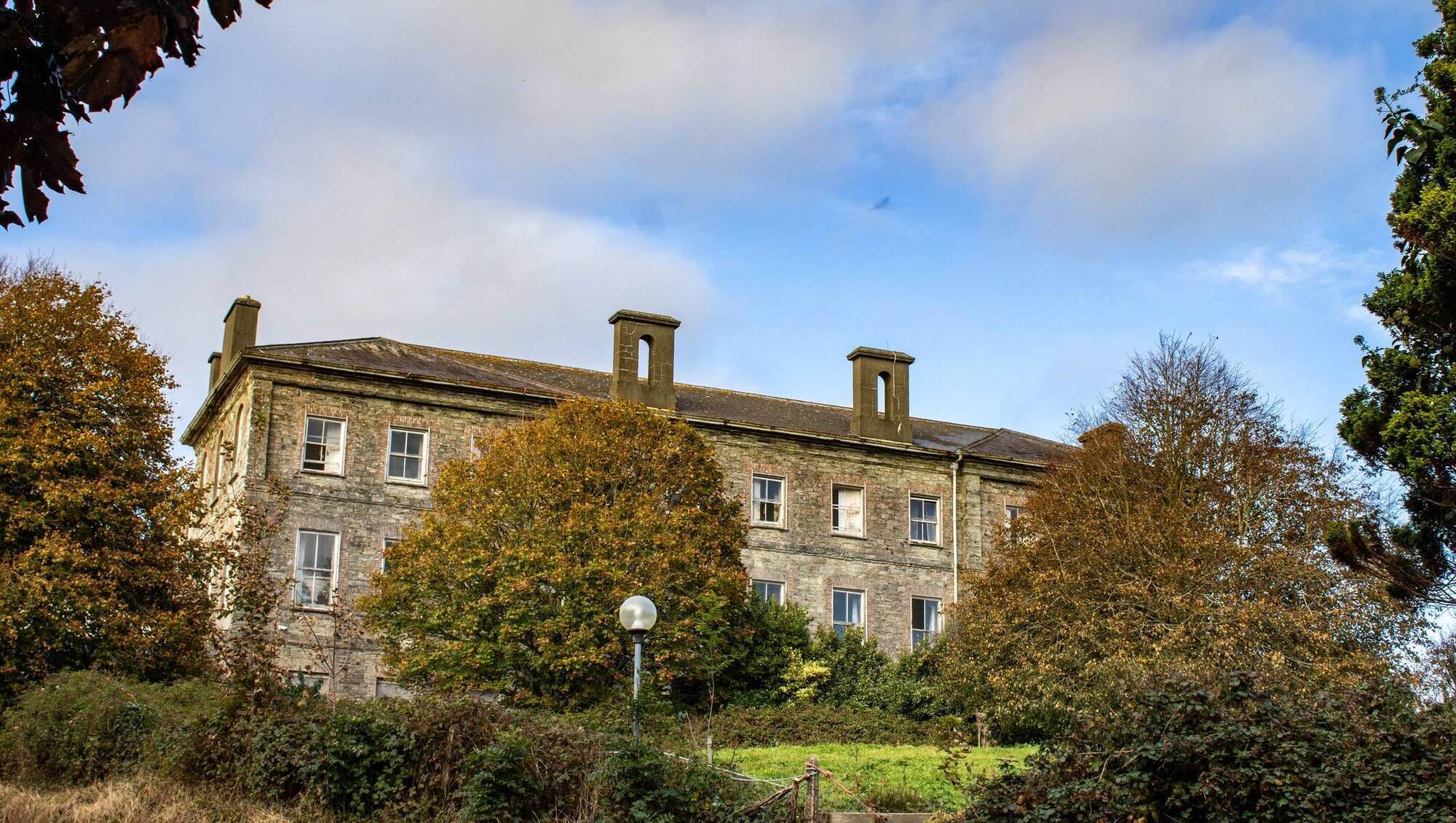
The Convent of the Sacred Heart in Scartagh, Clonakilty, Cork: My reverend mother friend may have been in an enclosed order, but she understood the outside world better than the bureaucrats. Cities without activity serve no purpose. Picture: iStock
Years ago, I was summoned by an enclosed order of nuns to offer professional advice regarding their beautiful Georgian convent. Located in the heart of an Irish city, though not Cork, the building was the very definition of a time capsule. It radiated an intensity of atmosphere I'd never before experienced.
But new fire regulations were threatening to put an end to the nuns' traditional industry: the baking of communion hosts.
The occasion was quite surreal. I sat alone at a giant table in a sombre room while a young novice whispered questions to me from a corner. I answered with a raised voice, ensuring the reverend mother, who was listening from an adjacent room, could hear what I had to say.
My message was sobering: high-temperature ovens in a 200-year-old building were considered a risk too far in the regulation-focused Ireland of the Celtic Tiger. Expensive upgrades would be necessary.
Eventually, the Reverend Mother had heard enough. Her voice erupted from the next room with an authority that stays with me to this day: "Mr Architect, there have been nuns making communion hosts in this building for 200 years and not one of them has ever died in a fire."
As an architect, I could never advise a client to maintain a dangerous building: regulation is the safety net that keeps us from harm. Yet I found myself firmly on her side. The rulebook threatened to hollow out the convent's meaning; without the bakery, a large wing would fall empty and a vibrant tradition would vanish. I left the meeting feeling I'd been as professional as possible but deeply unsettled that I wasn't doing the right thing.
That tension between safety and vitality haunts me still. Without life, buildings are just expensive piles of masonry. To keep cities alive, we must ensure people remain in them, specifically in those upper floors we so often ignore.
It's a problem of our own making. We aspire to the continental hum of late-night cafes and corner bistros, yet we shackle ourselves with a regulatory regime that makes such vibrancy nearly impossible to achieve.
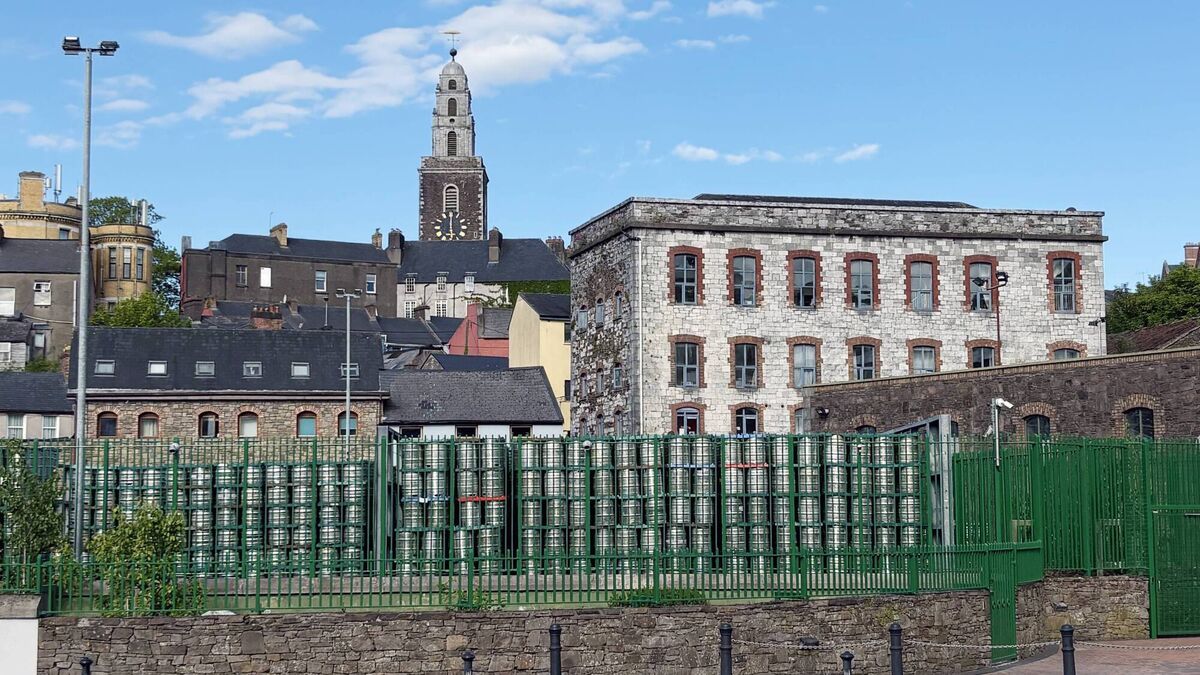
The predicament was perfectly illustrated by the ongoing proposals to renovate St Patrick's Buildings. The structure itself is modest in scale, but the impact it makes on its landmark site at the very heart of the city is memorable.
Many's the time I've passed that building and thought how wonderful it would be to live in it. Yet because of our obsession with regulation, we spent years arguing why people shouldn't live there.
When it comes to maintaining urban vitality, we don’t make things easy for ourselves. An owner wishing to renovate an older building must wade through a chorus of demands: fire safety, universal access, minimum floor areas, and protected status. By the time regulation compliance is reached on paper, the project is no longer financially viable. The effort simply ceases to be worth it.
Over the years, the State's response has been to throw another 'renewal scheme' at the problem: 'Croí Cónaithe' or 'Living Over the Shop'. But for those who've experienced them, these schemes merely add another layer of bureaucracy to the pile. They treat the symptoms while the underlying disease, regulatory overreach, remains untouched.
Other cities struggle with the very same problem but often to better effect. The inner-city energy of Berlin, Paris or Barcelona survives because those communities start from a different position: their first concern is to ensure continuous use.
Once commitment to use is confirmed, they figure out ways to make it reasonably safe. Even New York's clunky external fire escapes, retrofitted to 19th-century brownstones, have become emblematic of a city that decided its own vitality was more important than aesthetic or regulatory perfection.
My reverend mother friend may have been in an enclosed order, but she understood the outside world better than the bureaucrats. Cities without activity serve no purpose.
The lesson for our urban centres is clear: the greatest act of preservation is not another grant or tax incentive, it is simply allowing life to happen, even when the rulebook says no.
I was never asked back to that convent, but I hear on the grapevine it survived my advice and is still going strong.
- On Friday, February 27, the will present 'Future Cork', a flagship event bringing together leaders, innovators, and changemakers to explore the opportunities and challenges that will shape Cork’s next decade.
- This article is part of the Future Cork series.

CONNECT WITH US TODAY



Be the first to know the latest news and updates