Collaboration at the heart of Cork County Council’s ambitious development plans
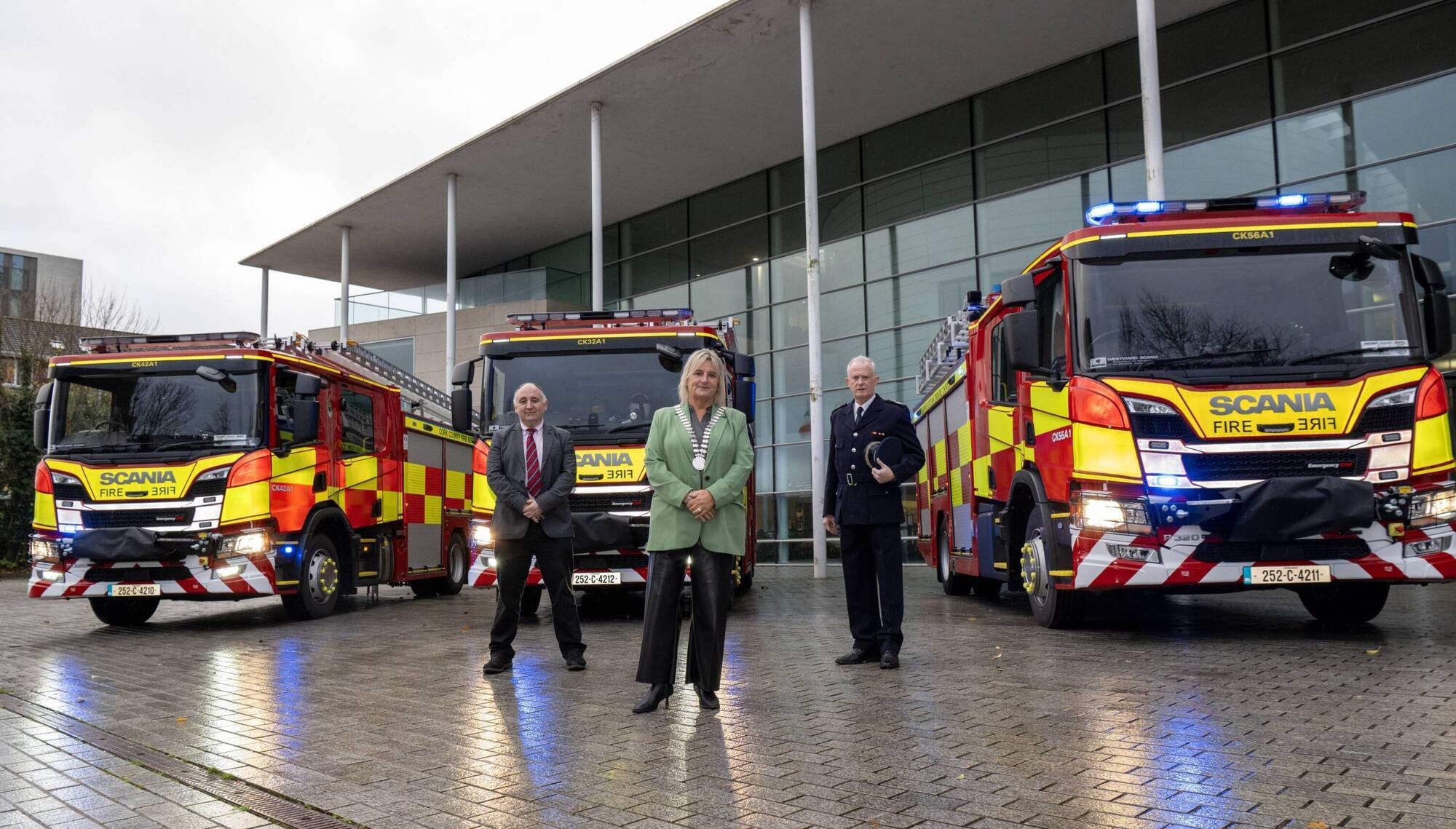
Cork County Fire Service took delivery of three new fire engines to serve the communities of the County of Cork in November. Pictured at the Cork County Hall were the Mayor of the County of Cork, Cllr. Mary Linehan Foley along with A/Divisional Manager, Keith Jones, Cork County Council and Chief Fire Officer, Andrew Macilwraith. Pic: Brian Lougheed
Cork County Council plays a central role in shaping the county’s development and ensuring its long term prosperity. With ambitious housing delivery, expanding community amenities, and landmark projects across a county that is diverse in its needs, Cork is transforming at a scale that matches its potential.
The Council, collaborating with other agencies, is leading the way in supporting communities, providing frontline services and amenities for our citizens, developing supporting infrastructure on a small and large scale and tackling flooding and climate issues.
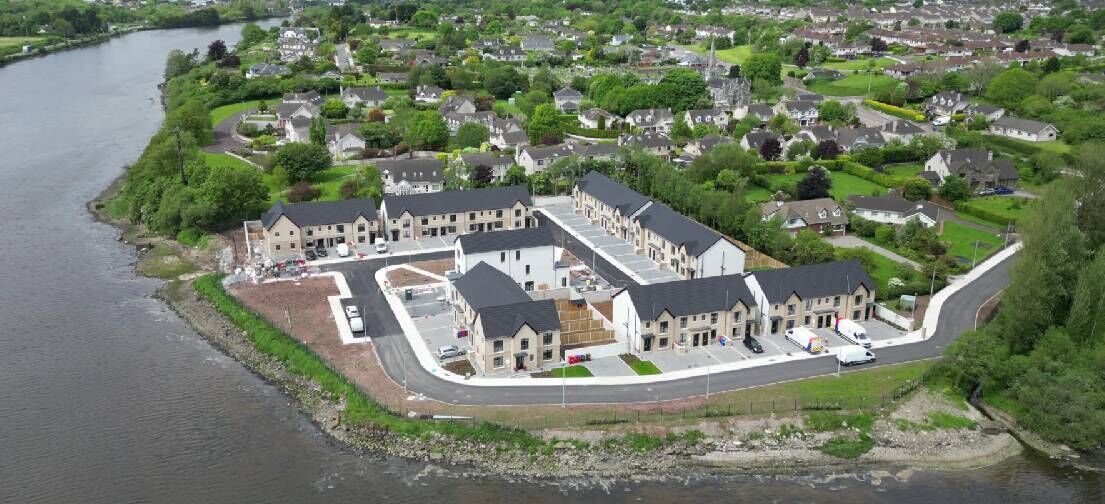
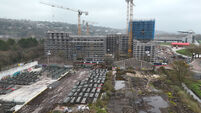
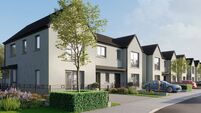
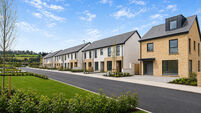
Delivering more homes remains a core priority for Cork County Council, with 2,200 units at various stages from planning to delivery and the Council has identified major land sites to activate early housing delivery.
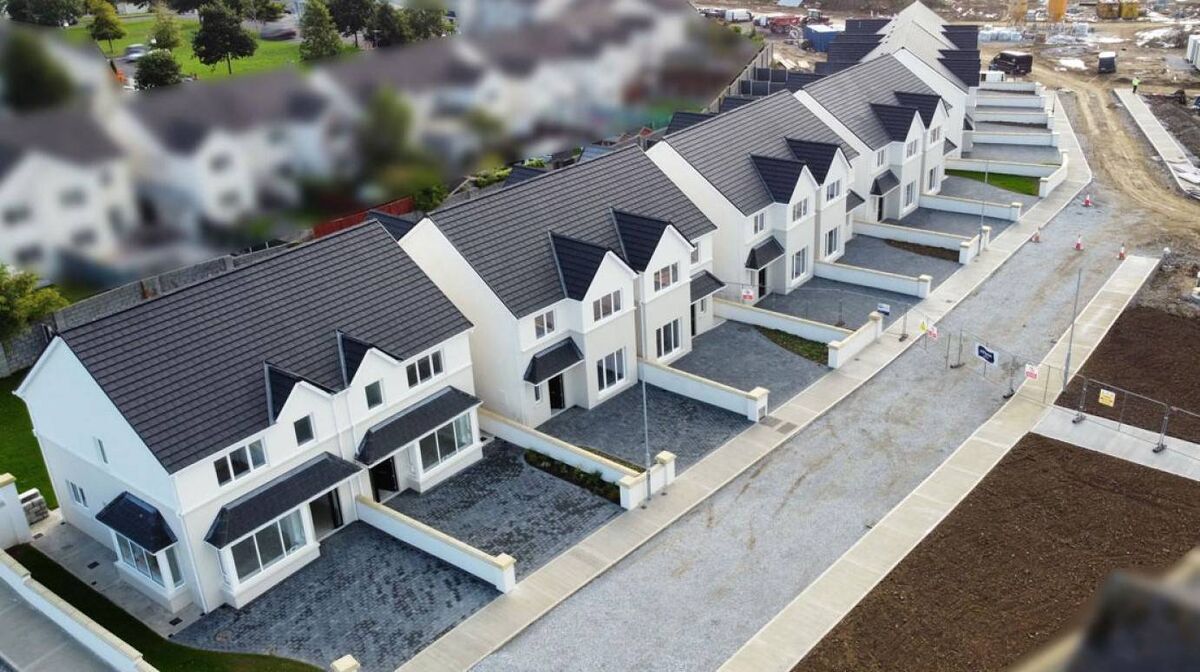
In 2025, strong progress was made across the housing programme, with a particular focus on Affordable Housing schemes that have generated significant interest.
The Council also drove vacancy reduction, approving 1,013 refurbishment grant applications, issuing €15.4 million in payments, and completing energy upgrades on 166 homes. Key housing supports, including HAP, RAS and Traveller Accommodation, continued throughout the year.
In 2026, new Affordable and Cost Rental projects, expanded vacancy supports, regeneration efforts and a strengthened landbank will drive further delivery.
A countywide zoning review, due for completion this year, will identify substantial additional serviceable lands to support sustainable future growth and an increase in housing delivery. The Council remains focused on engaging with other agencies to ensure that new homes are matched with the key essential infrastructure, transport, water, wastewater and community facilities, needed to support vibrant, well-connected, sustainable communities.
Strengthening the infrastructure that connects Cork is a central focus. A major step forward came with the start of construction on the €456 million M28 Cork-Ringaskiddy project, set to deliver 11km of new road by summer 2028.
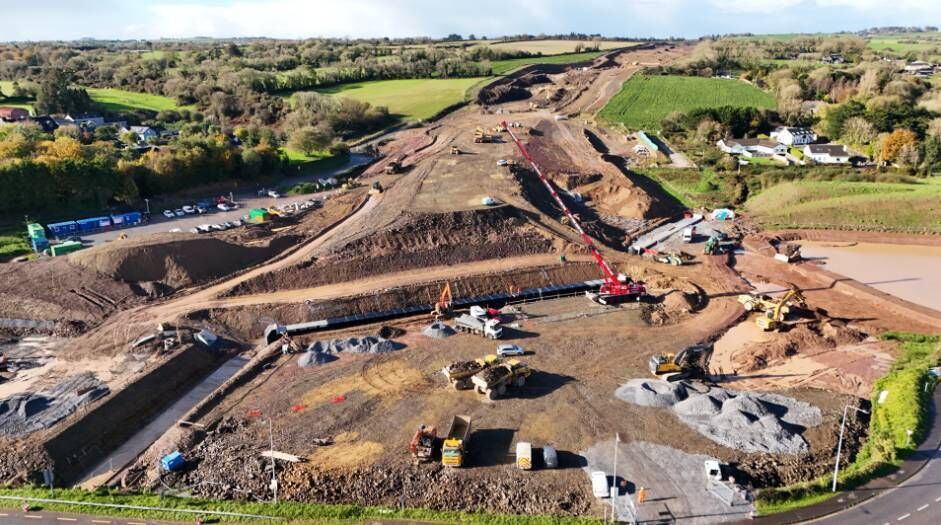
Progress also continues on the R624 Great Island Connectivity Scheme for Cobh, now moving into the planning phase with consultant appointments imminent. Several other strategic projects are lined up for advancement in2026, including the Cork–Limerick M20, the N25 Carrigtwohill-Midleton and Midleton-Youghal upgrade, the Mallow Relief Road and N71 Innishannon. Bandon & Bantry Bypasses.Alongside these major schemes, the Council remains committed to community level improvements, with funding supporting a range of smaller infrastructure projects that will make a meaningful difference to towns and villages across the county.
Economic development is a key area for the Council, with Cork’s diverse economy powered by strong SMEs, a thriving agri-food and tourism base, and robust FDI employing around 50,000 people across Cork. Small businesses continue to perform strongly, with 436 new jobs created in 2025 through Local Enterprise Office supports, marking the 11th consecutive year of growth.
Cork County Council also operates flexible work hubs in Bantry, Cobh, Fermoy and Mitchelstown – helping to anchor local business activity.
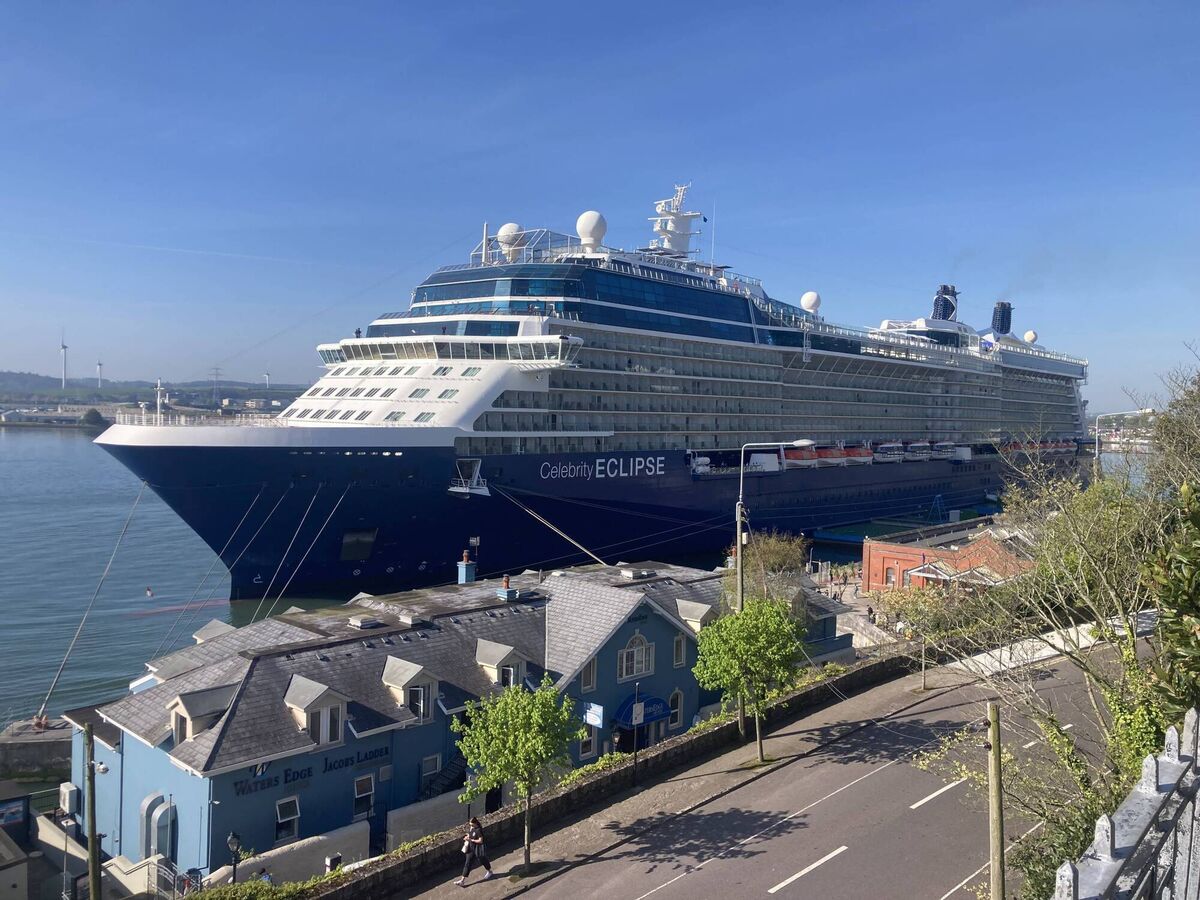
Cork’s landscapes, heritage and culture make it one of Ireland’s key destinations, and Cork County Council continues to work with Visit Cork and Fáilte Ireland to strengthen that appeal. In 2025, the Council supported over 70 festivals, boosting local creativity and tourism across the county. Work begins this year on the new Claycastle Water Facility Activity Centre, while public realm upgrades in Bantry are enhancing its role as a standout Wild Atlantic Way destination.
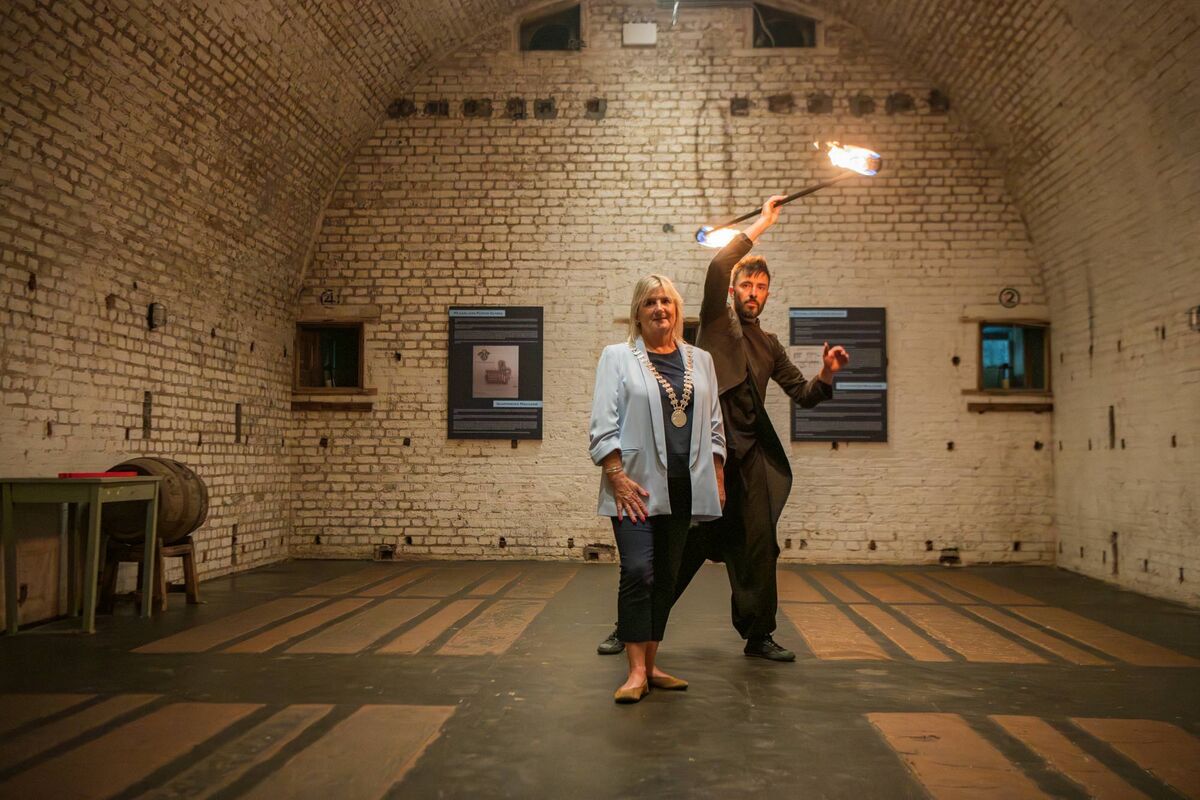
Investment in heritage-led regeneration is also advancing. Through the Rural Regeneration and Development Fund, €772,000 has been secured to progress plans for transforming the derelict Old Steam Mill in Skibbereen into a famine story and exhibition centre, with further development expected in 2026. Some €340,000 was awarded under the same fund for Camden Fort Meagher and will be used to create a heritage sensitive Regeneration Plan for this large-scale site dating back to 1690 to significantly enhance the visitor experience Greenway projects continue to progress, and Council owned attractions reported strong visitor numbers throughout 2025.
The Council works closely with Fáilte Ireland on Destination Experience Development Plans to deliver multiple Town and Village Renewal projects. Alongside this, Cork is promoted as a vibrant place to explore - home to rich culture, a dramatic coastline and the world’s second largest natural harbour.
Iconic sites such as Camden Fort Meagher, Cobh Heritage Centre, Dursey Island Cable Car, Harper’s Island Wetlands, Kinsale Museum, Mallow Castle, Michael Collins House and Trail, Skibbereen Heritage Centre, Spike Island and Youghal Clock Gate Tower showcase the county’s unique character. Continued collaboration with Tourism Ireland, Fáilte Ireland and local stakeholders ensures these attractions drive footfall, support local economies and strengthen communities.
One standout achievement in 2025 was the arrival of cruise ships to Schull and Baltimore, bringing new visitors to West Cork and showcasing the region’s growing international appeal.
Fáilte Ireland, in partnership with Cork County Council, Cork City Council and the Port of Cork, is developing a Cork Harbour Tourism Plan aimed at transforming the visitor experience and positioning Cork Harbour as a world class sustainable destination.
Looking ahead, Cork County Council is focused on strengthening business growth and tourism through a range of programmes designed to enhance local infrastructure, upgrade key amenities, and create even more reasons for visitors to explore and return.
Regeneration planning is progressing countywide. Vision Statements and Town Centre First Plans have been advanced for Mitchelstown and Kanturk. This was done in Skibbereen too - already securing €3 million for regeneration projects in the town - with Macroom and Bantry Vision Statements to follow in 2026. This work, developed in partnership with local Town Teams, ensures communities shape the future of their towns while strengthening their position for national funding opportunities.
The Council is also driving town-centre renewal. By the end of 2025, 2,879 properties had been assessed for vacancy, with 1,436 confirmed vacant and active engagement is now underway with owners to unlock financial supports. Since 2022, 1,468 refurbishment grants worth €17.3 million have been approved to bring long-term vacant homes and buildings back into use.
Cork County Council is investing heavily in frontline services, including our Fire Brigade and outdoor crews to make our communities feel safe including the delivery and planning of several modern fire stations across the county. In January 2026, a major milestone was reached with the official opening of the new Clonakilty Fire Station, a state-of-the-art facility on Park Road that replaces the 80-year-old Kent Street station. The new building, which serves more than 18,000 people, provides expanded appliance bays, modern training rooms, and improved welfare amenities for the 12-strong crew, significantly enhancing the brigade’s capacity to respond to the roughly 150 emergency incidents they attend each year.
This investment is part of a broader modernisation programme that has already delivered new fire stations in Kanturk and Macroom, both completed and officially opened in 2022. These signal the council’s sustained commitment to upgrading emergency service infrastructure and providing firefighters with safer, more functional operating environments.
Looking ahead, plans for a new fire station in Dunmanway are advancing, with formal planning set to begin in 2026.
Further proposed upgrades include new stations for Charleville, Mitchelstown, and Youghal. These projects have been identified in the Council’s submissions for the 2026–2030 Fire Services Capital Programme.
The Council is planning in acknowledgement of the impacts of Climate Change on our coastal and flood-prone areas.
Cork County Council recognises the severe impact Storm Babet had on communities across East Cork and remains fully committed to supporting residents as long term protections continue.
Since October 2023, the Council has been working closely with the OPW to advance major flood mitigation measures for Midleton and the wider area. The Major Midleton Flood Relief Scheme is progressing steadily, with a planning application to An Coimisiún Pleanála due in 2026. The project has also received a “Minded to Determine” notice from MARA for its required marine area consent, an important milestone.
While this large-scale scheme moves through the statutory process, the Council has delivered extensive interim works. These include replacing non-return valves, installing temporary defences in Woodlands, clearing obstructions and vegetation from river channels, and installing new river level gauges and weather stations, now providing real-time data to the public.
The Council is also advancing the Individual Property Protection Scheme, supporting 725 properties across Midleton and East Cork, the largest initiative of its kind in the State.
Further works are planned this year, including the approved flood defence project at Tir Cluain, which will protect 135 homes. During severe weather, Council crews continue to provide on-the-ground support, early warnings and round-the-clock monitoring.
Cork County Council remains committed to working with residents, businesses and all partners to strengthen flood resilience across the region.
Building on a strong record of delivering major capital and community infrastructure, the Council continues to enhance cultural, educational, environmental, and recreational amenities across the county.
A major milestone has been the opening of the new three-storey Kinsale Library, created through the redevelopment of the historic James O’Neill Building. The facility is significantly larger than its predecessor and now offers over 25,000 items, dedicated event and exhibition spaces, and extended self-service opening hours through the My Open Library service.
In Midleton, the town’s historic former market house, now Midleton Library, has undergone comprehensive refurbishment, preserving its 18th century architecture while supporting modern, accessible library services for the community.
Macroom has also benefited from the complete redevelopment and reopening of the Briery Gap Theatre and Library, transforming the fire-damaged building into a modern cultural hub with a 215-seat auditorium, upgraded technical facilities, and a bright, accessible library space.
Recreational infrastructure is expanding. In Dunmanway, the Council has purchased land at the West End for community use, while in Mallow, a major multimillion euro refurbishment of the swimming pool is underway, delivering modernised changing areas, upgraded mechanical and electrical systems, improved energy efficiency, and an enhanced visitor experience.
On Cape Clear Island, the long-established Leabharlann Oileán Chléire has been officially reopened in a new modern facility at North Harbour. Originally founded in 1978, the library had relocated several times before its recent closure in 2023. The newly refurbished library now features improved spaces for reading and events, a dedicated community meeting area, and modern digital services supported by Starlink satellite connectivity, ensuring reliable access to PC, printing, and WiFi services equivalent to mainland branches.
Together, these investments reflect the Council’s commitment to strengthening Cork’s cultural, social, and physical infrastructure. In a period of great opportunity for the county and wider region, strong partnerships, innovation, and shared ambition continue to drive progress and enhance quality of life for communities across Cork.
Cork’s remarkable diversity, spanning vibrant urban centres, rural heartlands, and uniquely resilient island communities, continues to shape the county’s strategic vision for inclusive and sustainable development.
As part of this commitment, work is underway on an updated West Cork Islands Strategy in partnership with the West Cork Islands Interagency Group, which brings together a range of organisations from both the islands and the mainland.
This collaborative approach is designed to support the sustainable economic, social, and cultural development of West Cork’s seven inhabited islands: Chléire, Bere, Whiddy, Dursey, Long, Sherkin, and Heir.
Through these efforts, Cork County Council is championing tourism, community vitality, and economic opportunity across the full breadth of West Cork.
All of Cork County Council’s varied work is done under the democratic mandate of its 55 Elected Members and the broad range of services delivered by its 2,700 staff. Elected Members represent communities across our eight Municipal Districts and play a central role in policy development, oversight, and reserved functions.
The Council’s workforce spans administrative, professional, technical, and outdoor roles, providing frontline services and essential supports.
Both Elected Members and staff are dedicated to ensuring that all Council business is carried out with transparency and strong governance.
Cork County Council is committed to delivering high-quality services and supports for the people and businesses of Cork.
Our county is an exceptional place to live, work, and raise a family, offering a strong environment for enterprise alongside an outstanding quality of life for all who call Cork home.