New Garda powers bill could conceal abuses
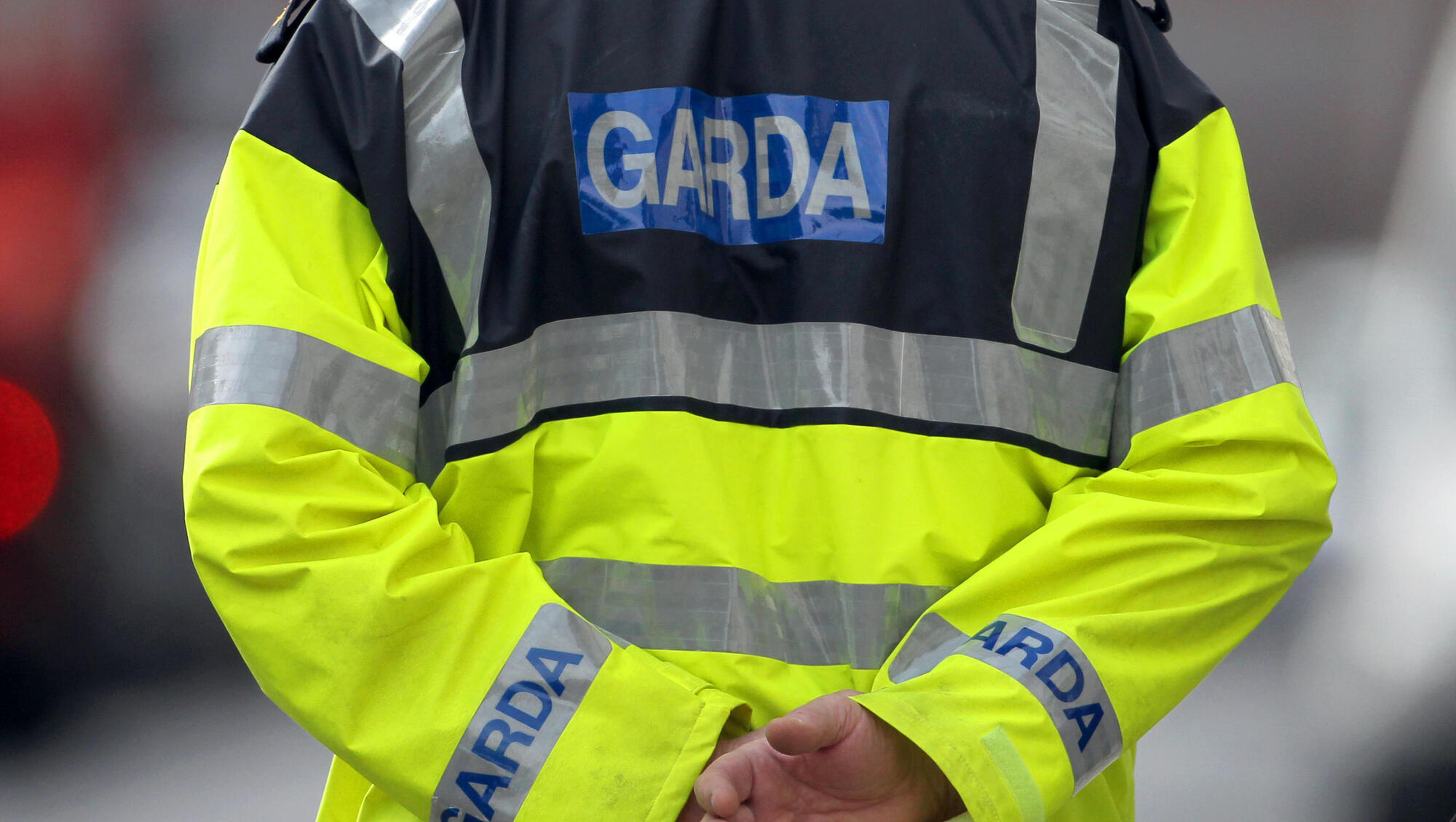
Gardaí already possess exceptional and highly intrusive powers to stop, question and search individuals, and to seize their possessions.
Over the Christmas holiday, the minister for justice quietly released an updated version of the Garda Síochána (Powers) Bill 2026. This bill seeks to recodify a range of existing Garda powers into a single piece of legislation.
This fulfils a key recommendation from the Commission on the Future of Policing, which felt recodifying Garda powers in a single legal instrument would benefit both gardaí and the public.
Currently, most Garda powers are contained within specific statutory offences. This, so the thinking goes, can make it hard for gardaí to locate their powers, such as the power to stop and search someone suspected of committing a crime.
It also makes it hard for those subject to such searches to question the legal basis of it for themselves. The bill, if enacted, would create general Garda powers of stop, search and seizure. The bill also makes significant changes around the rights of people in Garda custody, or subject to Garda interview.
This bill builds on an earlier version, and attempts to address issues identified in that proposed legislation. In particular, it attempts to address criticisms of Garda practices of recording use of their stop and search powers. In my view, it fails, in remarkable ways, to address these issues.
Gardaí already possess exceptional and highly intrusive powers to stop, question and search individuals, and to seize their possessions. Sections 8, 9 and 10 of the bill merely recodify these existing powers as general powers. The new bill should make it easier for gardaí and the public to see for themselves what those powers are.
The bill does set out a right of people who are searched to be given reasons for that search. If enacted, this will be the first such standalone statutory right, and its inclusion is to be welcomed. Until now, Irish courts have established similar rights, but finding those rights required some legal knowledge. A statutory right located here should make it easier for the public to see what their rights are.
Curiously, however, this right of the public does not extend to the Garda powers to demand someone’s name, address and date of birth (section 8). While not as intrusive as search powers, the power of gardaí to demand such information under threat of punishment is still highly exceptional and intrusive, and pierces constitutional and human rights.
It is unclear why the minister for justice believes someone subject to such intrusion by the State should not also be given reasons for that intrusion. The bill should be amended to give an express right to this reason.
Section 13 breaks significant new legal ground in placing a legal duty on gardaí to make a record of stops and searches. Though, again, this duty does not extend to use of Garda powers to demand personal information under section 8.
It is similarly unclear why gardaí should not be required to record use of such an intrusive power, and the bill should be amended to cover such powers.
There are, however, more concerning problems with this proposed duty on gardaí to record use of their powers.
If enacted, this provision will require gardaí to record information about the people they stop and search, specifically the person’s name, their address, their date of birth, the time and reason for the search, and the outcome of the search (ie what, if anything, was found and seized).
This much is welcome.
Assuming the disaggregated metadata is published (more on that below), it will allow us for the first time in Ireland to get some sense of how frequently gardaí are using their intrusive powers of stop and search.
Because of an absence of reliable and consistent data on use of these powers, An Garda Síochána is largely incapable of adopting basic evidence-based policing practices. Evidence-based policing is the international best practice standard for policing.
The data from this proposed recording duty will enable us to start assessing how effective (or, as evidence from other jurisdictions shows, ineffective) Garda uses of stop and search powers are in detecting and preventing crime.
Section 13 does not, however, oblige gardaí to gather other key information — the duty to record does not include the gender, race, ethnicity, or nationality of those subject to Garda search. This omission is shocking, perplexing and deeply concerning.
An Garda Síochána has repeatedly been criticised (including by the Policing Authority) for failing to gather this exact information. Such recording has also been called for by the Joint Oireachtas Committee on Justice. It is routine in other countries, such as the UK (including over the border in Northern Ireland) and the USA.
An Garda Síochána has repeatedly and vociferously denied it engages in racial profiling, despite studies finding it does. Where it does engage at all with these independent studies, it bases its denials on the absence of data.
For those of us working in the field of criminal justice, this is an extraordinary and cynical defence by An Garda Síochána. After all, the absence of data is due exclusively to the failure of gardaí to gather the data — an absence of data cannot prove anything, either way.
In response to criticisms about its failure to collect this information, An Garda Síochána and the Department of Justice have claimed it's impossible to gather such data without a specific statutory power. Yet, in this most significant reform of Garda powers since the creation of the force, the minister for justice has not created such a power.
As currently drafted, the bill would continue to allow gardaí to hide behind the absence of data to dispute well-evidenced findings of racial profiling and racist policing practices. The question must be asked: why?
The bill does not place any obligations on An Garda Síochána to publish the metadata generated from recording of power uses.
An Garda Síochána and the Government now routinely acclaim the force for being "human rights focused" and "transparent". However, when compared to comparator jurisdictions such as England and Wales, An Garda Síochána is a relatively closed police force in terms of the information it makes routinely publicly available.
The force has never, on its own, published data regarding the use of its own powers, and requests for relatively uncontroversial information are often refused due to "operational considerations".
Without a specific statutory duty to publish disaggregated metadata on use of stop and search powers, An Garda Síochána can continue to avoid making public data that may reflect poorly on the force.
If An Garda Síochána really is the human rights-focused and democratic force it claims to be, then the bill must be amended to obligate it to routinely publish such disaggregated data.
- Dr Cian Ó Conchubhair is assistant professor of criminal justice at the Department of Law in Maynooth University


CONNECT WITH US TODAY



Be the first to know the latest news and updates