We don't need more road safety laws, we need enforcement

Grace Lynch deserves to have her memory honoured with road safety policies that are evidence-based, proportionate, and proven to save lives.
Ireland does not have a road safety law problem. It has a major enforcement problem, and the consequences are now measured in lives lost.
The tragic death of Grace Lynch in Finglas, struck by a scrambler bike, brought that reality into sharp and painful focus. It should never take the death of a child to force us to confront hard truths, but here we are again — shocked, grieving, and asking how this was allowed to happen.
The uncomfortable answer is it was allowed to happen because we tolerated it.
Across Ireland today, thousands of illegal scramblers, e-motorbikes and high-powered e-scooters are being used on public roads, cycleways and footpaths. Many are effectively electric motorcycles — capable of high speeds, often throttle-controlled, almost always unregistered and uninsured. They are not e-bikes in any meaningful or legal sense, yet they are routinely treated as if they were.
Irish and EU law is, in fact, very clear. A legal e-bike is a pedal-assist bicycle with assistance cutting out at 25km/h. Anything beyond that is a mechanically propelled vehicle and must meet the same basic requirements as other motorised vehicles: registration, insurance, licensing and enforcement.
Stand on a street in your locality. If you see a two-wheeled vehicle travelling at speed without the rider pedalling, it is not an e-bike as the law understands it. And if it does not display registration and insurance, it has no lawful place on our roads, cycleways or footpaths.
So our problem is not the absence of legislation. It is our consistent failure to enforce it.
Against that backdrop, suggestions the Government may respond by making helmets and high-visibility clothing mandatory for all e-bike and e-scooter users represent a profound misreading of the problem, and a familiar one.
When confronted with a complex road safety challenge, we too often reach for the most visible response of all: placing new legal obligations on those already at greatest risk.
Helmets are sensible. Many people choose to wear them, and encouraging helmet use through education, incentives and availability is entirely reasonable. But presenting mandatory helmets and hi-vis as a serious road safety intervention is misleading. It is performative policymaking that diverts attention from real risks and risks making our streets less safe, not more.
The greatest danger to people cycling or using scooters does not come from their clothing or headwear. It comes from motor traffic speed, volume and road design. Helmets do not prevent collisions. High-visibility clothing does not slow vehicles, fix junctions or address dangerous overtaking.
That shift is already visible. In Irish courts and inquests, injured or deceased cyclists have had their behaviour scrutinised through the lens of helmet use or visibility, even though neither is legally required. In civil cases, damages have been reduced on that basis.
In fatal collision inquests, coroners and juries have been invited to note whether a person killed was wearing protective or visible clothing, sometimes even recommending their use despite no evidence they would have prevented the collision.
Criminalising non-use would lock this dynamic into law. The aftermath of a collision would centre not on the causes of danger — speed, road design or driver behaviour — but on the clothing worn by the person injured or killed. That is not prevention. It is a policy choice that redistributes blame rather than reducing risk. It is also deeply irresponsible.
Mandatory helmet and hi-vis policies also reduce uptake of safer, cleaner transport. International evidence from countries like Australia and New Zealand consistently shows such mandates discourage casual users, short trips and shared-mobility use.
E-scooters and shared e-bikes work precisely because they are spontaneous. Requiring people to carry specialist equipment “just in case” suppresses use, pushes journeys back into cars, and undermines public health, congestion and climate goals.
Fewer people cycling or scooting does not make roads safer. It makes them more car-dominated, and more dangerous overall.
The evidence for mandatory high-visibility clothing is particularly weak. While it sounds intuitive, real-world evaluations show little or no impact on collision rates. Visibility is primarily a function of speed, lighting, street design and driver expectation, not clothing colour.
There is also a very real opportunity cost. Garda resources are finite. Every hour spent policing helmets and clothing is an hour not spent tackling speeding, red-light running, dangerous overtaking, or the widespread use of illegal, high-powered electric vehicles masquerading as e-bikes and e-scooters.
Ireland’s most urgent e-mobility problem is not helmet compliance. It is the tolerance of vehicles that are already illegal, operating in plain sight every day.
We have created a strange parallel reality where road safety law is now applied selectively. Cars are taxed, insured, tested and policed. Yet powerful illegal vehicles tear through housing estates, weave through traffic, and use footpaths and cycleways with little meaningful intervention. Communities complain. Gardaí are frustrated. And the system shrugs.
Ireland likes to see itself as a country that takes road safety seriously. We speak about Vision Zero and shared responsibility. And yet someone still dies on our roads every 48 hours. That is not a historical problem. It is a present one.
If we are serious, truly serious, about saving lives, then we must focus on where danger comes from, not where harm is suffered. That means enforcing existing laws, fully resourcing roads policing, lowering speeds where people mix with traffic, seizing illegal vehicles and designing streets that forgive human error.
Grace Lynch deserves to have her memory honoured with road safety policies that are evidence-based, proportionate, and proven to save lives. In saying "never again" we must mean it, by confronting the real sources of danger on our roads and acting with the courage to address them.
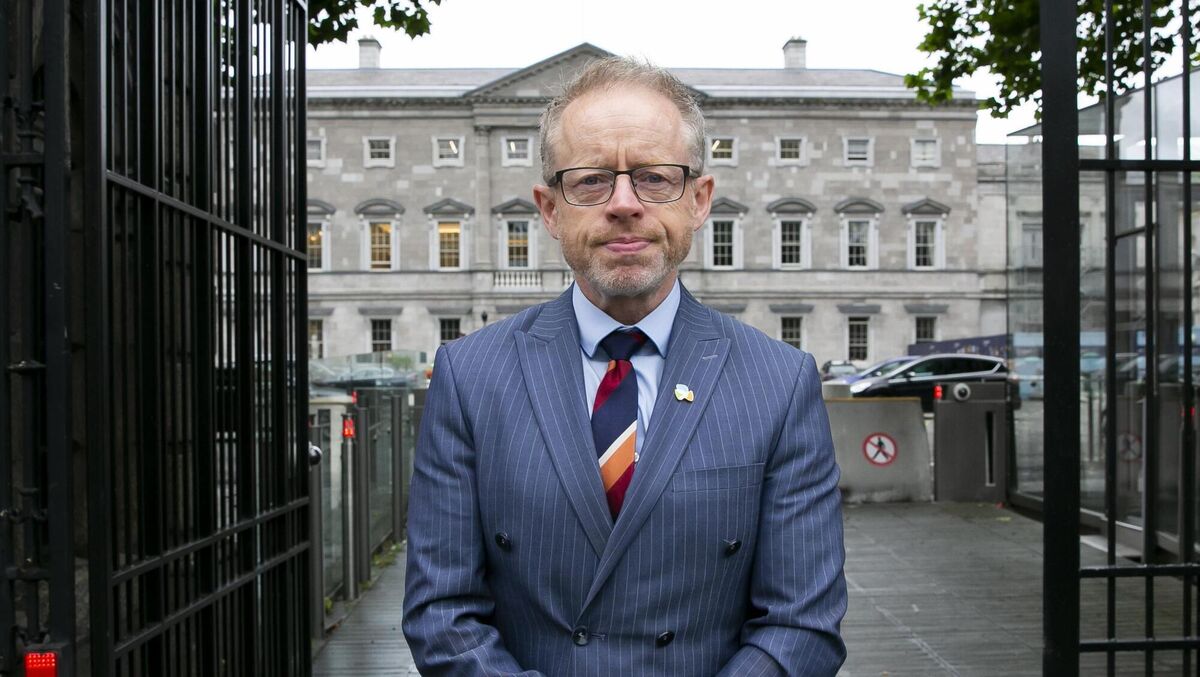
- Ciaran Cannon is president of Cycling Ireland and a former minister of state


CONNECT WITH US TODAY



Be the first to know the latest news and updates