Ireland has more stillborn babies than road deaths every year, Oireachtas committee told
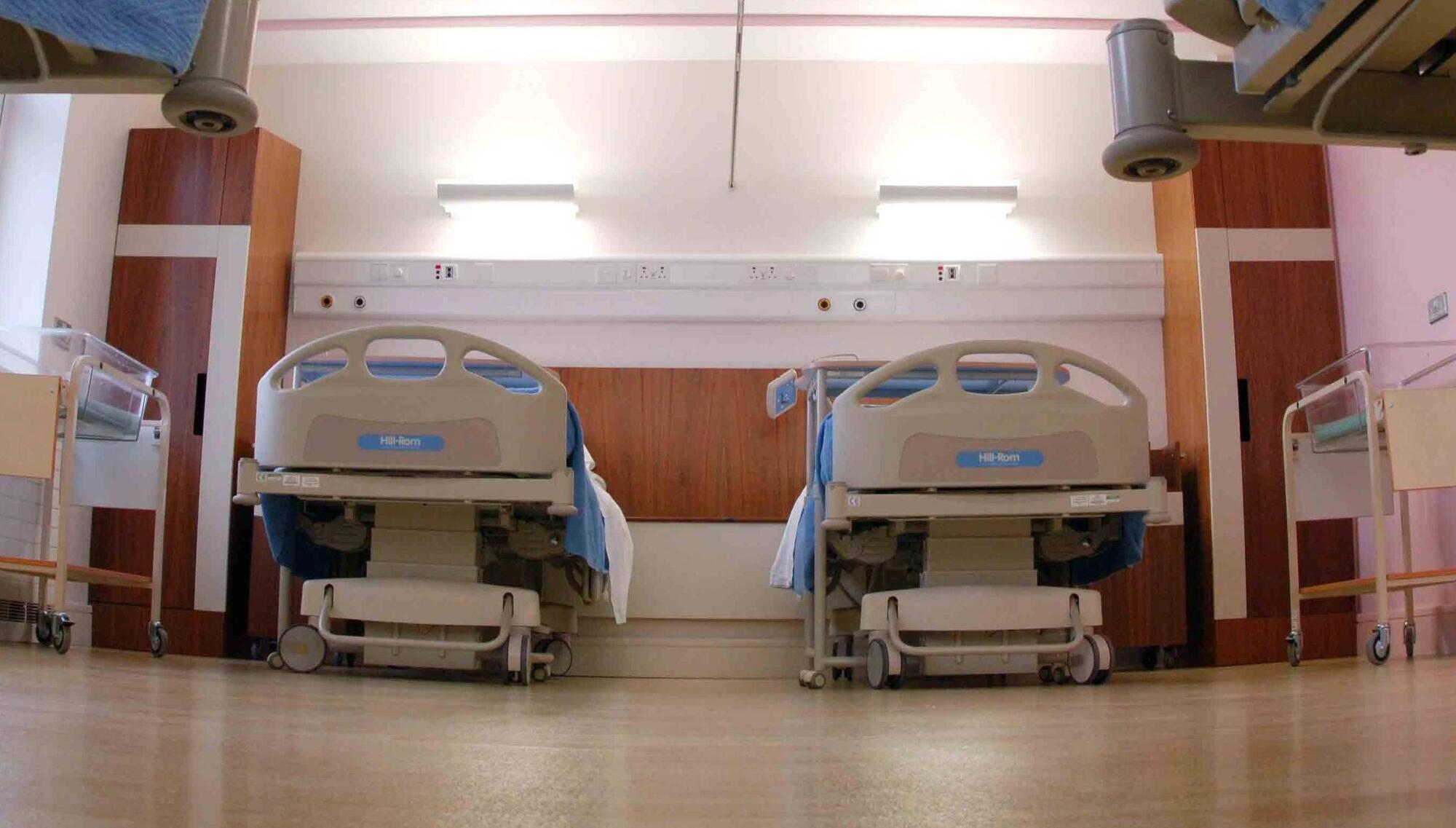
Shortages of midwives and public health nurses were raised by a number of speakers at the Oireachtas health committee. File picture: Denis Scannell
More babies are stillborn or die within a month of being born in Ireland every year than people die on the roads, a bereaved mother warned on Wednesday.
An Oireachtas health committee has been told by bereaved parents, doctors and nurses that maternity services do not need more plans but rather urgent action on all of the now decade-old 2016 maternity strategy.
It also heard from senators Nicole Ryan and Tom Clonan on their personal experiences with pregnancy loss and how services could be improved based on this trauma.
Cork woman Mairie Cregan, of Feileacain the stillbirth and neonatal death charity, discussed the need to raise awareness of preventable baby deaths. “Let us start with a statistic that is stark and largely unknown,” she said.
“In Ireland, more babies are stillborn, which means that they die in utero on or after 23 weeks of pregnancy or they die within the first 28 days of their life than people tragically die on our roads annually.”
Read More
She added: “While we have all seen the powerful road safety campaigns by the RSA, baby deaths remain heartbreakingly in the shadows, thereby missing opportunities to improve bereavement care and end preventable baby deaths.”
In her own case her daughter Liliana died the day before she was due and son James died in the mid-trimester of pregnancy.
Her colleague Anne-Marie Farrell called for more structured education so women recognise potential signs their baby is in trouble. She showed the HSE’s pregnancy handbook to the committee with few references to stillbirth compared to other risks.
Professor Keelin O’Donoghue lead, Pregnancy Loss Research Group, University College Cork, said this is a “significant” challenge.
“I think unfortunately all aspects of pregnancy loss have been quite a stigmatised issue, quite a hidden issue and something that people don’t talk about,” she said. “If we don’t talk about it, it doesn’t exist and it doesn’t get prioritised.”
She added: "There has also been this fear, that if you talk about pregnancy loss in pregnancy you are going to upset women or they are going to be stressed. We know from our research that’s not the case.”
Shortages of midwives and public health nurses were raised by a number of speakers including Aisling Dixon and Tony Fitzpatrick with the Irish Nurses and Midwives Organisation.
Mr Fitzpatrick said: "Despite rising demand and increasing clinical complexity, the number of whole-time equivalent midwives employed in the public system has declined since 2019."
Midwives tell them the ratio of one midwife per 29.5 births is regularly not met in “most services” around the country, he warned.
He explained it can take six months for a director of midwifery to get approval for hiring just one midwife. It can then take “six to 12 months” further before anyone is on a ward.


CONNECT WITH US TODAY



Be the first to know the latest news and updates