Shona Murray: Trump did the EU a favour by calling off Greenland threat
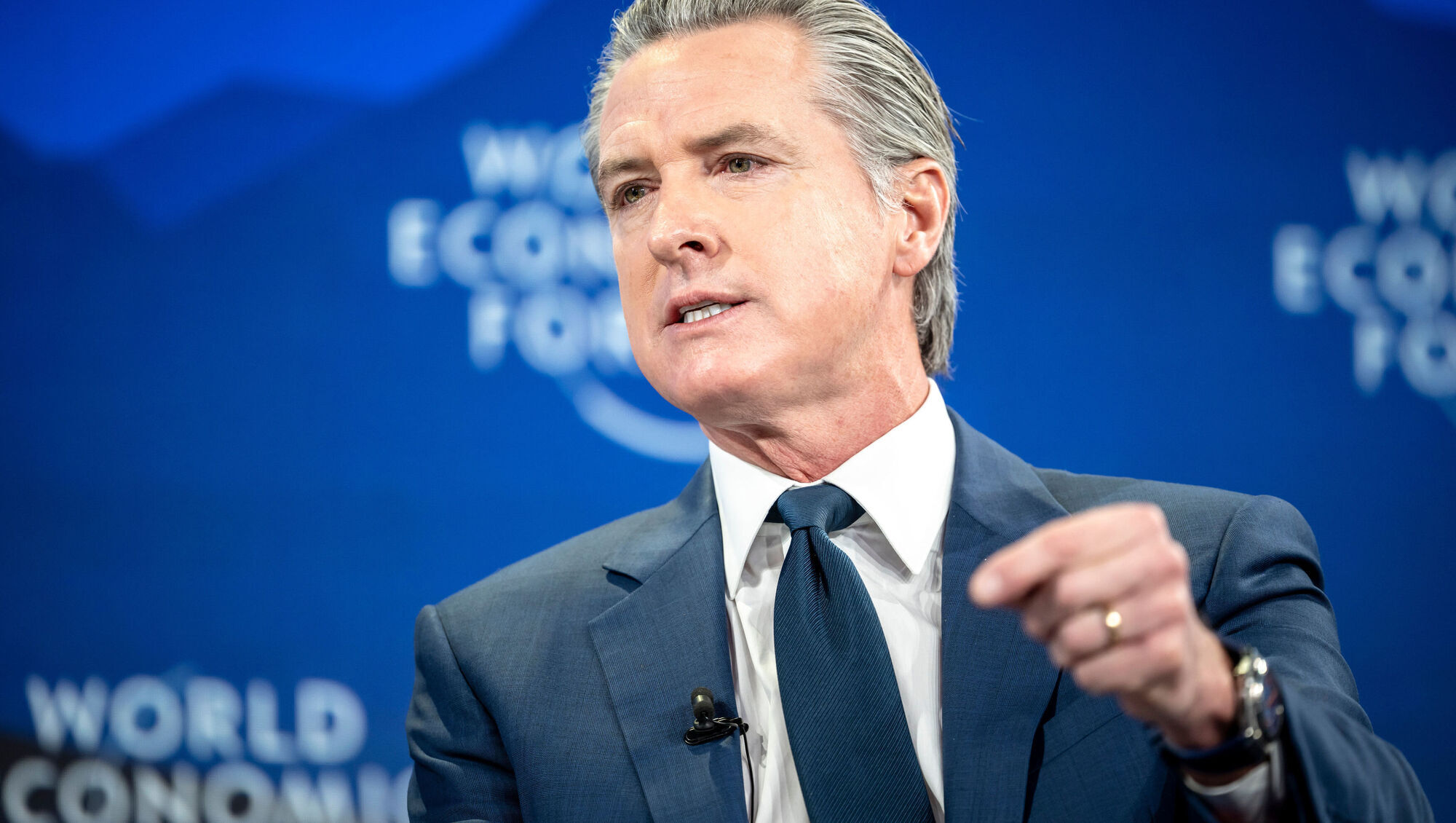
California governor Gavin Newsom urged European leaders to unite and stand up to Trump or be ‘devoured’. Picture: Gian Ehrenzeller/Keystone/AP
A temporary respite from the threat of a total breakdown in the transatlantic alliance has given Europeans a moment to gather their thoughts.
There is a need for “accelerated strategic autonomy” an EU official said. But we’ve heard this exact sentence countless times since the first Trump administration.
“Certainly, in defence, competitiveness — we need to diversify our sources of trade,” they added.
It remains to be seen if Brussels will be proactive in de-risking its reliance on the US or wait for the next act of coercion by the US and just react helplessly.
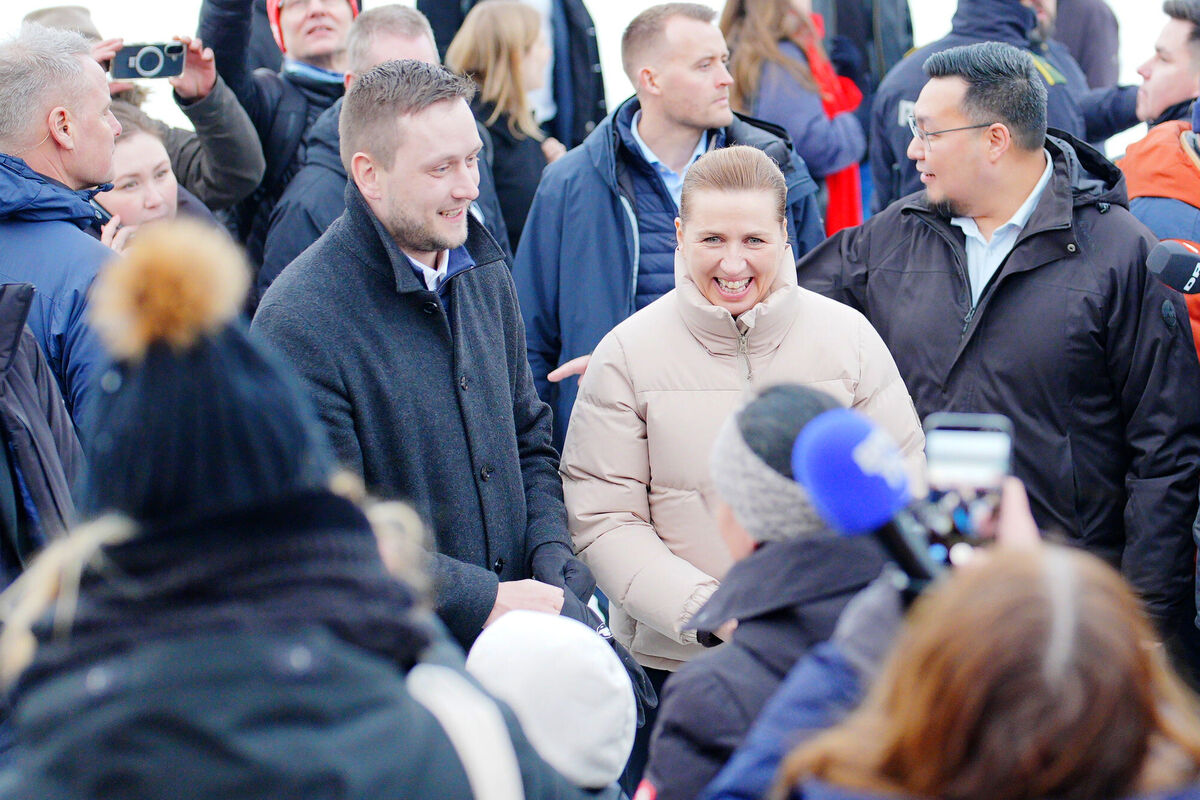
It’s widely acknowledged in Brussels and across European capitals that Pax Americana is dead, but Trump’s apparent plan to “take” Greenland — a protectorate of Denmark — was still a shock to member states.
This is despite all the evidence from last year. The lightning military advances in Caracas, and the initiation of the Trump-devised so-called Board of Peace.
Ostensibly devised to respond to the manmade hell-on-earth humanitarian catastrophe in Gaza, the Board of Peace idea has expanded, and there are fears its raison d’etre is to undermine or sidestep the United Nations.
With Trump as chairman, the Board of Peace has invited Putin and Netanyahu to join despite outstanding warrants from the International Criminal Court for their arrests for alleged crimes such as unlawful deportation and unlawful transfer of children and, in the case of Netanyahu, extermination and starvation of a civilian population, among other things.
Each government paid $1bn (€0.85bn) for permanent membership. The EU says it’s seeking “further clarification” regarding its invite to participate.
Most EU countries have declined to join, except for Hungarian prime minister Viktor Orbán. An EU official said:
In a bygone era, the setting up of an international structure that had members who are the very antithesis of peace as its leading figures would have drawn immediate condemnation from the EU.
But Brussels now has so many other fires to extinguish, and the prevailing mood is to tread carefully around anything Trump does so as not to draw his ire or attention.
If the daily brutality of ICE were a feature of any other country — in the Middle East or Eastern Europe such as Georgia or elsewhere — the EU would have been quick to consider sanctions, or at least register its “deep concern”. But now the silence is deafening.
It was hard to see how an off-ramp might deter Trump from his demands that he had to “have” Greenland, so the moment he announced the tariffs were off the table, it was was welcomed.
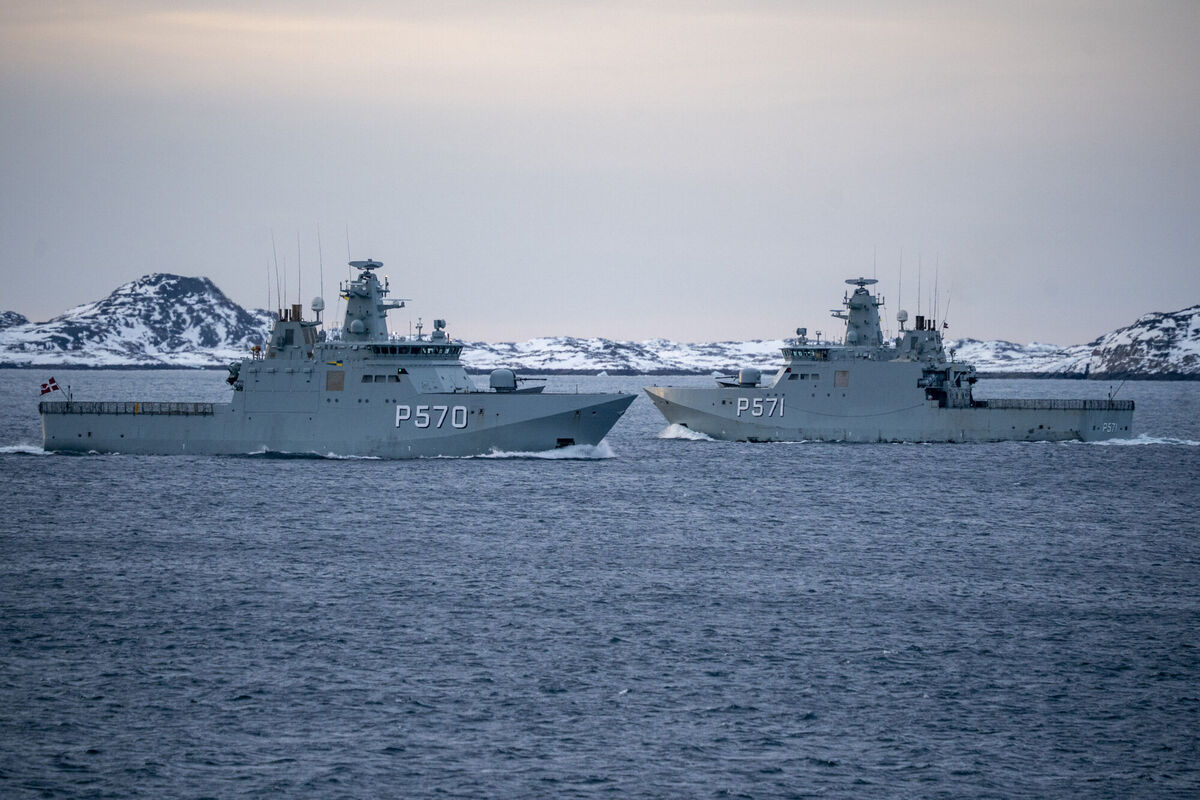
But what happens the next time Trump has grievances over not receiving an award, or doesn’t ‘feel’ gratitude and decides to reignite the Greenland issue, or target someplace else?
Despite the clear statements of solidarity and defence of territorial integrity, there’s no indication Europe has woken up or is any more resilient to face the next three years of this US administration.
“Just look at what he said about the Chagos islands,” one EU official warned.
Trump this week slammed the UK government’s decision to return the Chagos islands to Mauritius, calling it “an act of great stupidity” despite endorsing it a few months earlier.
California governor Gavin Newsom spoke some home truths to Europeans and others whom he accused of “rolling over” to Trump.
“I can’t take this complicity of people rolling over”, he told reporters at the World Economic Forum at Davos. “I should have brought a bunch of knee pads for all the world leaders... Nobel prizes, they’re being given away. I mean it’s just pathetic”, he said.
He urged European leaders to unite and stand up to Trump or be “devoured”. He added:
Trump did EU states a massive favour by calling off the dogs of war ahead of the emergency summit on Thursday night.
Because the stark divisions among countries’ positions on how best to react to the Greenland issue would have been exposed.
There was no consensus on whether the EU should consider using the EU’s anti-coercion mechanism — although the French government was the most vocal in pushing for it.
The French position was that the EU needs to stop acting like it holds no cards, and that the anti-coercion instrument can be triggered in a manner that is proportionate.
“It has variable layers and degrees and can be used with a light or more intense touch”, said an EU official.
Instead, on Thursday, leaders once again focused on the 25-year ordeal that is the Mercosur trade deal.
The issue was back on the table after the European Parliament referred the legality of the deal to the European Court of Justice — something that can delay its implementation, unless Brussels gives the go-ahead for a provisional application of it.
Its reappearance as a pressing political issue is a key example of the EU’s aversion to taking action due to competing priorities of its member states.
While a bullet was dodged at the 11th hour, instead of looking ahead, and learning from the past week by issuing precise recommendations, Brussels, it is feared, remains stuck.


CONNECT WITH US TODAY



Be the first to know the latest news and updates