Colin Sheridan's A to Z of 2026
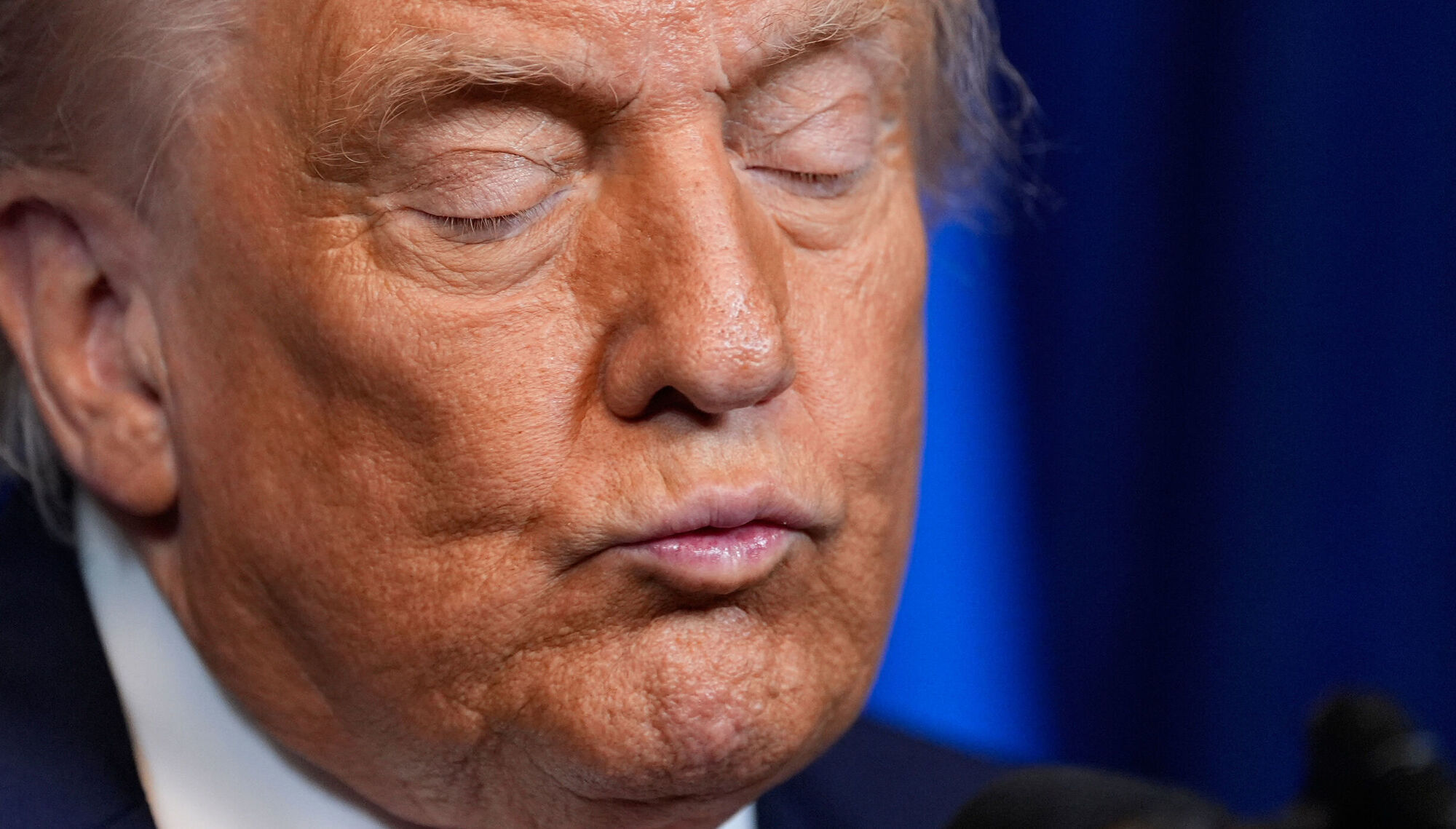
US president Donald Trump turns up several times in Colin Sheridan's A-Z of newsmakers for 2026. Picture: Alex Brandon/AP
The irony — no, the audacity — of such a statement lay in the reality of its moment. When the Declaration of Independence was drafted in 1775, enslaved people accounted for roughly 20% of the population of the colonies. Many of the men who signed their names to those lofty ideals also signed bills of sale for human beings.
As the US marks its semiquincentennial in the summer of 2026, the celebrations will be loud, choreographed, and drenched in symbolism.
Expect its 47th president, Donald J Trump, to declare the union stronger than ever, proof of a greatness restored.
Flags will wave, fighter jets will roar, and dissent will be aggressively discouraged.
The truth, much like it was 250 years ago, is far more nuanced. No amount of bloviating can disguise the divisions gripping a country caught between nationalist nostalgia and demographic reality, between record corporate profits and a fraying social contract. Be assured, America at 250 will be heavy on pageantry and light on self-reflection.
Two countries on the edge — not of collapse, but of consequence.
Bangladesh sits on the frontline of the climate crisis, where rising seas, cyclones, and saltwater intrusion are already facts of life rather than future threats.
What happens there in 2026 will be less about warning and more about adaptation, migration, and survival.
Benin, meanwhile, finds itself on the southern lip of the Sahel, as instability and militant violence creep down from Burkina Faso and Niger. Long viewed as a model of democratic calm in West Africa, it is learning that geography is destiny.
In 2026, Bangladesh and Benin won’t dominate headlines, but they will tell us where the world is heading — quietly, and sooner than we think.
After a decade of managed slowdown, Beijing is likely to make an explicit pivot: Fewer apartments, fewer exports, and far more state-directed investment in artificial intelligence, robotics, and military adjacent technology.
Expect China to declare strategic self-sufficiency not as a goal, but as a fact. Western sanctions will be reframed as a gift, forcing innovation at home. The bold prediction? By the end of 2026, China will unveil an AI ecosystem largely decoupled from US hardware and software, imperfect but functional, and good enough to export to the Global South.
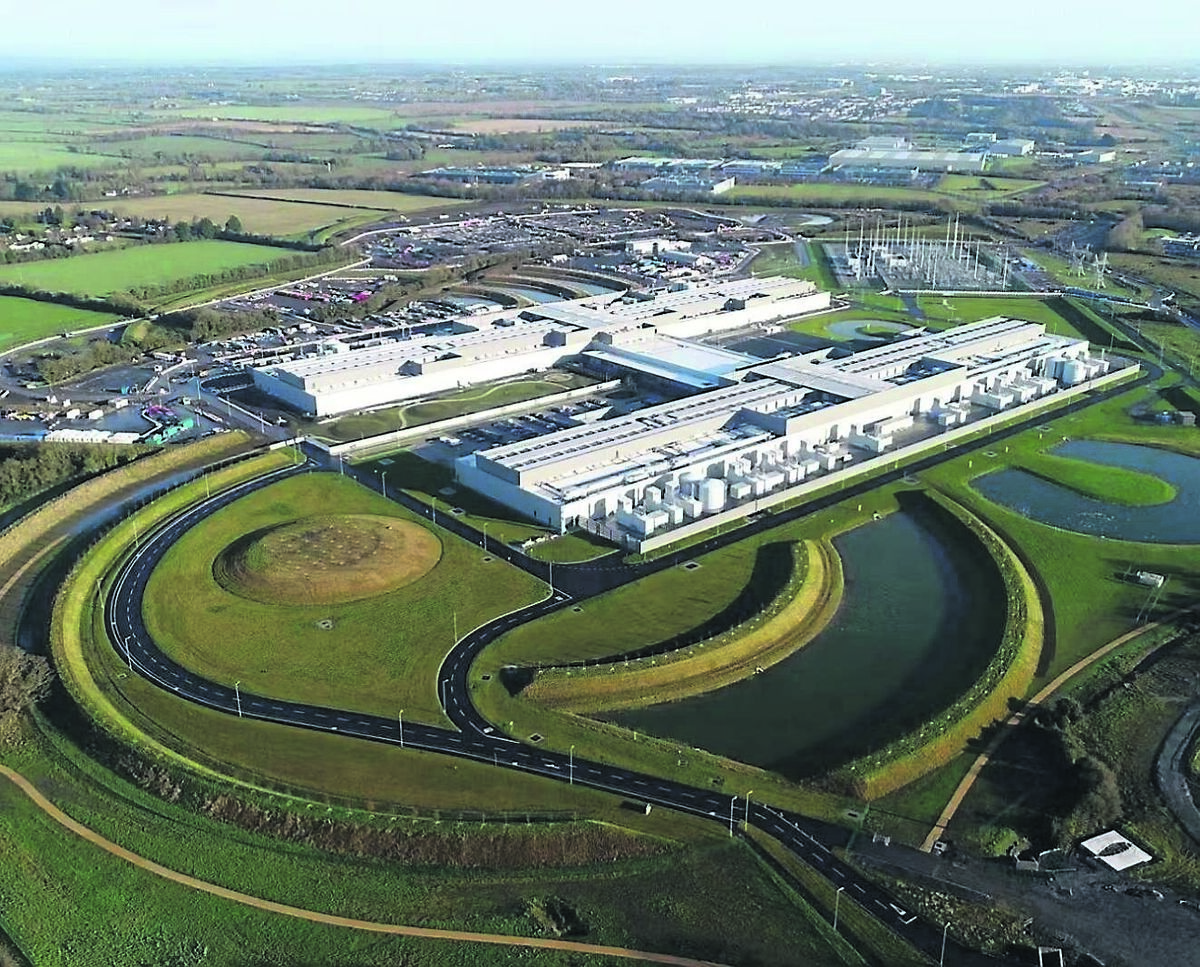
In reality, by 2026 they will be impossible to ignore. Data centres already consume a staggering share of the national electricity supply, distorting planning, energy policy, and climate targets in their wake.
Each new approval is framed as investment; each objection dismissed as naïve. Yet the question being ducked is brutally simple: Who is Ireland’s grid actually for? Homes and hospitals compete with server farms humming for global tech giants whose tax footprint is lighter than their carbon one. Data centres promise the future, but increasingly look like a present Ireland can’t afford.

Yet in 2026, with Israel’s participation problematic for an increasing number of participating countries, we find ourselves in exactly that temperamental theatre.
Set for May 12–16 in Vienna, Eurovision has been rocked by boycott. When the European Broadcasting Union confirmed Israel would remain in the line-up, several public broadcasters chose principle over spectacle. Ireland, Spain, the Netherlands, Slovenia, and Iceland have announced they will skip the show — declining both to compete and to broadcast — in protest at Israel’s inclusion.
The result is a contest that may attract fewer entries than at any time in decades, turning the grand final from a carefree celebration of pop into something far more fractious: A reminder that even Europe’s most flamboyant cultural export is not immune to the geopolitical rhythms of its time.
The Blackwater fish kill of 2025 — now regarded as the largest ever recorded in the State — stripped the river of life and the valley of something harder to quantify: Trust. Trust in regulators,
in upstream assurances, in the idea that rivers are protected rather than managed into exhaustion.
In 2026, recovery will be slow and uneven. Fish stocks can return; damaged ecosystems take longer, and memories longer still. The Blackwater Valley will bounce back because communities tend to, but only if accountability follows apology. Otherwise, regeneration risks becoming another word for forgetting, and the river another cautionary tale flowing on.
By 2026, Gaza will be entering its third year of destruction, a timeframe that should shame a world fluent in the language of “ceasefires” and fluent too in their failure.
Pauses in bombing have been sold as progress; they have functioned instead as intermissions.
The killing resumes, the blockade holds, the dead are counted and then forgotten as attention drifts. Words have been argued into exhaustion: Proportionality, self-defence, complexity.
Meanwhile, the facts on the ground harden into permanence. Genocide, like climate collapse, doesn’t require constant spectacle to continue. It thrives on distraction. History will not be confused by the euphemisms.
2026 is a landmark year for the Government and its housing policy. With record levels of homelessness reached in 2025, a crisis once described as temporary has settled into permanence.
Entering its second year, the Government faces an ultimatum on delivering one of the most basic tenets of a functioning democracy: Somewhere to live.
Targets have been set, reset, and quietly missed; announcements have outpaced completions. The language of urgency remains, the outcomes do not. In 2026, excuses about global shocks or planning timelines will wear thin. If supply does not finally meet need — visibly, materially — this housing crisis will stop being a policy failure and become a defining political verdict.
In the Fifa president, Donald Trump has found a lapdog willing and able to stroke an ego the size of the country he presides over.
With the World Cup taking place across the US, Canada, and Mexico in the summer of 2026, expect Infantino to be everywhere — pitchside, podium-side, and firmly up Trump’s backside.
Fifa’s transformation from sporting body to travelling circus will continue apace, with platitudes about unity delivered against a backdrop of exclusion, security theatrics, and performative nationalism.
Football will survive it, as it always does. Fifa’s credibility, less so. Infantino will call it growth. History will call it something else.
Once the bedrock of common law justice, the jury now looks increasingly like an inconvenience to systems obsessed with speed, cost, and control.
In the UK, serious debate is under way about curtailing jury trials for complex fraud and lengthy cases, quietly reframing participation as inefficiency. The argument is pragmatic; the implications are not.
Juries are messy because democracy is messy. They inject ordinary judgement into processes that would otherwise calcify into professional consensus. Ireland still treats trial by jury as sacrosanct, but pressure travels.
If juries disappear elsewhere, the question won’t be if Ireland follows, but how it justifies doing so without admitting what’s been lost.
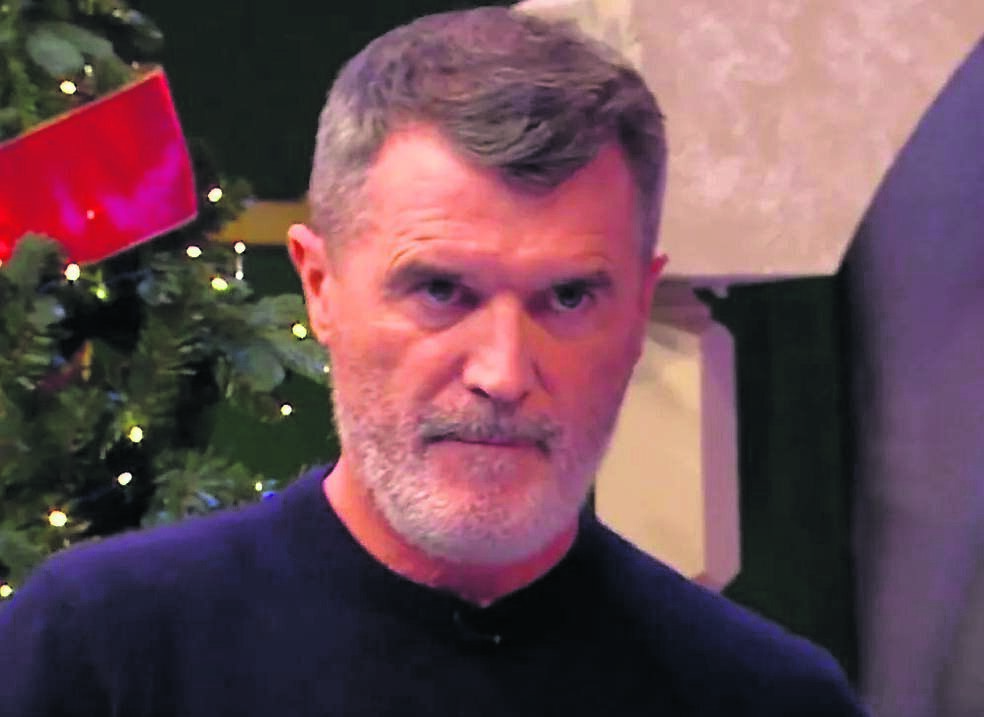
His recent appearance on RTÉ’s Late Late Toy Show was less redemption arc than confirmation — this is a man at ease with himself, and oddly at ease with Ireland.
The glare remains, but it’s now deployed with comic timing rather than menace.
In 2026, expect more Keane the pundit, podcaster, and reluctant national conscience, wheeled out whenever honesty is required. Let’s just hope he ignores the inevitable offers to manage another group of players he would, with absolute certainty, learn to hate.
With Heat 2 now all but confirmed, expect Hollywood’s rumour mill to hit overdrive as Michael Mann prepares a long-awaited return to his most mythologised crime world.
DiCaprio is widely tipped to step into the Robert De Niro role, while Christian Bale’s name circles ominously. Filming is slated to begin in 2026, and the anticipation feels earned rather than nostalgic.
Mann doesn’t do sequels for comfort; he does them to interrogate time, regret, and professional obsession. If Heat was about men at their peak, Heat 2 promises something colder — consequence.
The Taoiseach endured something close to an annus horribilis in 2025. The presidential election fiasco, a housing crisis grinding on, contortions over neutrality, and an increasingly brittle stance on Palestine all pushed him into a defensive crouch that invited, and earned, criticism.
Martin’s long-cultivated reputation as a diligent, selfless statesman has taken a battering, replaced by an image of drift and over-caution. 2026 offers the possibility of redemption: Steady governance, delivery over rhetoric, principle over process. But time is no longer on his side. Redemption delayed, in politics, has a habit of expiring.
In 2026, Netflix’s quiet pivot from streamer to studio system will be impossible to ignore.
What began as content licensing has become acquisition by attrition: Production companies, back catalogues, regional broadcasters, even cinema chains flirting with collapse. Netflix doesn’t need to own everything — just enough to control the flow. The implication isn’t simply cultural homogenisation, though that’s coming too; it’s leverage.
Writers, actors, and independent producers find themselves negotiating with a single gravitational force, one algorithm away from irrelevance. Choice remains, technically. Power does not. Netflix will call it efficiency. The rest of us should recognise consolidation when we see it.
Yes, that one. By 2026, it will be eight years since the legislation was first drafted, eight years of promises, reviews, legal anxieties, and delays so elaborate a teenager might admire the brass neck of them.
The bill now exists less as policy than as prop — wheeled out during campaigns, quietly shelved once power is secured. Somewhere in Leinster House it gathers dust, a totem to performative politics and moral procrastination. Governments come and go; the excuse-making remains bipartisan. If it is not enacted in 2026, it won’t just be a failure of courage. It will become this Government’s shame.
By 2026, the war in Ukraine may finally grind towards an end - not with victory, but with exhaustion. A conflict no one is winning will be frozen, framed as resolution.
As Europe obsesses over a Russian threat that often feels more imagined than real, budgets balloon and rhetoric hardens.
Putin, meanwhile, remains.
Diminished, sanctioned, ageing — but still in place. That, perhaps, is the point. His power has never rested on expansion so much as endurance, on outlasting opponents convinced history is on their side. Is he laughing at Europe? Probably not. He’s waiting, which has always been his greater strength.
Whom the gods would destroy, they first make mad — a line that feels less classical wisdom than climate diagnosis.
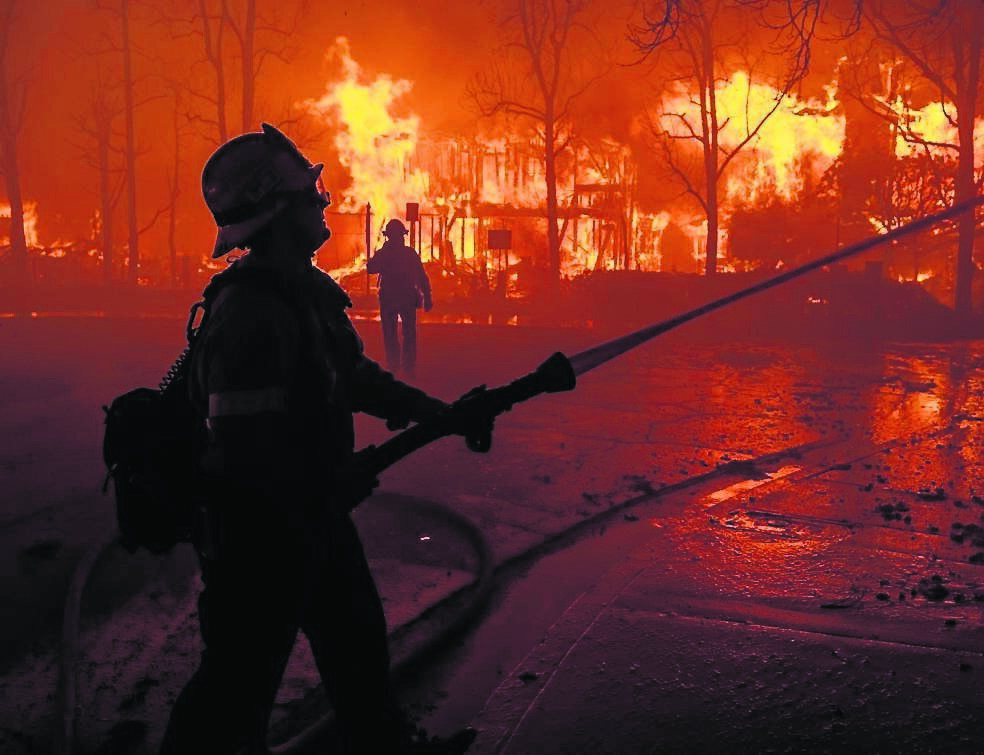
The planet is no longer whispering its warnings; it is shouting, in floods that arrive without seasons, in heat that kills quietly, in storms that flatten the uninsurable.
In 2026, the climate won’t ask for attention — it will seize it. The language will be fire, water, and absence: Crops that fail, coastlines that retreat, insurance markets that simply walk away. We will call these events unprecedented, as if surprise were a defence. Madness, after all, is repeating behaviour while expecting mercy.
After another year of entropy, 2026 may finally offer the national broadcaster something unfamiliar:A breather.
Scandal fatigue has set in, restructurings have been announced, and the era of existential self-flagellation appears to be nearing exhaustion. Whether renewal follows is another matter.
RTÉ remains trapped between public service obligation and commercial panic, asked to be everything while funded like next-to-nothing. Trust needs to make a comeback. The danger in 2026 is not collapse but drift.
A break would be welcome. A clear sense of purpose would be better.
In late 2025, Australia moved to restrict social media access for under-16s, forcing platforms like TikTok, Instagram, and Snapchat to verify users’ ages or face heavy fines.
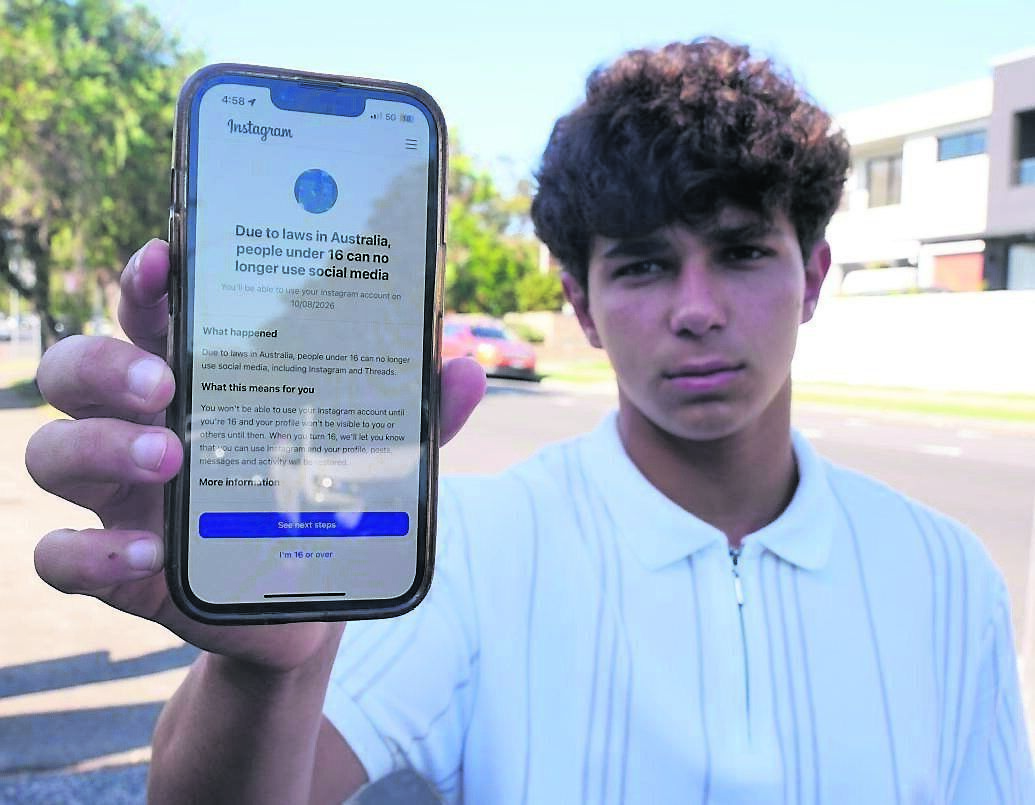
It’s a blunt instrument aimed at a problem long acknowledged and rarely confronted: These platforms are not neutral technologies but behaviour-shaping machines. In 2026, the question won’t be whether the ban works — it won’t, entirely — but whether Europe follows.
Expect serious debate in Brussels, particularly as evidence mounts around mental health, attention erosion and political radicalisation. Regulation, once timid, is finding its spine.
A nation holds its breath. If Ireland does qualify for next summer’s World Cup, they will have Parrott to thank, whatever happens in March. His heroics against Portugal and Hungary gave Irish football a boost millions of euros of investment never could. His club form since Budapest points to a striker maturing, with a return to the Premier League a distinct possibility.
Whether we go to North America or not, 2026 promises to be a huge year for
Parrott. We all stand to benefit if it is.
They are calling it a wind-down; it looks far more like a surrender. After years of having its mandate hollowed out by the competing interests of the US and Israel,
the UN’s peacekeeping
force in southern Lebanon is being eased towards irrelevance.
What replaces it will not be peacekeeping but something colder: Deterrence by proxy, intelligence sharing, and managed instability.
For Lebanon, the consequences are obvious. For Ireland, they cut deeper. Unifil has been one of the most defining expressions of Irish foreign policy — principled, dangerous, and respected. Its quiet dismantling marks not just the end of a mission, but the shrinking of a certain idea of internationalism.
Regime change, Nobel Peace Prize winners, oil reserves vast enough to worry the lobbyists, and boats heading north in quiet desperation.
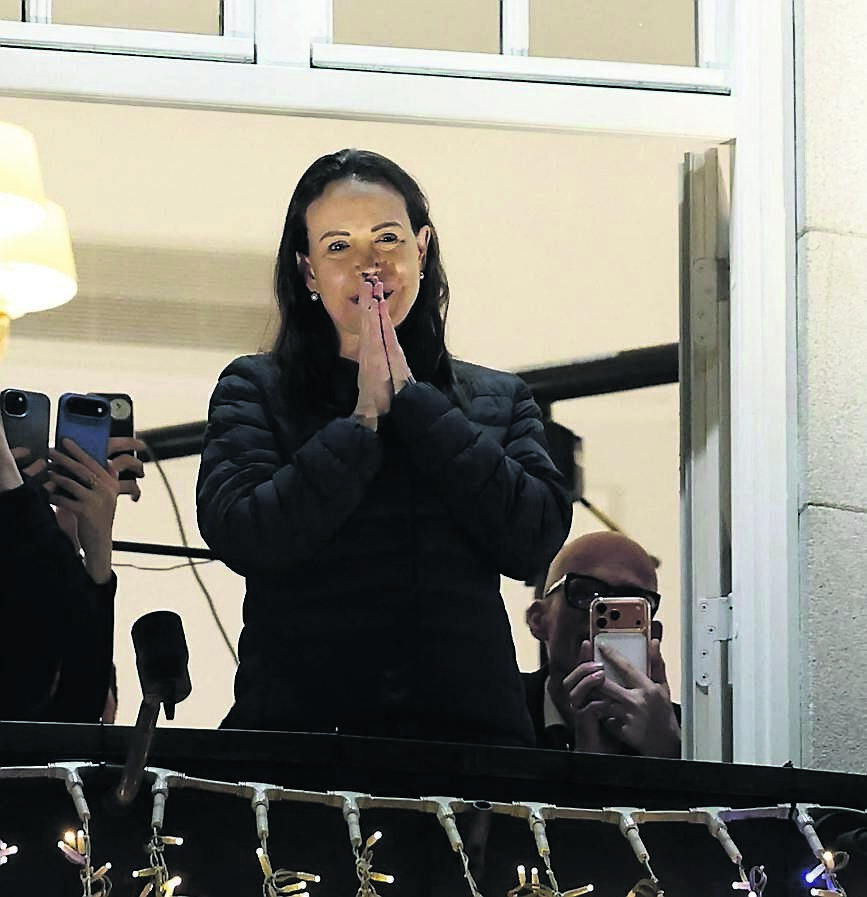
Venezuela has become a metaphor for the full-spectrum dysfunction of American foreign policy: Sanctions that entrench regimes, recognition that solves nothing, and the occasional extrajudicial whisper dressed up as resolve.
The rest of the world, meanwhile, looks on. In 2026, with Trump back and impatience his defining trait, the question returns: Will Washington finally get its man in Caracas? History suggests the cost will be paid, as ever, by Venezuelans.
Every four years, an unexpected joy arrives: A fortnight in which Irish people — citizens of a damp, temperate island — transform into expert commentators on bobsleigh starts, half-pipe execution, and the unforgivable sin of a mistimed edge.
The 2026 Winter Olympics in Milan-Cortina will deliver its usual miracles: Athletes defying gravity, physics, and reason, all while RTÉ explains snow.
There will be brief obsessions, intense opinions, and heartfelt support for nations we otherwise ignore. Then it will melt away. For two weeks, winter sports belong to everyone.
Formerly Twitter, now a case study in how to burn cultural capital for sport.
By 2026, Elon Musk’s everything-app will have settled into its final form: Louder, angrier, and far less relevant than it insists. Journalists still lurk, politicians still posture, but the centre of gravity has shifted elsewhere.
What remains is noise mistaken for influence and “free speech” redefined as the absence of consequence. X won’t disappear in 2026, but it might matter less. Which may be its most radical transformation of all.

At just 18, Lamine Yamal arrives at the 2026 World Cup carrying a weight Spanish football knows all too well: Expectation. Comparisons to Messi are unavoidable — the left foot, the schoolyard joy, the sense that something is about to happen when the ball reaches him. The difference is timing.
As Messi departs, we may see Yamal arrive. This summer won’t crown a successor, but it may confirm a trajectory.
Relax, haters. Under the US constitution, a person not born on American soil cannot run for president, which neatly removes Mamdani from the most corrosive electoral circus on earth.
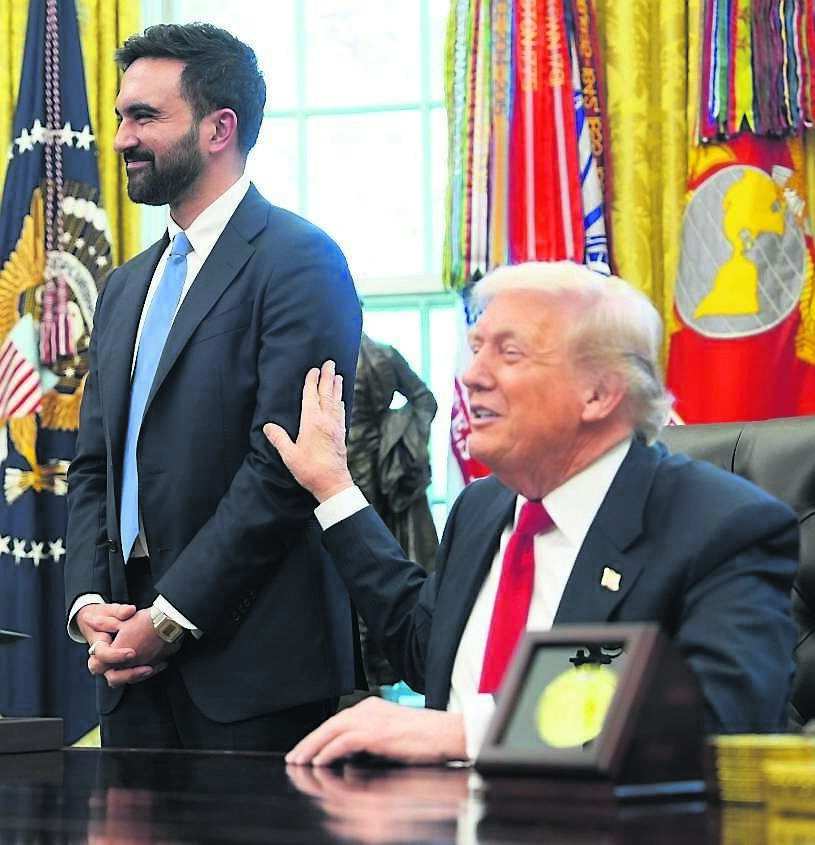
That disqualifier may yet prove his greatest asset. Mamdani represents something rare in US politics: Clarity without cynicism.
Housing, transport, and healthcare are finally being spoken about as rights rather than bargaining chips. Unburdened by presidential ambition, he is free to do something more disruptive: Build durable, local, left-wing politics that works. Influence, after all, doesn’t require Air Force One.

CONNECT WITH US TODAY



Be the first to know the latest news and updates