Ireland welcomed me, but new rules mean my path is impossible to follow
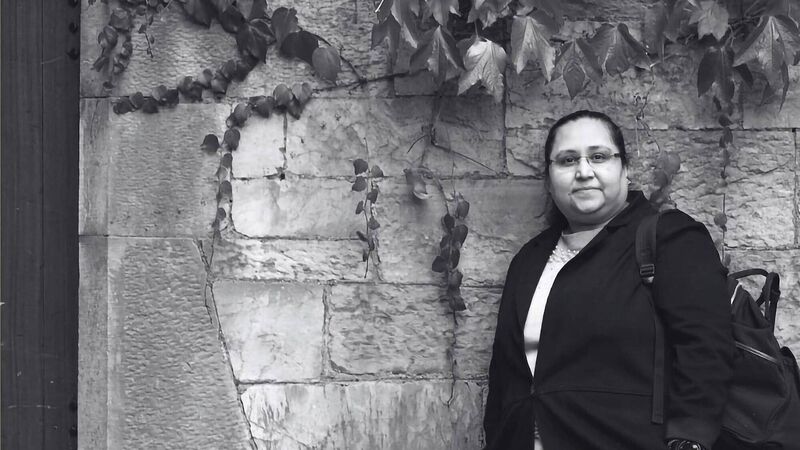
Dr Manizha Khan: 'When a country offers us peace and dignity, we fall in love with it deeply. We might not look Irish on the outside, but our hearts learn to beat in rhythm with this land.'
Since 2021, December has taken on a new meaning for me. It was on December 7, 2021, that I entered Ireland as a programme refugee, and this year marks four years of a journey I never intended to make — a journey I was forced into.
December now comes with bittersweet memories. It is the month in which I lost my country, yet it is also the month in which I found sanctuary in one of the most beautiful countries in the world.
December also became Christmas — a celebration I never knew could fill my heart with such warmth. In just four years, I have somehow become an honorary Cork woman, with a heart bursting with love for my new homeland and a box overflowing with Christmas decorations.Â
I have been blessed to meet extraordinarily kind and compassionate Irish people, and with their support and understanding, my family integrated quickly into Irish society. I have been working here for almost four years, paying taxes, and I feel privileged and profoundly grateful for the new life we have built.Â

My daughter is in secondary school — an opportunity that, today, is not available to girls her age in Afghanistan. For this, I will always remain thankful to the Irish people and Government.
I vividly recall the day the Taliban took over Afghanistan on August 15, 2021. In a matter of hours, they crushed our dreams, our ambitions, and our way of life. They trampled our culture and extinguished our hopes for a better future.Â
We were forced to leave behind everything — our homes, our possessions, our plans. Our men fought at the borders with no ammunition or government support only to be defeated, while our women took to the streets in protest, only to be shot at, beaten, and silenced.Â
After receiving multiple threats to my life, leaving was the hardest decision I ever made, but it was also my only hope: that by reaching safety, my daughter could grow up in a world where she would never have to flee as a refugee.
However, the welcoming and kind atmosphere that once defined Ireland is changing. The recent shifts in public sentiment and the new policies announced for refugees have filled me with fear and uncertainty.Â
The sense of sanctuary I once felt is beginning to evaporate. I do not know what the future holds for me or for others in similar situations.Â
Refugees are people doomed to walk the Earth without a land to call their own, and as an Afghan, I deeply understand the meaning of land and belonging. I am terrified of losing the new home I love so dearly. As refugees, we long for safety, for friendship, for a home that will not fall apart beneath our feet.Â
When a country offers us peace and dignity, we fall in love with it deeply. We might not look Irish on the outside, but our hearts learn to beat in rhythm with this land. That is why it hurts so much when we are told otherwise.
Every refugee who comes to a country does so in search of safety — whether from war, poverty, or death. Refugees seek sanctuary and the chance to rebuild their lives.Â
It is important that new policies are made to strengthen a country, especially around refugee issues, but such policies must aim to help refugees rehabilitate, integrate, find employment, and become contributing members of society.
I understand the Government’s need to address the challenges facing Ireland: housing shortages, unemployment, increasing crime and violence and rising social tensions. But I struggle to see how the newly announced refugee policies will meaningfully address these issues.Â
Many young refugees arrive in their early 20s and immediately return to education through Further Education and Training centres. The small Back to Education allowance allows them to pursue Level 5 or Level 6 qualifications. Some may progress to university if they can afford it, but many will enter the workforce and contribute to Ireland’s economy.
Without Jobseeker’s Allowance, educational support, or other basic social services, how can we expect refugees to integrate? And what message does it give to a refugee who made it through fires and thorns to stop them reuniting with their family?Â
When I arrived, I was fortunate to have strong English and a professional background as a dentist and former dean of a dental school.Â
Even more importantly, I was privileged to receive immense support from kind and compassionate people, as well as organizations like NASC. Their guidance and understanding helped me find work quickly, allowing me to stand on my own feet.Â
I worked as a dental nurse for a year before completing the requirements to practise as a dentist in Ireland. My husband, also a dentist, worked in SuperValu for a year. We loved our jobs, they gave us a sense of dignity and belonging, and now that we are back to our own professions, we still reminisce about that time.
But what about refugees who do not speak English? What about those who arrive with trauma, disabilities, or at a very young age? What about those who come highly qualified, but whose credentials are not accepted here without further study?Â
These policies seem not to take their realities into account or address these challenges.
While I appreciate the Government’s efforts and intentions, the proposed policies do not appear to be well planned or adequately tailored to Ireland’s current crises. I strongly urge policymakers to reconsider these measures and their long-term consequences.Â
The only lasting impact I can foresee is that Ireland will become a much less viable destination for people seeking refuge. If this was the intention, then these policies are understandable looking at the resources from a policy maker's point of view.Â
But for refugees already here, for the ones who are desperately gasping for air and safety and for Irish society, the long-term effects are unlikely to be positive.Â
We need policies to address the housing crisis, boost the economy, lower crime, create jobs, and support both Irish and refugee youth in completing their education and in contributing to Ireland's future, but unfortunately these policies are unlikely to achieve these aims.Â
- Dr Manizha Khan is a dentist from Afghanistan, living in Cork. She is the guest on Friday's episode of .Â