Finally, a large-scale anti-war protest in Israel
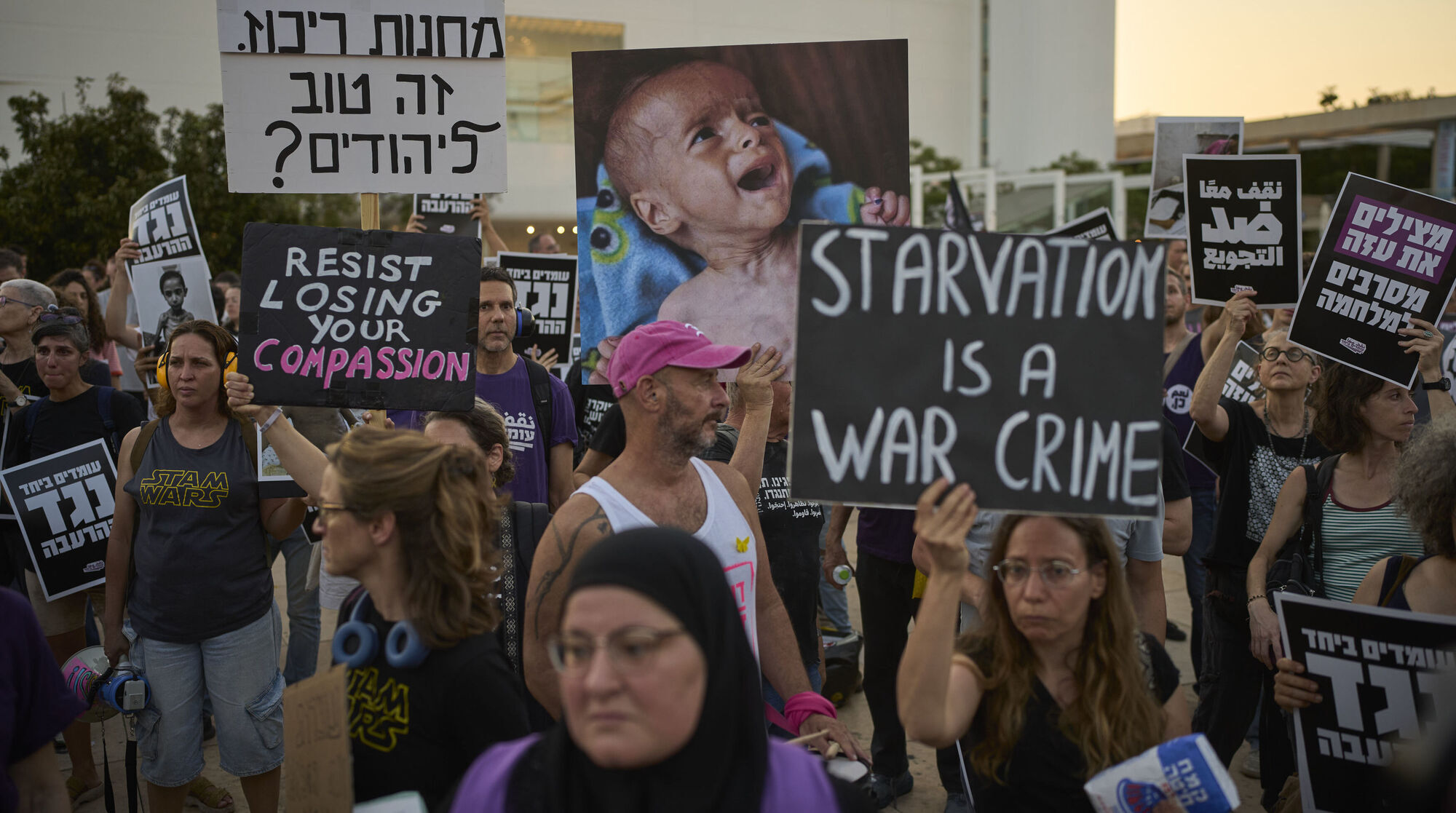
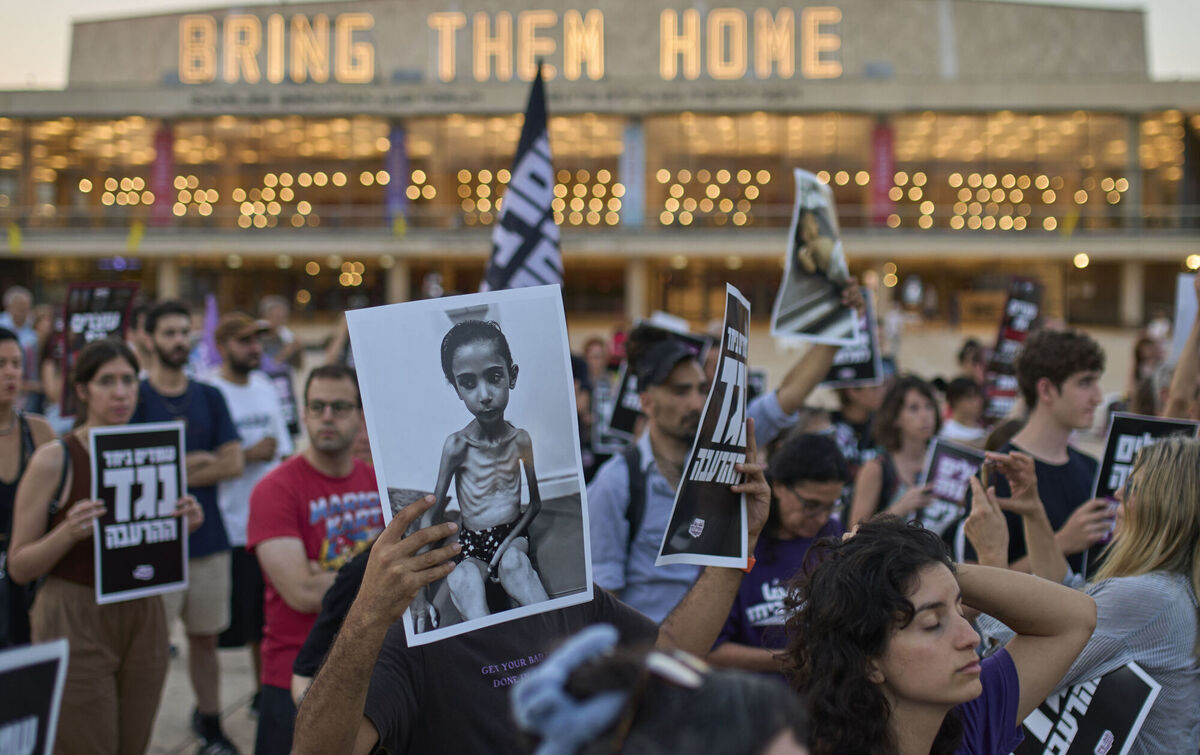
Israeli activists take part in a protest last month in Tel Aviv against the war in the Gaza Strip. There have been calls from both the family of the hostages and opposition leaders for a national strike later this week. File photo: AP/Ohad Zwigenberg
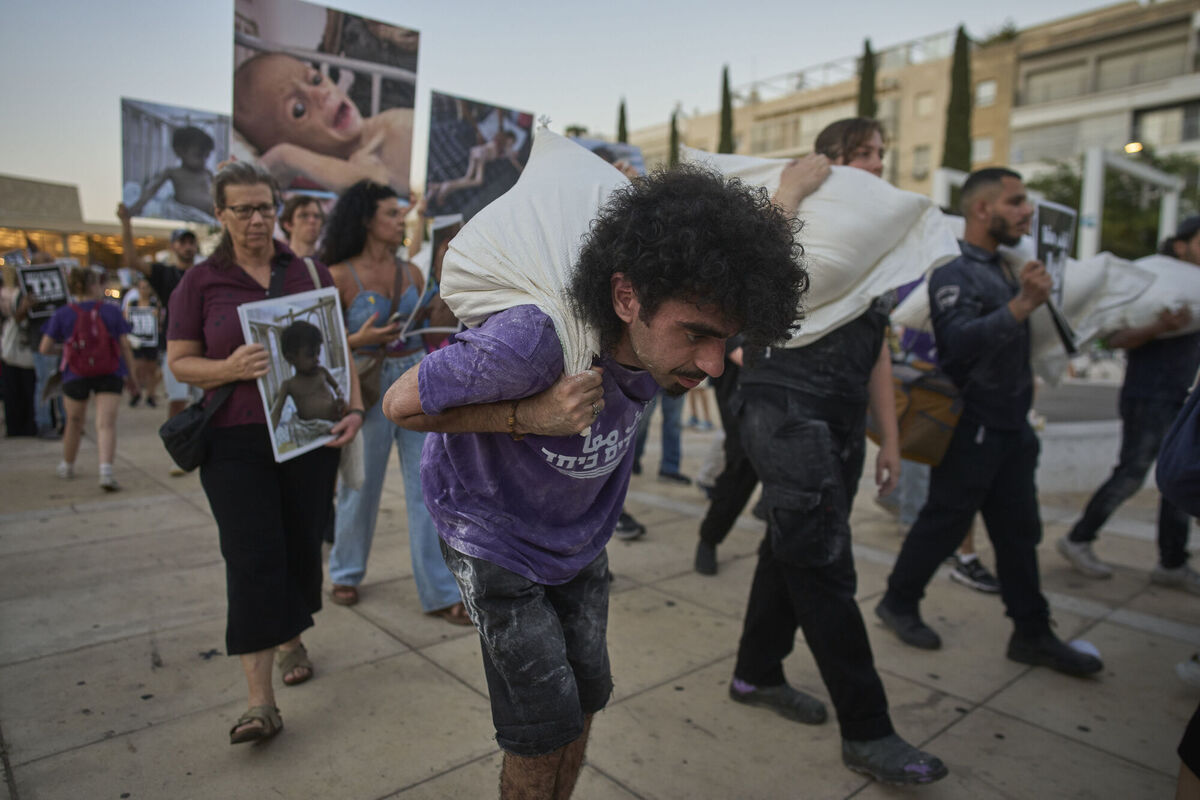
An estimated 100,000 Israelis took to the streets of Tel Aviv last Saturday night to protest against the Israeli Government’s announcement to intensify and prolong the war on Gaza.
This was the largest and most raucous anti-government demonstration in months. The anger was palpable; it was probably the first demonstration that I can recall that had a decidedly anti-war sentiment.
For many months, smaller demonstrations have been held every Saturday evening across the country. Whilst these protests have always had an anti-government message, their focus remained squarely on the fate of remaining hostages held in Gaza.
Explicit anti-war messages at the mainstream weekly demos have remained muted – up until now. Saturday night’s demonstration felt different. This was arguably the first large-scale anti-war demonstration in Israel since the conflict began almost two years ago.
The government's announcement to expand the war came after a 10-hour cabinet meeting last Thursday, indicating, unusually for this government, some real cabinet dissent. Netanyahu, in a press conference on Sunday evening, doubled down on that commitment.
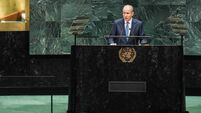
In language reminiscent of the infamous quote of the Vietnam War, “It became necessary to destroy the town to save it”, Netanyahu on Sunday spoke in English, without any hint of irony, “We do not want to occupy Gaza but free Gaza”.
This is after 22 months of relentless Israeli assault that has already killed over 60,000 Palestinians, including 18,000 children.
Netanyahu’s announcement to intensify the war on Gaza, including a plan to occupy and ‘evacuate’ Gaza city, has shocked but not surprised Israelis. Details of the military plan remain unclear.
Initial local media reports over the weekend suggested that the plan included a full evacuation of Gaza City, to be completed by October 7, the second anniversary of the Hamas massacre.
Recent polls suggest that more than 70% of Israelis want the war to end now. Presumably, an even higher percentage are opposed to any intensification of fighting that puts at risk not just the lives of the remaining hostages but also the lives of thousands of young Israeli soldiers who are now tasked with the unenviable job of ethnic cleansing.
The IDF's (Israeli Defense Forces) Eyal Zamir has let it be known publicly that he is opposed to Netanyahu's ground plan for logistical reasons, arguing, like almost everybody else here, that the expansion of the war as outlined by the government puts the lives of soldiers and hostages at risk.
Zamir’s very public opposition has provoked accusations of treason from Netanyahu's son Yair, who has not been shy of weighing in with politically provocative outbursts since the war began.
The political mood in the country has grown increasingly tense in the past 72 hours, with calls from both the family of the hostages and opposition leaders for a national strike later this week.
Many political pundits in Israel, however, are genuinely scratching their heads as to the motivation behind Netanyahu’s decision. Most are asking, why now?
And why such a brazen and provocative call for an intensification of war, that has generated fierce condemnation from leaders across the globe, flies in the face of the majority of Israeli public opinion and is resolutely opposed by the Israeli military itself.
If we take Netanyahu at his word, the war plans are simply a “proposal for defeating Hamas”. If we do not take him at his word - and many Israeli political pundits say we shouldn’t - the announcement is a ploy for Netanyahu to prolong the war, to ensure his short-term political survival.
Any proposal to end the war that doesn’t include a commitment to full Israeli occupation, ethnic cleansing, or expulsion, the argument goes, will not satisfy his far-right messianic coalition partners. The so-called never-ending war is designed to stave off the collapse of the government.
Some have argued that the announcement is nothing more than a negotiation tactic to force Hamas to make concessions in the negotiations to end the war.
There is a fourth and altogether darker interpretation. This is the opinion that none of this is being forced upon Netanyahu by political expediency, but instead driven by a deliberate, pre-planned strategic goal to eventually expel two million Palestinians from Gaza.
This was the opinion of Aluf Benn, editor of newspaper, the Israeli paper of record, just last week.
The few demonstrators I spoke to on Saturday night were unanimous that Netanyahu’s motivation to expand military operations was fuelled by nothing more than a cynical desire for political self-preservation.
“He [Netanyahu] cares nothing about the hostages, everything he does is for himself,” said Yoav. “We need to get rid of this ‘crime minister ‘before more hostages die,” Yael added.
Netanyahu has been indicted for corruption. His trial has been dragging on for years. Posters with his face behind bars with the caption ‘Crime Minister’ have been visible at all demonstrations for two years now.
Lior was visibly angry. “What are we fighting for? What are our soldiers dying for? Nothing, absolutely nothing...it’s all a lie.”
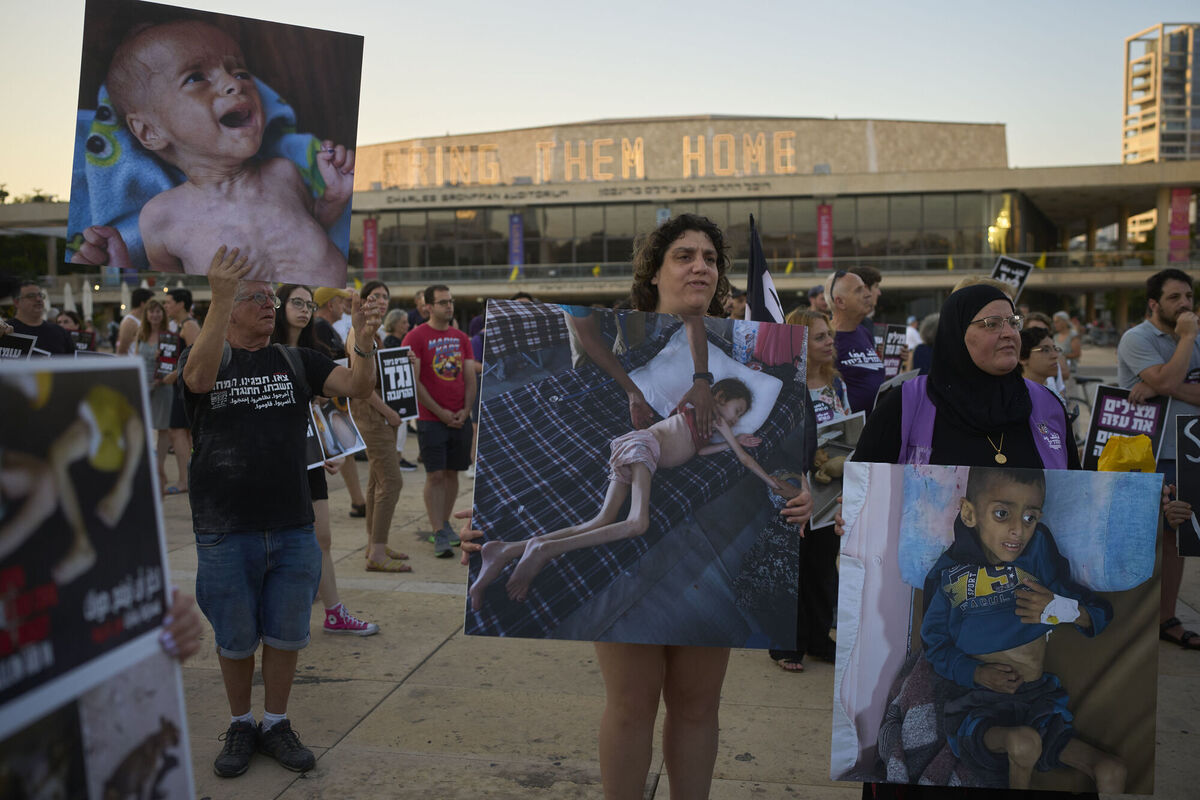
“We are killing children every day – it has to stop,” said Taly, one of the few people I spoke to who first raised the plight of Palestinian civilians. Her voice remains a minority.
A little reported poll from the Israel Democracy Institute this weekend revealed that 78% of Jewish Israelis think that “given the circumstances of the fighting in Gaza, Israel is making efforts to avoid causing suffering to the Palestinian population there”.
A perhaps shockingly naive or wilfully ignorant viewpoint, indicative that many of the demonstrators on Saturday continue to either turn a blind eye to the reality what their state has done in the past 22 months of war.
Many observers, I am sure both inside and outside Israel, would agree however, whatever the motivation of the demonstrators, any protest by ordinary Israelis that brings 100,000 of its citizens onto the streets to call for an immediate end to the war on Gaza should be welcomed by all.


CONNECT WITH US TODAY



Be the first to know the latest news and updates