The events leading to Evan Fitzgerald's death deserve proper scrutiny

Questions arise as to whether controlled delivery of guns was an appropriate way to deal with Evan Fitzgerald, who has been described as a 'vulnerable young man'.

The case of Evan Fitzgerald is not going away, no matter how much some people might wish it so. Mr Fitzgerald was at the centre of a major incident in the Fairgreen Shopping Centre in Carlow town on June 1. He produced a shotgun and pretty soon was dead as a result of a self-inflicted gunshot wound.
He was 22, and had, at the time, been before the court on possession of firearm charges. At no point did the gardai claim, or apparently suspect, he had acquired the guns to carry out a criminal act such as robbery. He was due back before the courts a few weeks after he died.
When he was charged in March last year, the court was told he was “obsessed” with guns.
At that hearing, the judge, Desmond Zaidan, asked where the guns had come from. He was told gardaí were still investigating it. (Mr Fitzgerald later got his hands on a separate weapon which he used at the shopping centre).
Then, nine days ago, at the Oireachtas justice committee, Labour’s Alan Kelly revealed gardaí had supplied the guns which led to Mr Fitzgerald being charged.
This was a sting operation, known as “controlled delivery”, in which officers pose as criminals selling guns, and when the handover occurs, the recipients are arrested.
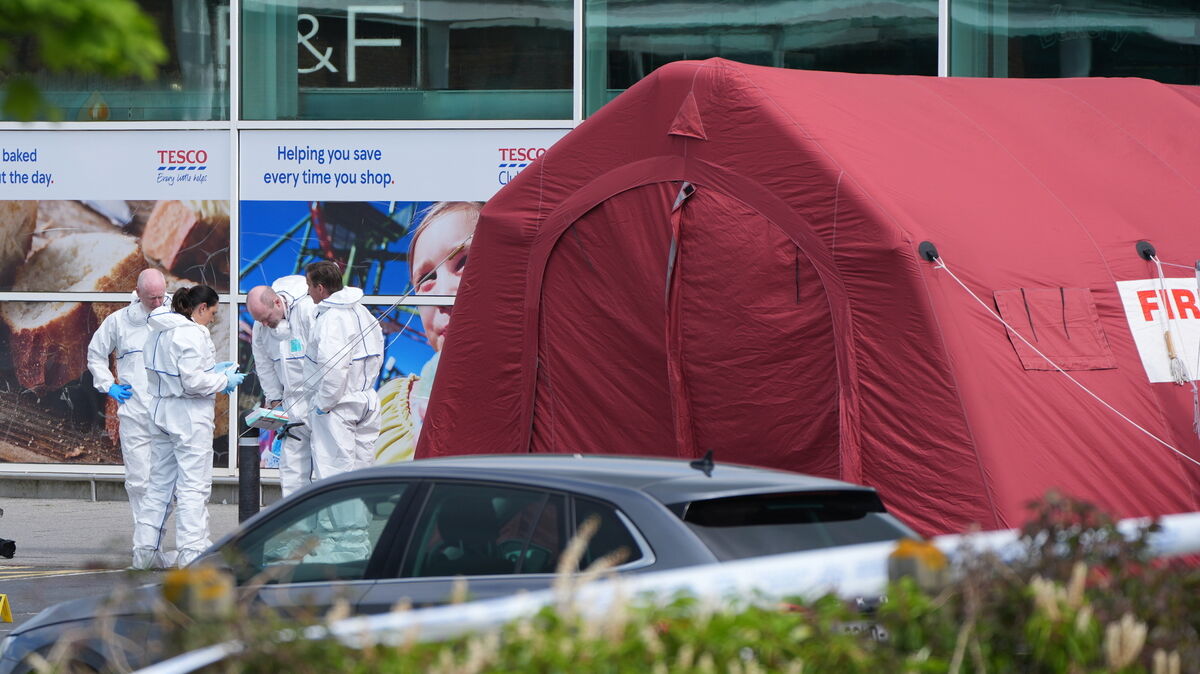
However, questions arise as to whether it was an appropriate way to deal with Evan Fitzgerald, who has been described as a “vulnerable young man”. Another issue is whether the district court was misled in March 2024 when the judge was told the gardaí were still investigating where the guns came from.
Prior to the events of June 1, one newspaper published a story revealing the sting operation.
In response to Kelly at the committee, Garda Commissioner Drew Harris inferred the matter had been examined and there was nothing more to see here.
“I am aware that the published allegations on 18 May, which I then referred to Fiosrú,” the commissioner said.
“It has since examined the investigation file that was submitted by the Garda National Drugs and Organised Crime Bureau to the DPP, and it responded on 6 June that it has no further action that it wishes to take in pursuance of the act.
The commissioner’s response was taken up by all and sundry to imply that Fiosrú (the new name for Gsoc) had investigated the matter and found nothing untoward.
Yet there was no investigation. All Fiosrú did was check the newspaper article and the file submitted to the DPP to see that all was in order. This was confirmed by Fiosrú last weekend.
So there has been no investigation by the oversight body into a very serious incident. The ombudsman has not, as was understood by all, “examined” all aspects of this case and given it the all clear.
A second issue arises about when the commissioner referred the matter to Fiosrú.
Alan Kelly told the Dáil eight days ago that following a media inquiry on May 10 last, the Department of Justice issued a statement saying the matter had been referred to Fiosrú. This was three weeks before the Carlow tragedy.
Yet Mr Harris told the Oireachtas committee he had referred the matter to Fiosrú after he saw the article on May 18.
“How could the Department of Justice and the minister say it was referred more than a week before it was referred?” Kelly told the Dáil.
“How could they say it was referred a week before the commissioner actually referred it?”
Somebody is getting their wires crossed. The commissioner is saying he referred the matter on foot of the newspaper article. Yet the department’s position is it was referred long before the media got wind of it.
A question arises as to whether there was contact between the commissioner and the department about the sting operation and how to deal with it vis-a-vis media inquiries. That would be a worrying development.
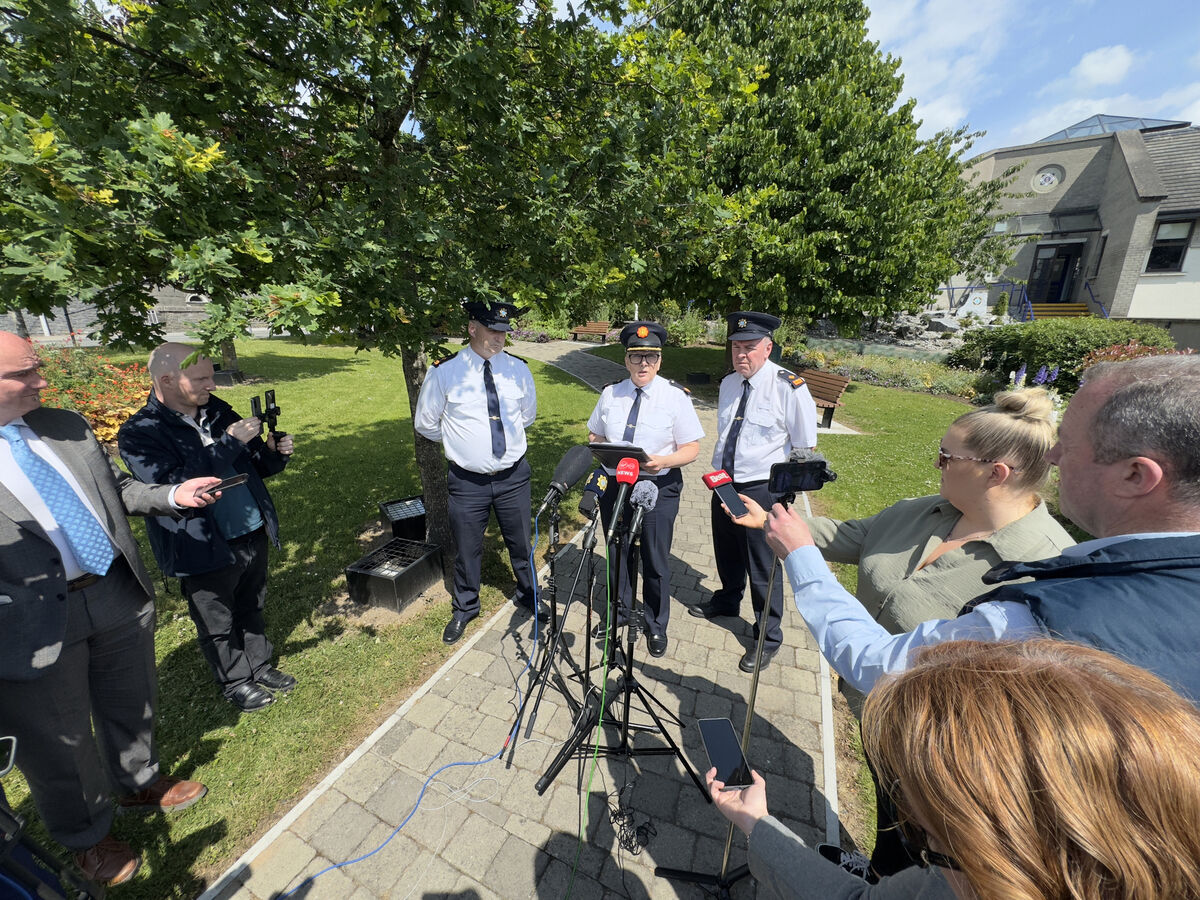
Something else even more serious also deserves further scrutiny. Within hours of Mr Fitzgerald shooting himself, Mr Harris was aware the sting operation, and all that flowed from it, including misleading statements made to a judge, had now ended in tragedy.
One might have thought a priority at that stage would have been to fully examine what had occurred from the outset of the investigation into this young man. The commissioner had the power, and arguably the duty, to do so.
"Under Section 204 of the Policing, Security and Community Safety Act 2024: "Where the Garda Commissioner becomes aware of an incident of concern in relation to a member of garda personnel, he or she shall, subject to subsection (6) and as soon as practicable after he or she becomes so aware, notify, in accordance with the protocols, the Police Ombudsman of the incident of concern."*
There is no suggestion any individual garda bore personal culpability for Mr Fitzgerald taking his own life, but it would appear the charges he faced contributed to his doing so — so how did that come about?
There is certainly a case the sting operation was not an appropriate manner in which to deal with somebody like the deceased man. As stated by Senator Michael McDowell in the Seanad, a question arises over whether “diversion rather than entrapment and prosecution” could have been deployed by the guards.
There is a case that handling of the matter in the court appearance was highly questionable and whether interaction between An Garda Síochána and the department concerning media queries was appropriate.
None of this is to prompt any kind of targeting of individual members of An Garda Síochána for what occurred. Instead, it should be about the application of power, and whether its use was proportionate and appropriate. It should also touch on the oldest bugbear in the Irish public service in general, and that is the handling of an issue when it goes wrong.
One might expect the first instinct would be to investigate and learn, but unfortunately all too often that instinct is buried in a rush to make the whole thing go away.
The commissioner is empowered by the law to have this matter fully investigated, but so also is Fiosrú and the minister for justice on the basis the public interest requires it. Let’s see if there is any take-up.


CONNECT WITH US TODAY



Be the first to know the latest news and updates