Do local communities need to see the light when it comes to solar farms?
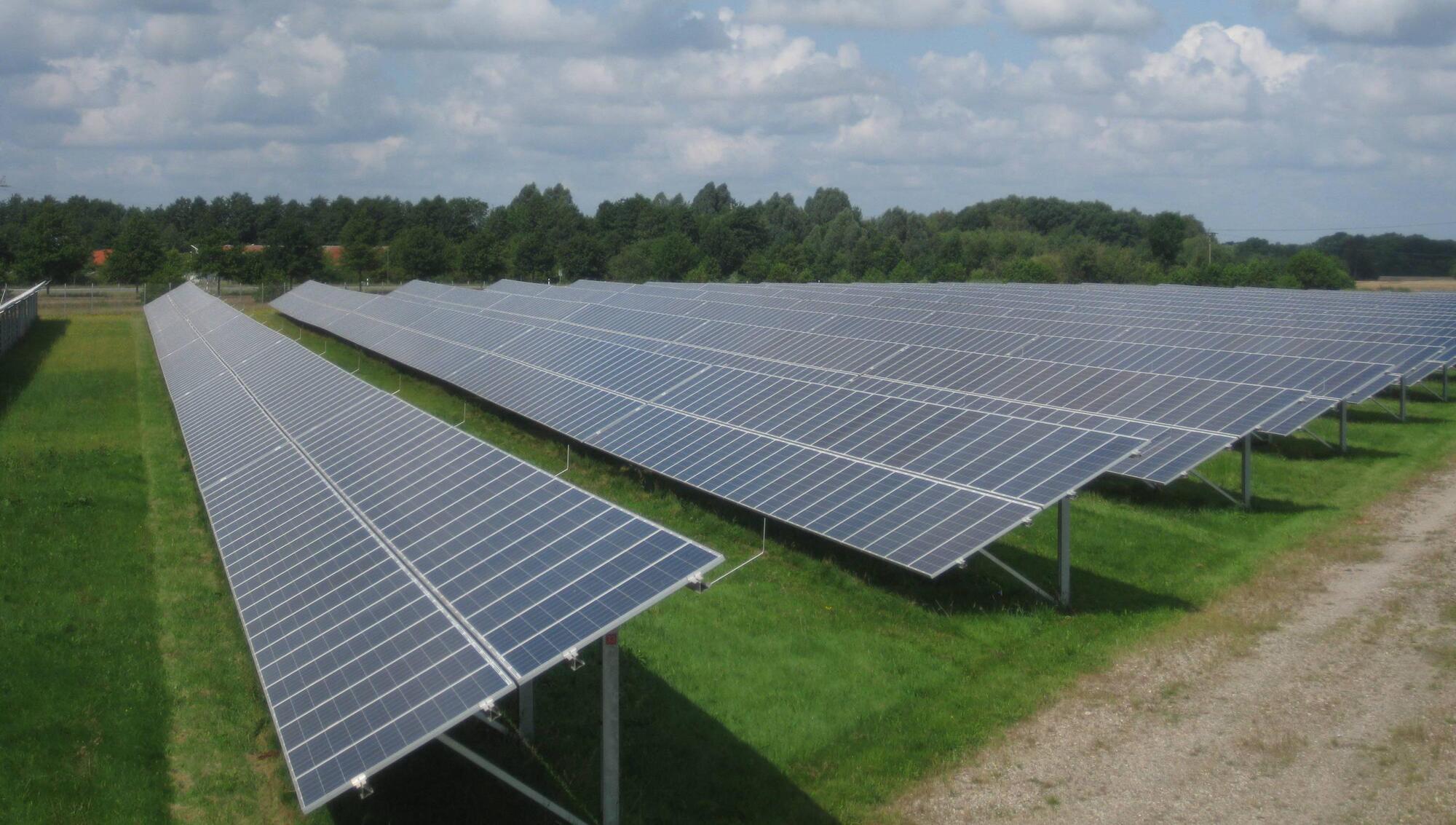
In some communities, solar farms are being eyed with continued suspicion.
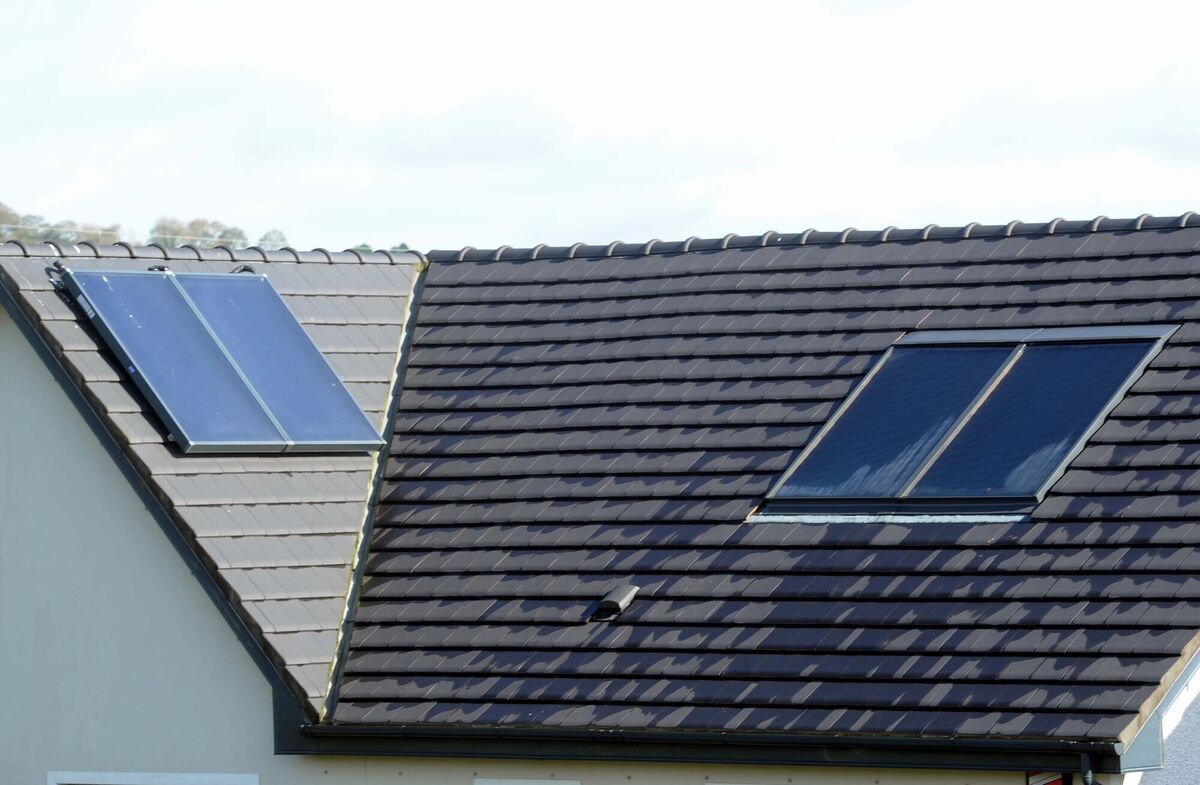
More and more solar panels are appearing on the roofs of Irish homes as people embrace the renewable energy revolution.
However, in some communities, solar farms are being eyed with continued suspicion.
Recently published data shows some 60,000 residential homes in Ireland now have solar panels on their rooftops, resulting in over 200MW being connected to the grid.
When it comes to solar farms, though, some communities and local authorities are more reluctant to embrace the new technology.
A large-scale 126-hectare solar farm near Midleton in East Cork was refused planning by Cork County Council this week because of perceived impacts on local greenbelt areas.
Westmeath County Council this month refused planning for an 87-hectare site over ecological concerns, while Offaly and Meath have also seen plans for solar farms shot down at the first planning hurdle.
Taking the local authority decisions out of the equation, a cursory reading of submissions by local community residents and representatives in relation to various solar farm applications suggests opposition to solar farms in the locality remains.
The Government's updated climate action plan increased the target for solar PV capacity by 2030 to 8GW, up from the previous goal of 5.5GW, with an accelerated target of 5GW by 2025.
For context, a gigawatt, or GW, measures electrical power and is equal to 1bn watts.
Just 1GW could power up to 1m homes.
Yet a journey through parts of the Irish countryside on any given day means you will see as many community-erected signs warning against solar farms as you would see the smatterings of solar panels adorning fields in areas where they have been established.
Nonetheless, around nine in 10 solar farms have so far been successful in the planning process, according to Irish Solar Energy Association chief executive Conall Bolger.
"The vast majority of people welcome it, it suggests.
"When it comes to solar, it is new for people. It is established in other markets but is still relatively new in the Irish context.
"People are still kind of getting their heads around what it means.
"I think a lot of the common concerns about solar are probably just a bit misinformed, in terms of the common issues that people have raised.
"The common ones we hear about are agricultural lands, glint and glare, visual intrusion, and loss of biodiversity," he said.
Glare comes up in submissions regularly when solar farm applications are made in local communities.
The worry around them is unnecessary and can be assuaged, Mr Bolger said.
"Solar panels are essentially less reflective than water, for example.
"Obviously it's something that people have to consider within their application for a solar farm in terms of managing the risk but it's not actually an overly significant issue.
"There are installations of solar panels near runways around the world.
"Dublin Airport is actually going through planning for a solar array that is not too far from their runway.
"And Belfast Airport has a solar array pretty close to the runway.
"You would think that if there was a substantial risk, they wouldn't do that," he said.
When it comes to worries around affecting agricultural land, the numbers "can sound a little scary", Mr Bolger concedes.
However, it requires less land than some may think, he added.
"We've estimated that reaching our target will probably require something in the order of around 25,000 acres, which is less than a fifth of 1% of all the country's agricultural land, or less than half the land currently occupied by golf courses.
"The land can still be used for grazing or for crops.
"Actually something we want to see a bit more of is this whole exciting area of agri-solar, where we're looking at doing both growing food and generating solar on the same land area.
"In some ways, it's kind of thinking about it more creatively, making multiple uses of the same area and trying to be more efficient with it."
Psychologist and environmental activist Eoin Galavan says communication around the need for renewable energy and the climate crisis needs to become better.
There is a fundamental difference between people agreeing that action is needed to tackle climate change and tangible measures to do so, he added.
"I think when we look at people's attitudes, it is something that might feel quite abstract.
"There's a difference between saying "are you concerned about climate change?" versus "so you want the field down the road to have a solar farm?"
"There are two completely different questions that activate very different responses.
"So people in a general sense are concerned about climate change, but that's very different than what's happening in the local neighbourhood."
The concept of distance also plays a part when it comes to tackling climate change in real time, he added.
"Climate change is seen as an abstract distant thing whether it is geographically or generationally — an event in Pakistan may not resonate or we may think it's the next generation's issue to sort out.
"When something real happens in our community, it kind of reminds people that this is really happening now."
"When people have been putting it off in their mind something you know, it can generate reactions.
"When something in my own neighbourhood reminds me that climate change is real and we have to tackle it in our own lives, as opposed to the lives of someone in the future, it generates a reaction."
Irrespective of what causes suspicion or opposition in communities, communication needs to be improved, according to Mr Galavan.
"As a hypothetical, if you have a community that has no electricity and you tell them you'll build a solar farm for free, you'll have no objection.
"Similarly if you have a community that has a solar farm already and it gives them 50% electricity for free, and you tell them the solar farm is being taken away and bills will increase, you'll have uproar.
"But if you introduce the idea of a solar farm to a community who don't have that perceived need or don't see its value, you'll get objections because they can see only negatives.
"There is something really important about how these projects are communicated."


CLIMATE & SUSTAINABILITY HUB
CONNECT WITH US TODAY



Be the first to know the latest news and updates