Emma deSouza: All-island rail review merely shows the limits of our imagination
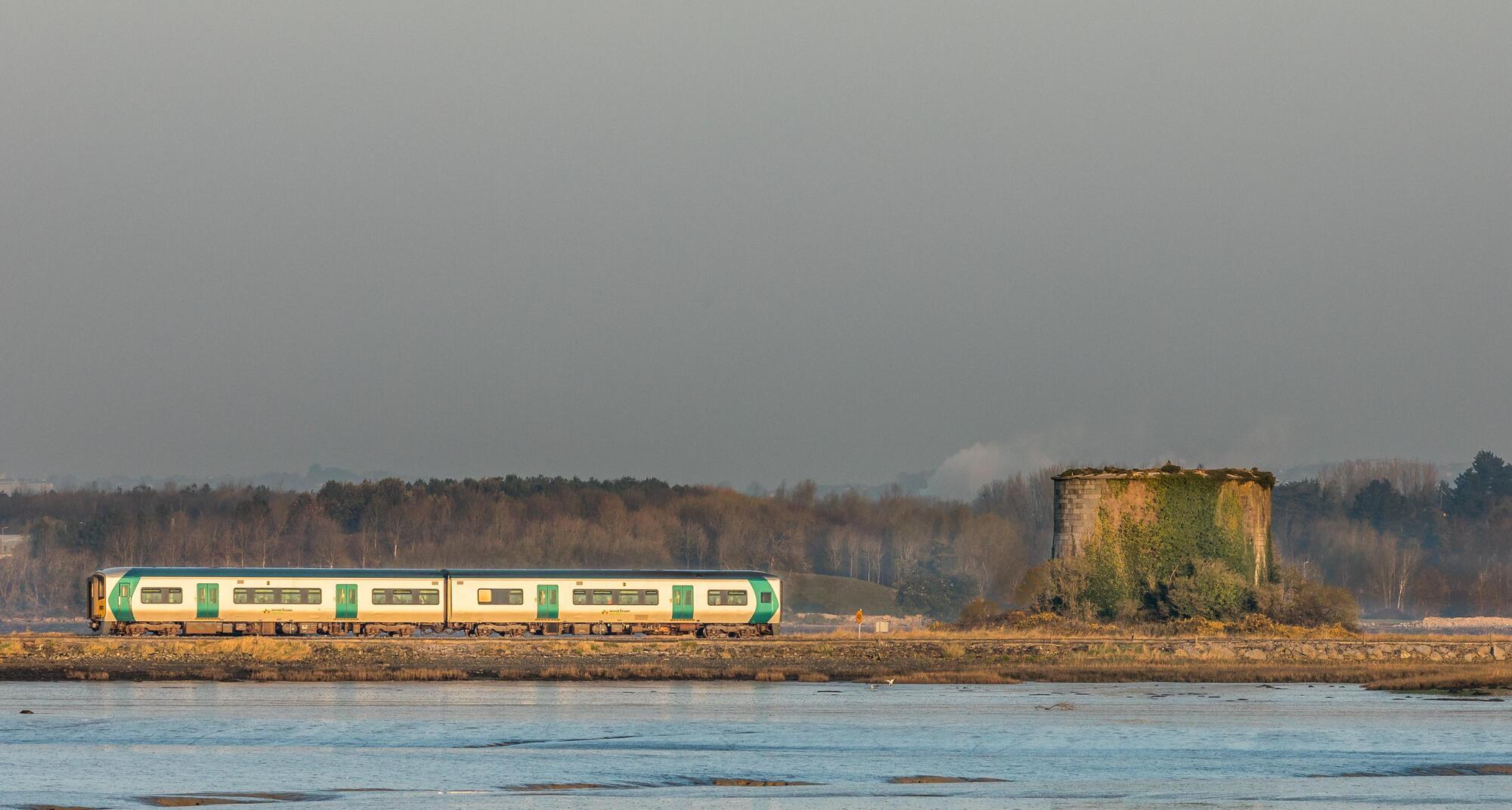
A commuter train on the way to Fota Island in Cork. Recent rail review recommendations, even if fully implemented, would still see Ireland with an inferior rail service than in 1906. Picture David Creedon
The recent release of a draft of the much-anticipated all-island rail review, outlines 30 recommendations to overhaul the island’s woeful rail network.
It has been hailed as “transformative”, and a “once in a generation” opportunity, which may be the case if you overlook the erasure of county Fermanagh, the meek attempt at reconnecting Donegal, and the lack of any real imagination.
The review includes 30 key recommendations including faster speeds, extended lines, and new stations in cities and towns like Cork, Omagh, and Letterkenny.
According to the report, the recommendations would bring 700,000 people within 5km of rail, shift 10% of freight onto the rail lines, and would service over 90% of airport passengers.
Despite these figures, rancour raised its head among the coalition parties, with Tánaiste Leo Varadkar claiming the rail report actually made the case for more investment in road infrastructure, adding that there are “limitations in a country of this size”.
A glance at the rail network of 1920s Ireland would suggest that the limitations here are in the scope of the Tánaiste’s imagination rather than the country’s geographical size.
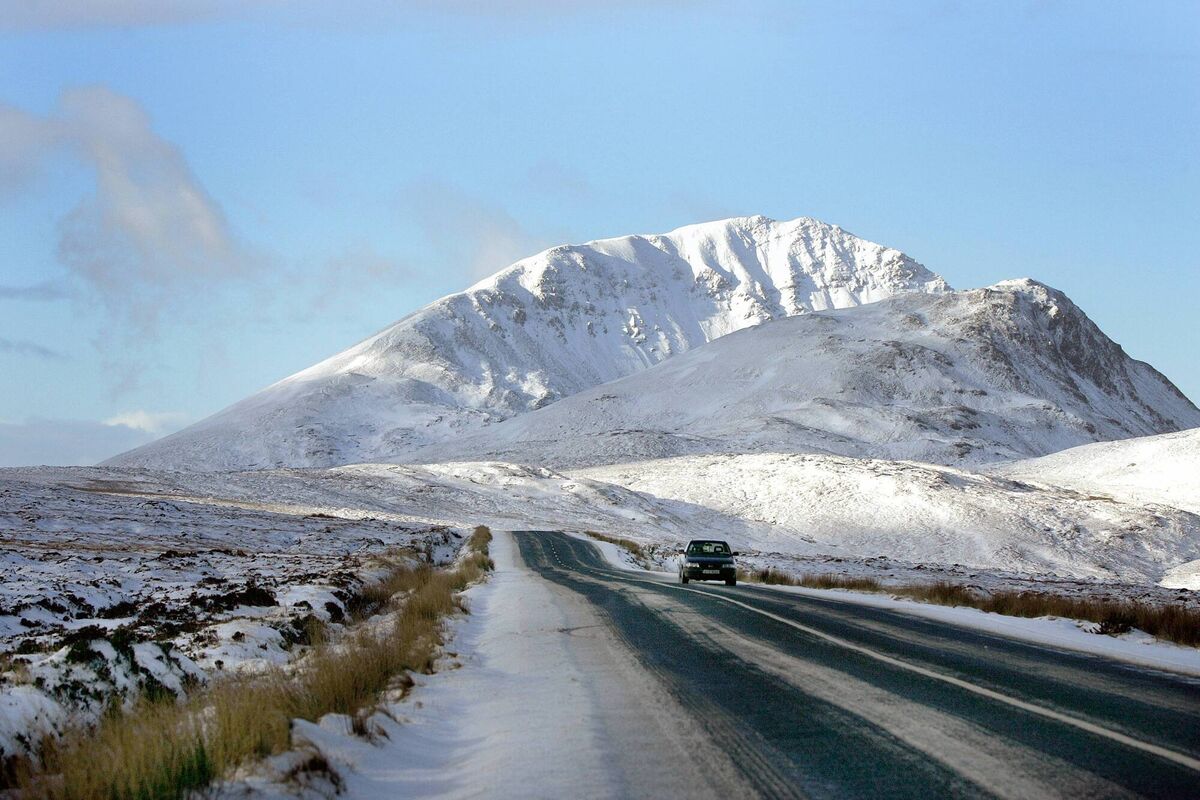
The decision to exclude Fermanagh in the report has been met with frustration, with SDLP councillor Adam Gannon stating that Mr Ryan is “living in a fantasy land” when suggesting that Fermanagh residents could simply commute by bus to lines in other counties.
Gannon added: "The approach shows a complete failure to understand how normal human beings think and weigh up travel options. The attitude of the minister, through his office, only serves to undermine the green policies and environmental work being pushed in rural areas such as Fermanagh.”
There are currently five counties without any rail services across the island: Cavan, Donegal, Fermanagh, Tyrone, and Monaghan. Under the proposed recommendations, Fermanagh would be the only county in Ireland with no rail infrastructure.
The review was an opportunity to dream big; its recommendations show that even when we dream, our dreams aren’t big enough for this island.
At present, Dublin ranks as the worst European capital for public transport and Ireland has the second highest reliance on cars in the EU.
Rail — and, electrifying the rail network — is a logical and necessary step toward reducing Ireland’s emissions. Both jurisdictions have a target of net zero by 2050 and while focus in Ireland remains fixed on agriculture as a means of bringing down emissions, transport is key.
Rather than an ambitious approach, the report is cautious. The review was tasked with the objective of connecting as many towns with a population of 10,000 as possible but this measurement does not consider the potential population growth that viable transport options could spur.
Dublin has been ranked as the second worst capital in Europe in which to buy property, after Stockholm in Sweden. If fast, reliable rail links were established to better connect our island, more people could live outside of the capital city.

Ireland has long been a popular tourist destination, and domestic holidays or so-called staycations are on the rise with a 14% increase in 2022 compared to pre-covid figures.
At present, it is a four-and-a-half-hour trip by rail with three changes to get from Cork to Galway. By car, it is closer to two and a half hours.
Expansions are timid. Yes, if delivered, there would be rail in Donegal for the first time since the 1950s, but the proposed line only goes as far as Letterkenny and stops dead there — is this really the best we can do? While the long-hoped-for Cork Luas gets a mention, but no concrete proposals. The estimated timeline for implementation of the proposed lines is 25 years. Even if every recommendation was delivered, people in Ireland would remain better served by rail in 1906 than 2050.
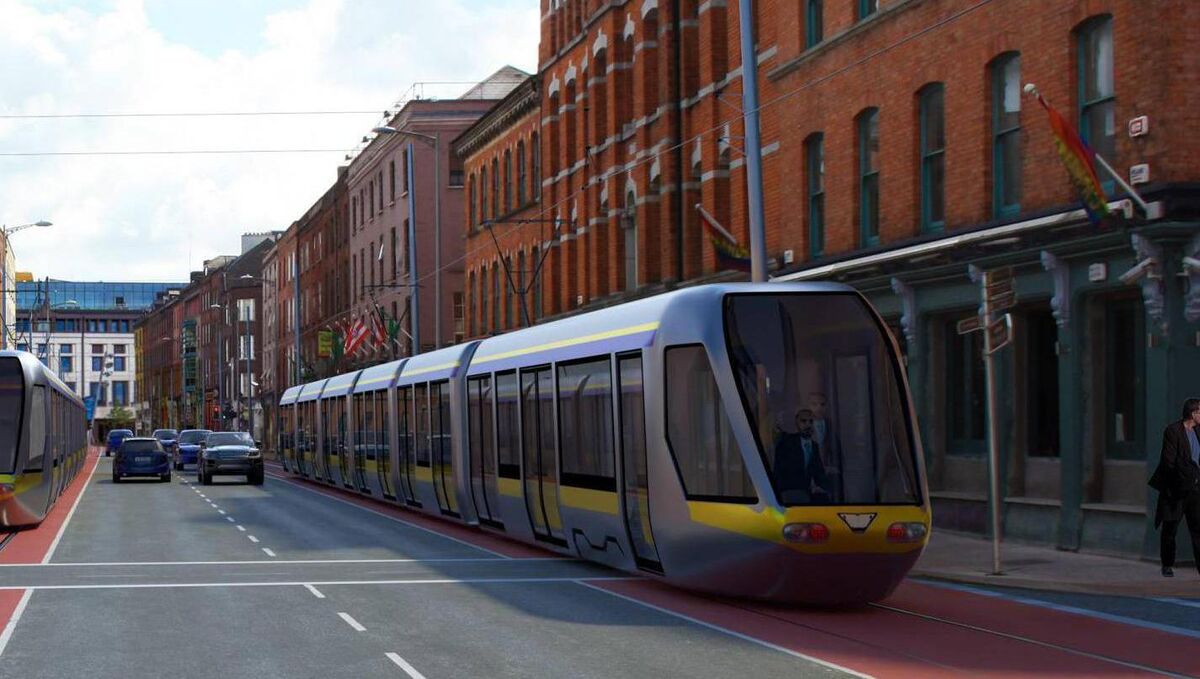
The elephant in the room here is Ireland’s track record when it comes to delivering large infrastructure projects. Just last month, it was reported that €150m has been lost on abandoned transport projects, the long-awaited Dublin metro has been perpetually stalled, despite €300m already being spent on the project, and work has yet to even begin on the North’s A5 western transport corridor, despite being proposed 16 years ago.
Ireland is lagging when it comes to modernising public transport; There are 130 electric buses in cold storage because of a lack of charging ports and walking into Busáras — the capital’s main bus centre — is like walking back in time to the 1980s.
Meanwhile, our European neighbours are building urban centres, streamlining rail and bus centres, and rolling out ambitious cross-country rail projects.
Rather than go it alone, Ireland should look to European experts, and lean into the wealth of knowledge already gathered regarding how to advance effective projects, and which would gladly be offered by its European partners.
The rail overall is to be a joint enterprise between the North’s Executive and the Irish government, with the cost estimated at £31bn (€35bn), £7.7 bn (€9bn) of which is slated to come from Northern Ireland.
Given that the North has been without a functioning Executive for almost 18 months, with public services buckling due to a lack of investment, the likelihood of this partnership delivering anything seems slim.
Without political leadership, a greater level of ambition, and timely intervention to overcome Ireland’s archaic planning processes, this report is destined to be thrown atop the dust heap of aspirational infrastructure projects that never materialise.
CONNECT WITH US TODAY



Be the first to know the latest news and updates