New commuter stations for Cork and high-speed intercity trains part of major rail review
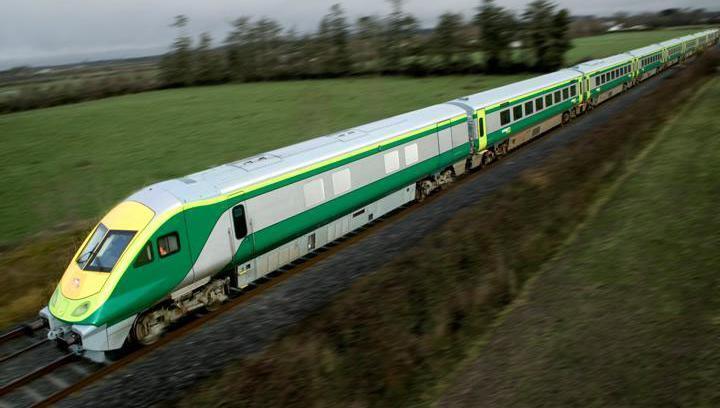
Speed of intercity railways should be increased to 200km per hour while regional services should be increased to at least 120km per hour, report says.
Faster and more frequent rail services, new stations in Cork and an expansion of the rail network into Donegal, Cavan, and Monaghan are among the key recommendations in a landmark rail review.
The draft All-Island Strategic Rail Review, which was approved by Cabinet on Tuesday, calls for significant upgrades to the Irish rail network in the short, medium, and long term.
In particular, the report calls for an hourly train service between major cities and that regional and rural services have at least one train every two hours.
The report also says to ensure train journeys are more attractive than car journeys, the speed of intercity trains should be increased to 200km per hour while regional services should be increased to at least 120km per hour.
It does not recommend investing in high-speed rail of up to 300km per hour, however, saying the potential benefits of this type of transport would not outweigh the cost of developing it.
“Given the distance between key population centres, there are diminishing economic returns in targeting speeds above 200km/hr,” the report reads.
The report also acknowledges ongoing work on the Cork Metropolitan Area Transport Strategy, which has recommended developing light rail in the city between Mahon and Ballincollig.
Transport Minister Eamon Ryan said it would take 30 years to deliver on everything in the review
“It’ll take three decades to deliver it, it’s not cheap but, at the same time, not doing it would be incredibly expensive. Our country would be gridlocked, our emissions would keep rising. This gives us a better alternative,” Mr Ryan said.
The report also proposes reopening several lines around the country, as well as developing new train lines — particularly between Donegal and Derry.
The proposal itself is to develop a new rail link between Letterkenny in Co Donegal to Derry. It says this would help improve connectivity between Donegal, Belfast, and Dublin, allowing easier access to key cities.
Additionally, it calls for railway developments within the North Midlands, with proposals for train lines to go between Portadown, Cavan, Mullingar, and Athlone.

While new railways have been proposed, there are also calls to reinstate existing lines, including the Western Rail Corridor between Claremorris and Athenry, the South Wexford Railway and continue work on the new Limerick to Foynes Port link.
Asked about timelines for the projects, Mr Ryan said Irish Rail was confident the rail line between Limerick and Foynes could be up and running in 2025.
Mr Ryan added he would be seeking for additional funding from Ireland’s windfall corporate tax receipts to be allocated towards developing rail infrastructure around the country.
"Investing in climate action, investing in that more sustainable future is part of what we should do with the funds," Mr Ryan. "We need to invest more."
The decarbonisation of Ireland’s rail network is also recommended, including the electrification of Ireland’s intercity rail services. Overall, the report calls for an all-island rail decarbonisation strategy to be developed.
With submissions on the review now able to be made, it is expected a final report will be completed before the end of 2023.