Catherine Conlon: We've introduced health labelling on alcohol — time to do the same for junk food
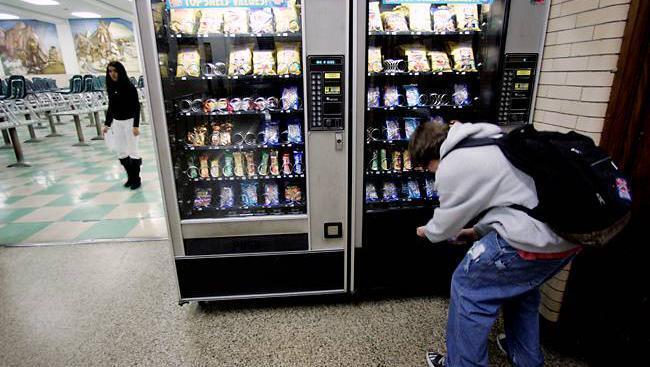
Laced with additives that are crammed into tiny print on the side of the packet, we all instinctively know these hyper-palatable, colourfully wrapped products that consume half of our diet are now increasingly linked to both overweight and chronic disease. Picture: AP/M Spencer Green
The European Food Agency announced on July 19 that the bill to ban the production and marketing of synthetic food has passed the Italian senate.
Coldiretti, Italy’s biggest farmers’ association, lobbied for the ban, arguing homegrown produce needs to be shielded from "the attacks of multinational companies".
Francesco Lollobrigida, the minister for agriculture and food sovereignty, said the aim of the bill was to "protect our culture and tradition, including food and wine".
"Laboratory products, in our opinion, do not guarantee quality, wellbeing and the protection of our culture, our tradition."
Completely absent from the conversation is the impact of ultra-processed foods (UPF) that also compete with culture and tradition and are also crammed with synthetic additives.
The difference is that the ultra-processed food industry underpins the agriculture industry rather than directly competing with it, providing a global market for its products.
Laced with additives that are crammed into tiny print on the side of the packet, we all instinctively know these hyper-palatable, colourfully wrapped products that consume half of our diet are now increasingly linked to both overweight and chronic disease.
Infectious disease doctor and broadcaster Dr Chris van Tulleken attempts to summarise the evidence in his latest book .
Here’s the evidence.
The destruction of the physical structure of food by physical, chemical and thermal processing in general leads to a much softer food. This means it is eaten much more quickly. How long does it take to drink a glass of juice compared to eating the same piece of fruit? What is the result? You eat or drink more because it is ultra-processed.
Because UPFs are dry (to give them a longer shelf life), high in fat and sugar and low in fibre, food is more calorie-dense. UPFs are also addictive, meaning that for many people, binges are unavoidable.

Whole foods are displaced from the diet by UPF. You can have an apple or an orange for a snack or take the quick and easy option of a KitKat. As well as being high in fat, salt and sugar, UPF is micronutrient deficient and riddled with additives.
There is evidence that a lack of micronutrients such as antioxidants, vitamins and minerals affects weight directly by altering levels of the hormone leptin, which in turn affects appetite and body weight.
Neither can we supplement our way out of the problem. Micronutrients are way more efficient when they are eaten as part of food than taken separately as a supplement.
There is research to demonstrate that the mismatch between the taste signals from the mouth and the nutrition content of some UPF alters metabolism.
One example that van Tullekan gives to explain this is Coca-Cola, the best example of how UPF can hijack taste interactions to make us eat or drink more food.

Coca-Cola tastes bitter from caffeine as well as sour from added phosphoric acid.
"Together they allow a huge among of sugar to be smuggled past the tongue," suggests van Tulleken.
"But they don’t do it alone. The drinks’ fizziness contributes too as does the suggestion to serve it ice-cold. For reasons that aren’t entirely clear, you can suppress sweetness if you make something cold and fizzy."
Think about warm, flat Coke — despite the bitterness and sourness, it’s so sweet it’s disgusting.
Whether we learn to want a particular flavour seems to depend on how much our blood glucose changes when we consume it. The more sugar goes up, the more flavour is desired. Making drinks bitter, cold, and fizzy increases the sugar load and the craving.
There is mounting evidence to suggest that emulsifiers, preservatives, modified starches and other additives damage the microbiome, which could allow inflammatory bacteria to flourish and cause the gut to leak.
The gut is lined with a mucus layer that is full of antibodies and immune cells that interplay with the microbiome — which makes one of the body's largest immune organs. Microbes live in a warm wet mucus home that feeds them and limits their ability to leave the gut.
"Caring for that community of creatures is intimately linked to good health," warns van Tulleken, "and that means eating a good diet."
To cut a long story very short, the bacteria in the colon ferment fibre, and make energy for themselves which creates other molecules called short-chain fatty acids that the body uses for a variety of purposes, including "to reduce inflammation, regulate the immune system and are specialist fuels for the heart and brain".
When the gut lining is damaged the local effective ecosystem of microbes is disrupted leading to dysbiosis.

The evidence suggests this dysbiosis is linked to inflammatory bowel disease, other inflammatory conditions like rheumatoid arthritis, autoimmune disease, allergies, and also metabolic disease like obesity and type 2 diabetes.
The communication with the brain is not well understood but the microbiome does appear to play a role in how we think, feel and behave.
A review in (2015) published a series of animal studies on the effects of dietary emulsifiers on the microbiome and concluded they "may have contributed to the post-mid-twentieth-century increase in the incidence of inflammatory bowel disease, metabolic syndrome and perhaps other chronic inflammatory diseases".
With the evidence piling up, what can governments do to limit the impact of UPF on both weight and health?
In 2016, Chile implemented a set of policies that put marketing restrictions and mandatory black octagonal labels on foods and drinks high in energy, sugar, salt and saturated fat. These foods were also banned in schools and heavily taxed.
These are key steps that would transform the food market in Ireland. We have introduced health labelling on alcohol and set a template for other countries to do the same. Isn’t it time to consider the same steps for food?
Labelling had a huge impact on the purchase of UPF in Chile. But an even bigger result was the evidence the regulation made children ask their parents not to buy the products.
Imagine a situation in Ireland where kids are saying to their parents to stop buying junk food because it’s unhealthy. Chris van Tulleken tells us that kids are smart — they care about their health and the health of their parents.
It is clear that legislation is needed to change the food market. And it works. We saw how legislation worked with the sugar tax to force food companies to alter their products rapidly and decisively.
Now that we have the evidence, at a time when health services are overwhelmed by chronic disease that is directly linked to poor diet, there has never been a better time for robust action to move the dial on UPF and incentivise a healthy food market that matches everybody’s pocket.
- Dr Catherine Conlon is a public health doctor in Cork and former director of human health and nutrition at Safefood