Imasha Costa: Unseasonably dry Sri Lanka shrivels during 'rainy season'
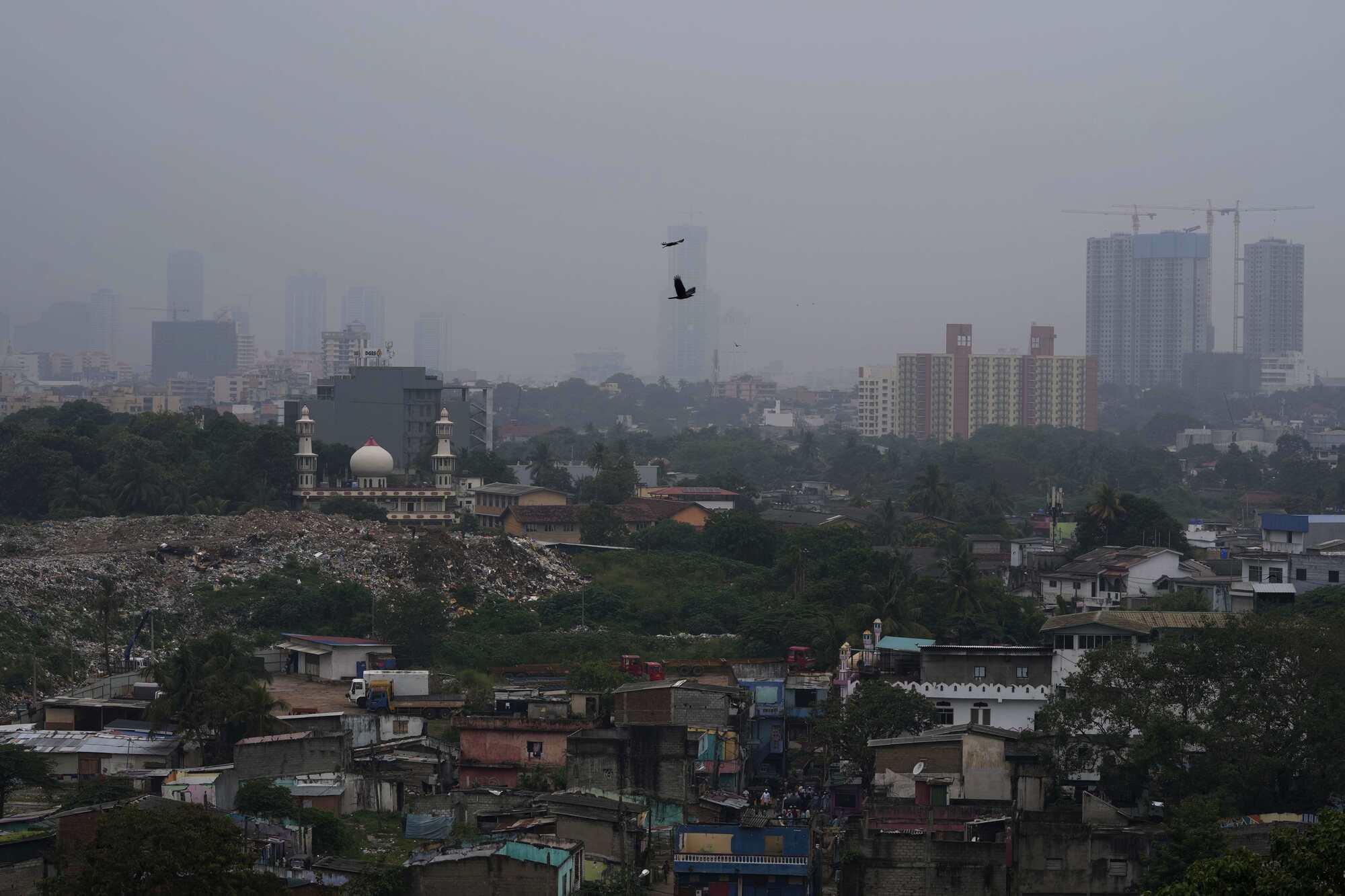
Smog and fog envelop the skyline in Colombo, Sri Lanka, on December 9, 2022. Schools across Sri Lanka were closed as health and environment officials said air quality was unhealthy in most parts of the island nation partly due to extreme weather conditions. Picture: Eranga Jayawardena/AP
It had been five years since I went back to Sri Lanka, my mother’s homeland and a place of solace for me.
I had planned to travel around the country, to remind myself what it looked like, and to see my mother and extended family after two long years. And for two weeks I did all those things, but I had not expected scorching heat, heavy humidity, and no rain.
One of my favourite memories is of dancing in the heavy monsoon rain of a Sri Lankan July with my cousins and nan on my aunt’s terrace in Colombo back in 2016. We would walk barefoot down to the cement roads outside the house and just dance and laugh as we spun each other around in the pouring rain.
But this July, I spent much of my trip sitting on a hand-carved wooden chair in my uncle’s house directly in front of a standing fan that was on full blast, hiding away from the strong sun blazing outside. And there was only one thought that kept crossing my mind: “I miss the rain in Cork.”

I found myself slowly ticking off the days until I would get on a plane out of Colombo and land back in Dublin. I imagined what it would feel like to have a cool breeze on my face. And as I walked towards the Luas after getting off the bus on O’Connell St, I was delighted to feel the sideways rain on my hair and face.
In Sri Lanka, the monsoon season is known for causing heavy floods and torrential downpours, and it is usually divided into two periods, reflecting on the rice-cultivation period in the country. The Maha season runs from October to January and usually affects the northern and eastern areas of the country, while the Yala season runs from May to August and affects the south and western regions.
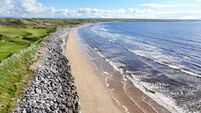
Before climate change began wreaking its havoc, it was common to see bouts and bouts of rain for days on end, and high, brutal waves on beaches on the west and south coasts. On this visit, we were mainly staying in the western region of the country, in the Ragama district. For the two weeks we were there, there was no rain, until the night I flew out to Dublin.
I thought this holiday would be ideal for me and my mother to catch up on lost time. Unfortunately, any time we were travelling for long periods, chatting was out of the question because the heat gave me a splitting migraine, and made her car sick.
Following political scandals prompting the resignations of both brothers prime minister Mahinda Rajapaksa and president Gotabaya Rajapaksa in July 2022 after protests from the people, the country is still in debt.
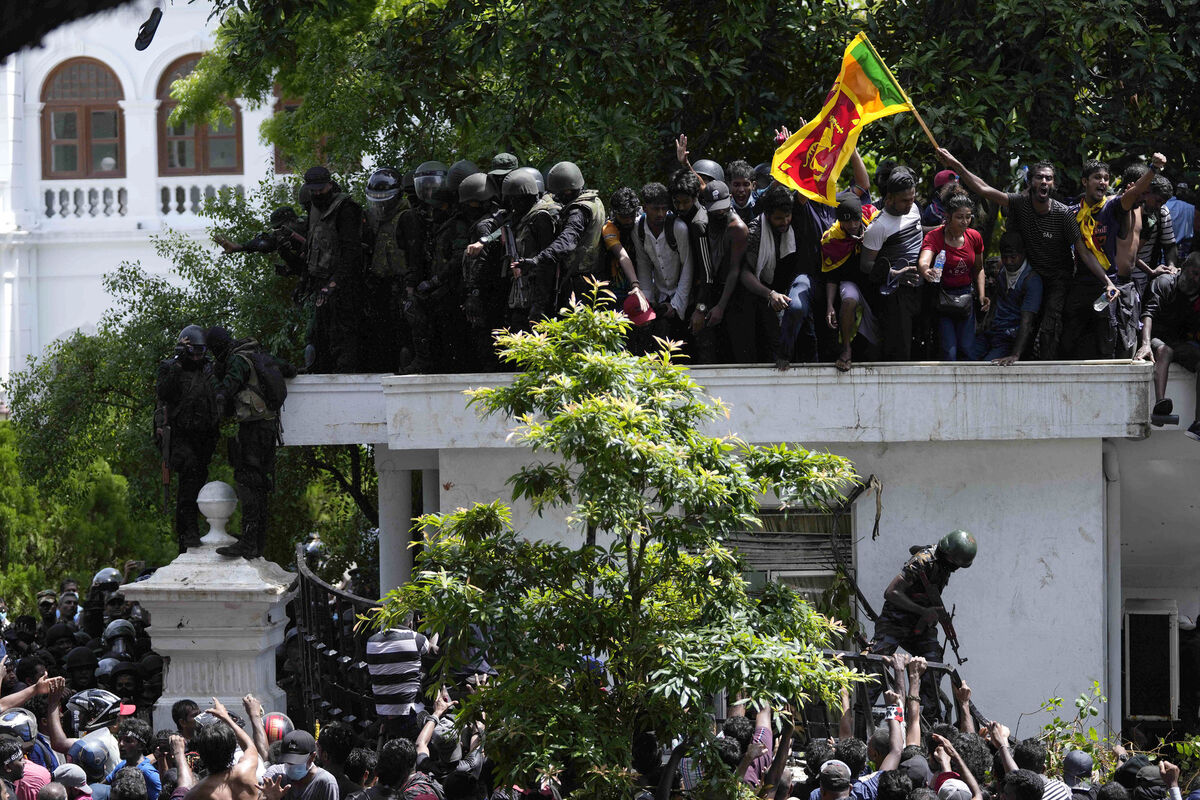
Sri Lanka is struggling, with food prices climbing, petrol rationed to 30lt a week, and high electricity prices.
But people still have to work, to put food on the table; and every morning people leave their homes, and instead of taking their air-conditioned cars to work, they are forced onto overcrowded buses and trains that don't have air conditioning. The buses sit, often for hours, in heavy Colombo traffic.
As we travelled around the country, hand-built wooden shacks were vacant in the mornings. In 2018, those shacks were filled with avocados and mangos the size of soup bowls, with eager sellers standing out by their storefronts waving us down to buy their items. They were fewer this year as people hid away from the sun under what was possibly the only working fan that they had.
We stopped at different tourist spots, and every second tourist we met complained about the heat, thanking their lucky stars they would be back in an air-conditioned room for the night. My uncle’s face flushed when he heard that; the only time he would ever experience air conditioning was in the car — but that too was limited due to petrol rationing.
I felt privileged to be coming back to a country where I could survive without fans or air conditioning while people in Sri Lanka were struggling to make ends meet and endure temperatures of over 30C.
The impact of this unseasonable weather — and disruption to the monsoon and rice-growing season — could adversely affect food security in Sri Lanka as the country sees temperature increases as well as extreme rainfall irregularities.
A study published in 2021 stated that "climate shocks and changes in weather patterns" affect agriculture to a greater extent in Sri Lanka compared to many other countries.
As climate change shows its teeth throughout the world, Sri Lanka is yet another country that is changed utterly.
CLIMATE & SUSTAINABILITY HUB
CONNECT WITH US TODAY



Be the first to know the latest news and updates