Changing relationship sees Ireland more in tune with British coronation
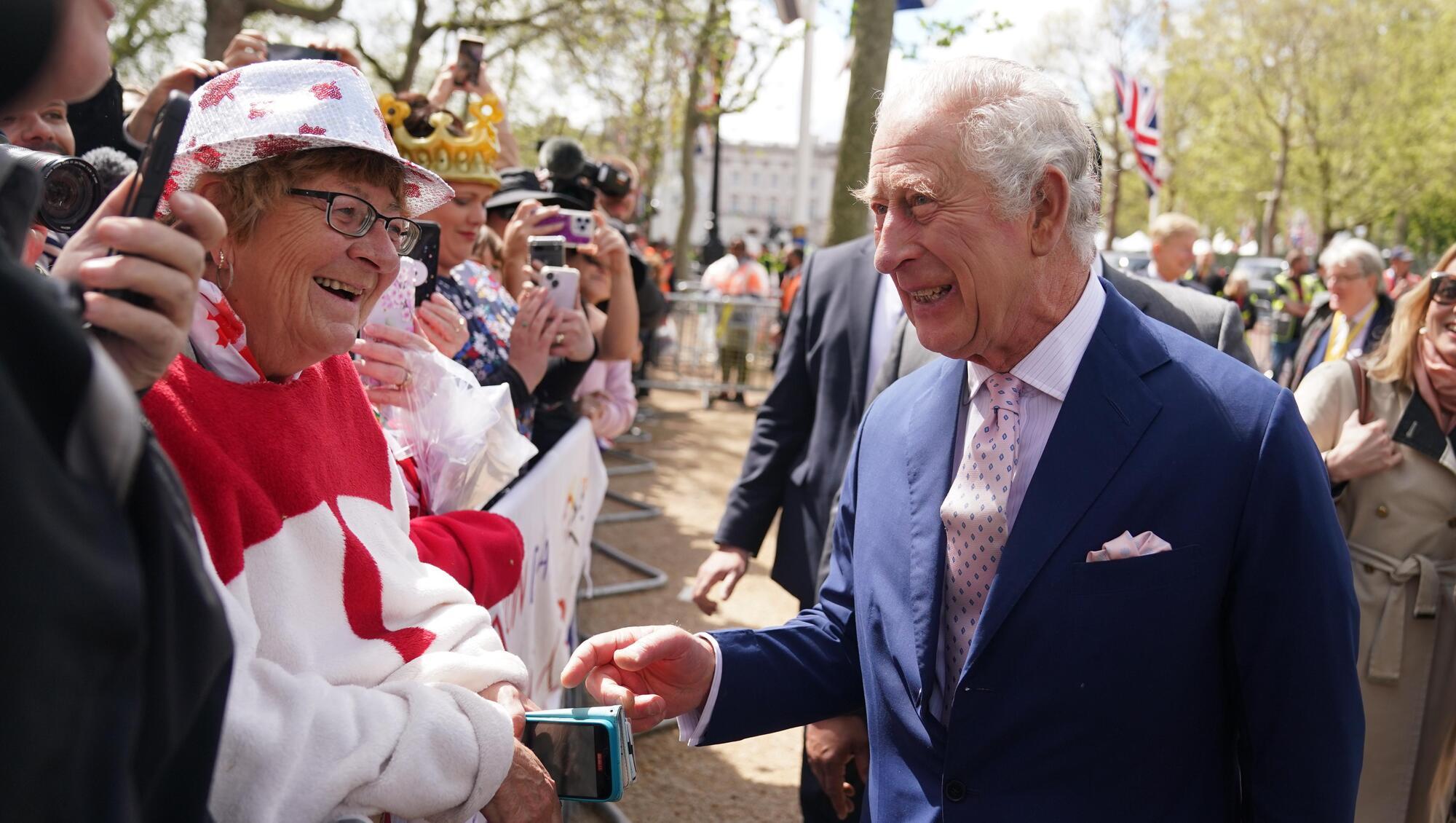
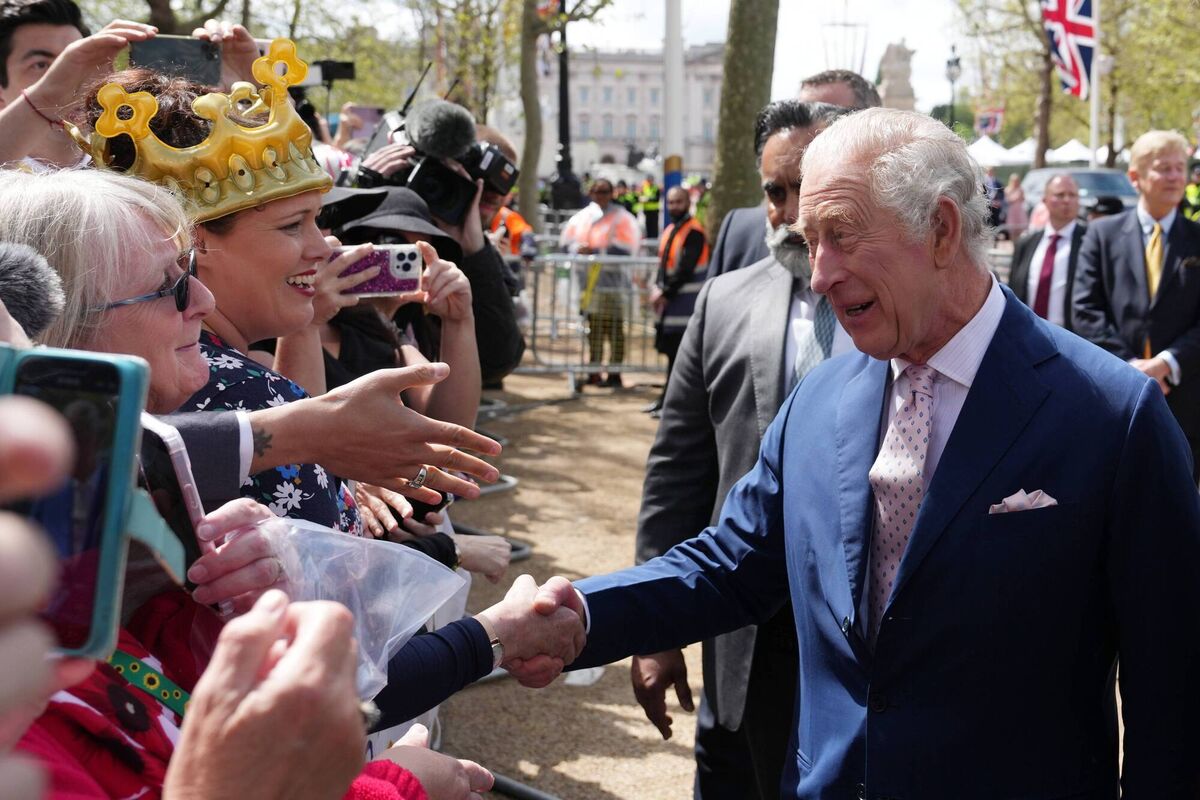
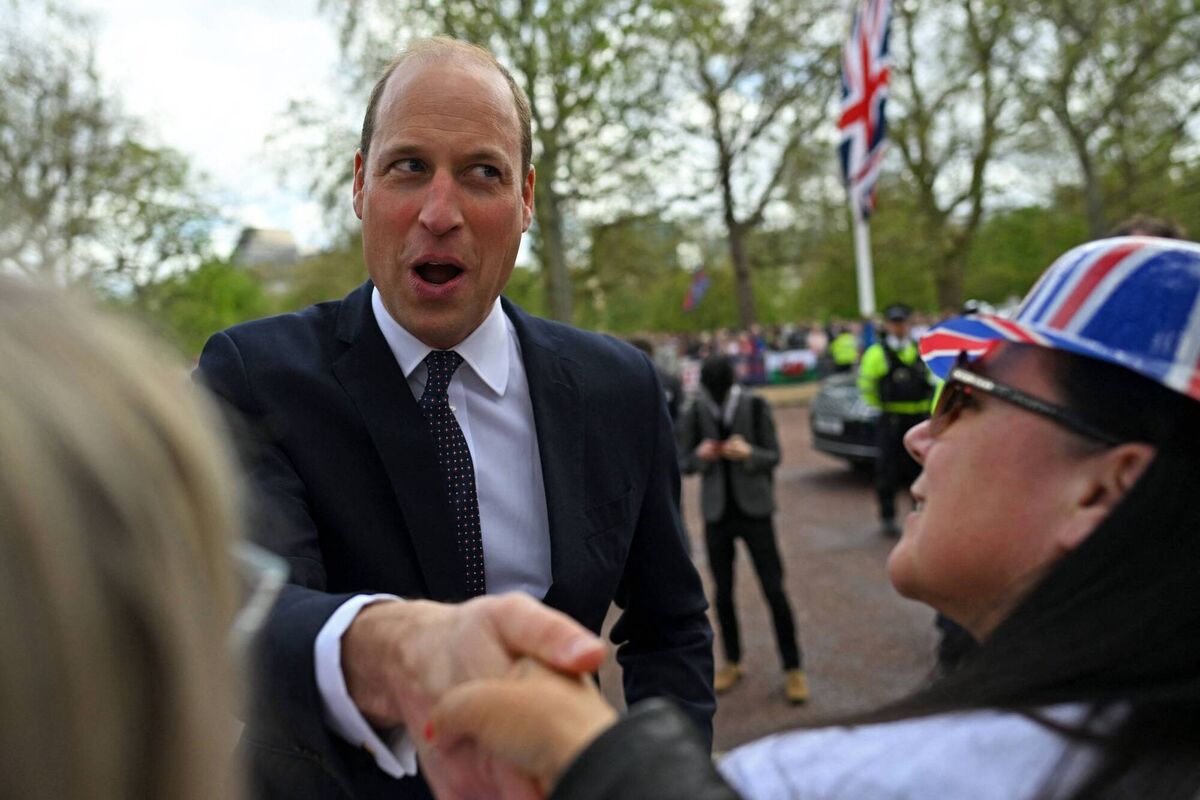
Britain's King Charles III on a walkabout outside Buckingham Palace, London, to meet wellwishers ahead of the coronation on Saturday. Picture: James Manning/PA Wire
The last time that a British monarch was officially crowned at a coronation, it barely made the newspapers in Ireland.
President Sean T O’Kelly and Cardinal John Dalton were front-page news instead of Queen Elizabeth II in 1953, according to historian Dr Brian Murphy.
The head of State and the head of the Catholic Church in Ireland, respectively, were given the Freedom of Dublin City on the same day as the coronation across the water, dominating most column inches in Ireland’s media, he said.
The Technological University of Dublin historian said it was most probably an early example of modern political spin and attempts to influence the news cycle, given the fractious relationship between the two nations at the time.
“Considering both the head of State and head of the Catholic Church were honoured on the same day as the queen became both head of State and head of the Church of England, it wasn’t too subtle a message," he said.
“Minister for External Affairs, Frank Aiken, did not mince words at the time of the coronation, saying that 'it is an outrage on Irish sentiment to describe Queen Elizabeth as queen of any part of Ireland', in response to the inclusion of the North in her title.
“Even as recently as 1981, when the now-king was Prince Charles, the President of Ireland Dr Patrick Hillery did not accept an invitation to his wedding to Diana Spencer. He did not attend on the advice of Charles Haughey’s government, with Anglo-Irish relations being fractious at the time.
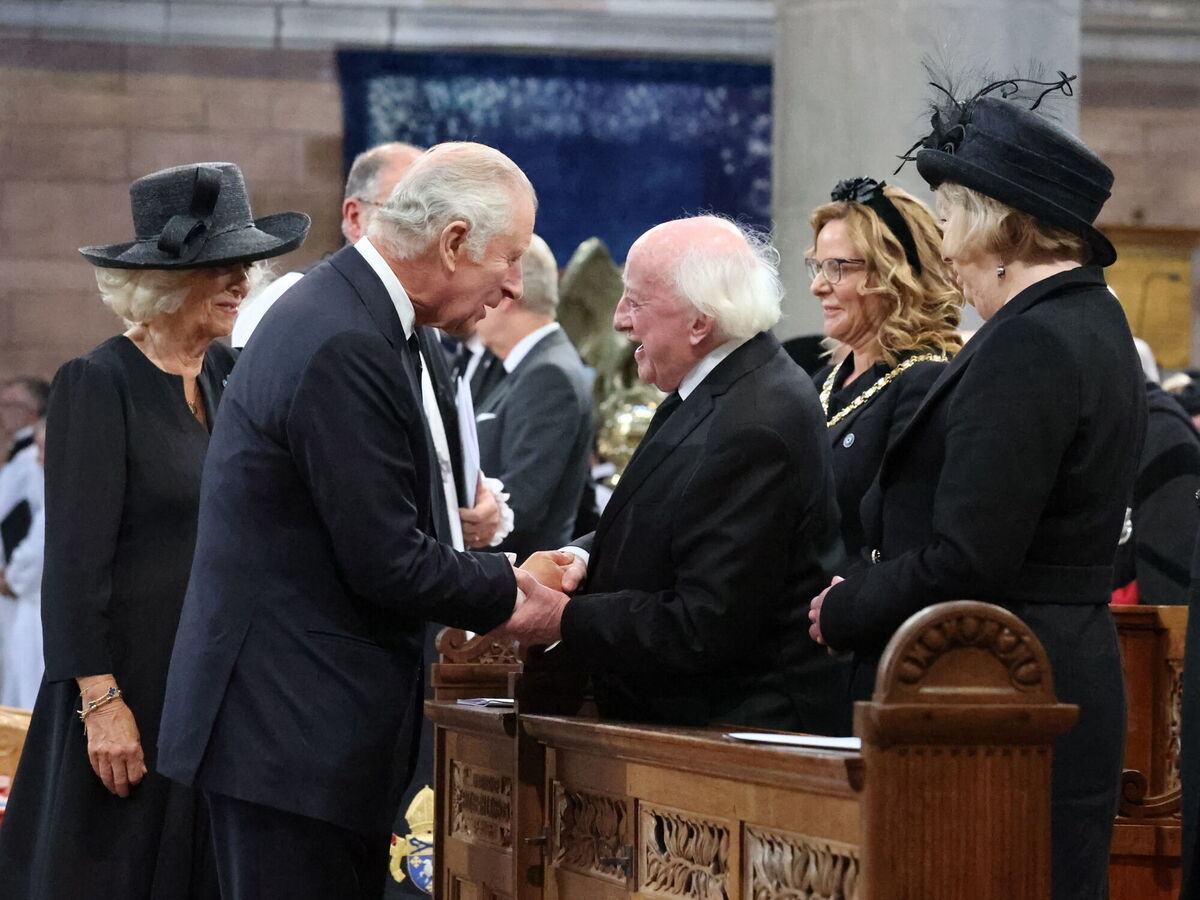
"Brexit may have caused difficulties, but President Michael D Higgins and other political figures attending the coronation is a significant milestone in the two countries’ history.”
President Higgins has already met the king on at least nine occasions — such a relationship was unheard of in decades gone by, Dr Murphy added.
The fact that King Charles III will speak Irish during his coronation is also a moment of history and bridge-building, but also a subtle nod to politicians in the North to get on with leading, Dr Murphy said.
“It may not be the overriding reason why he will do so, but the message is subtle and powerful, considering the controversy surrounding the Irish language by some unionist politicians," he said.
"All of us who value our own national language, we want to see cherished and keep it vibrant, and it is a mark of respect.”
The difference in outlook between the British public in 1953 and 2023 is also palpable, according to the historian.
“There is no doubt that respect for the monarchy is waning," he said. "Or at the very least, there is certainly more scrutiny today — there are loud voices saying they don’t believe in it, which are far more in number than the dissident voices in the 1950s.
“There was a lot more affection and respect for it 70 years ago compared to today. It is not as strong now as it was, and King Charles has a job to convince those who question the value of the monarchy.”
Even though Irish people have no connection or appetite for royalty of their own, that does not mean they are not interested, according to Dr Murphy.
“Back in 1953, we had no State broadcaster, and the coronation was instead to be shown in cinemas in Ireland," he said. "However, many did not go ahead with it due to threats from anti-partition organisations.
“Today, whether we like to admit it or not, we are influenced by British culture and media, and plenty will watch from this side of the water.
There is also a Cork connection to the future kings, Prince William and his son Prince George.
Princess Diana’s maternal grandparents were Maurice and Ruth Roche, also known as Baron and Baroness Fermoy.
Maurice Roche was a grandson of Edmond Burke Roche, the First Baron Fermoy, who was born in Cork in 1815 and was a direct descendant of Maurice FitzEdmund Roche, the Mayor of Cork in the 1500s.
Edmond Burke Roche is buried in Whitegate in East Cork.
CONNECT WITH US TODAY



Be the first to know the latest news and updates