In 2026, the people of Sudan wish for the guns to fall silent
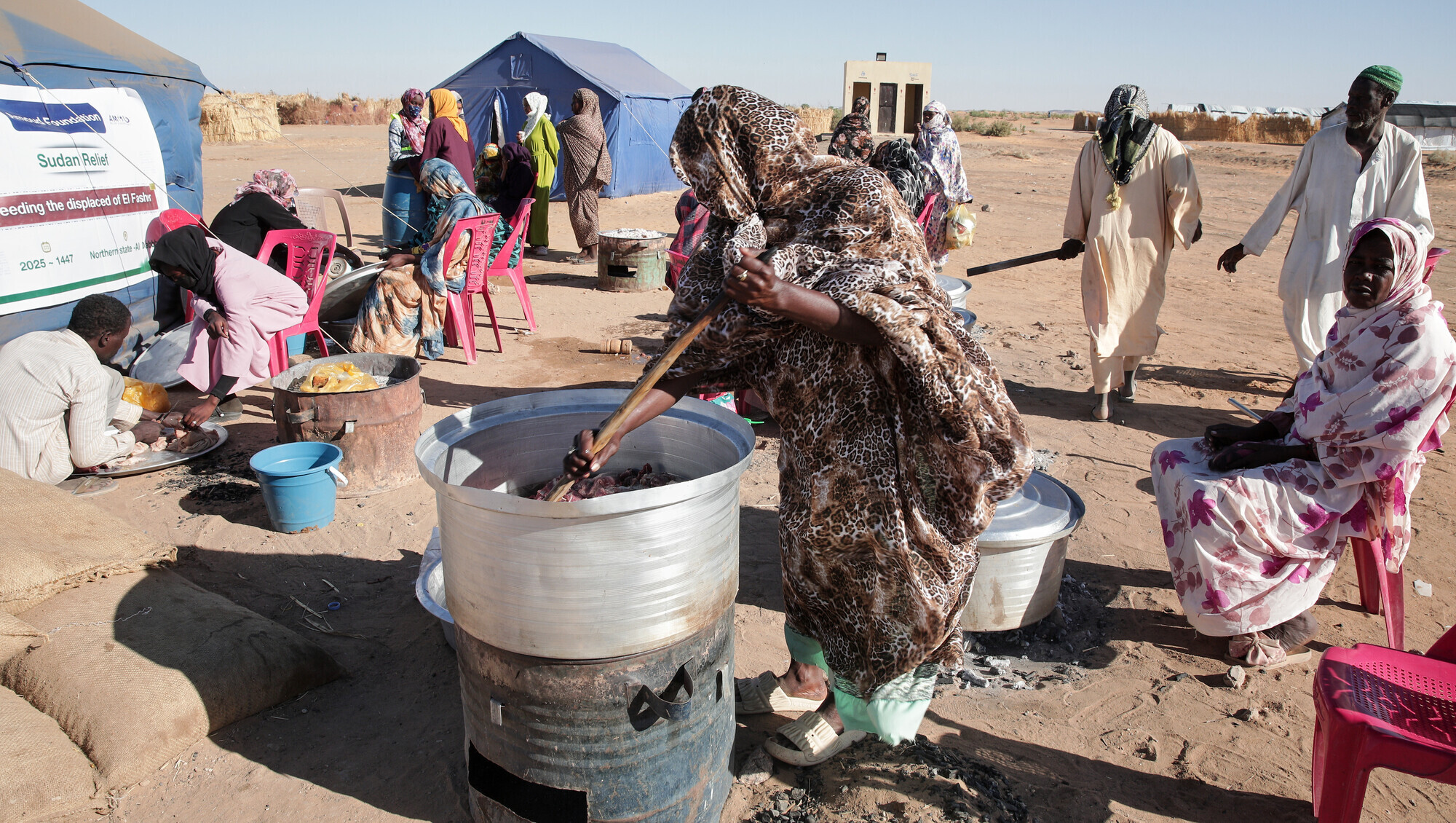
Sudanese women displaced from El-Fasher cook meals at a community kitchen inside the newly established El-Afadh camp in Al Dabbah, in Sudan's Northern State. Picture: AP Photo/Marwan Ali
While the world watches the horrors of some conflicts live-streamed onto their phones, the war in Sudan continues to go catastrophically underreported, underfunded, and largely ignored by the international community. This silence is not just political neglect; it is contributing to the world’s largest humanitarian crisis.
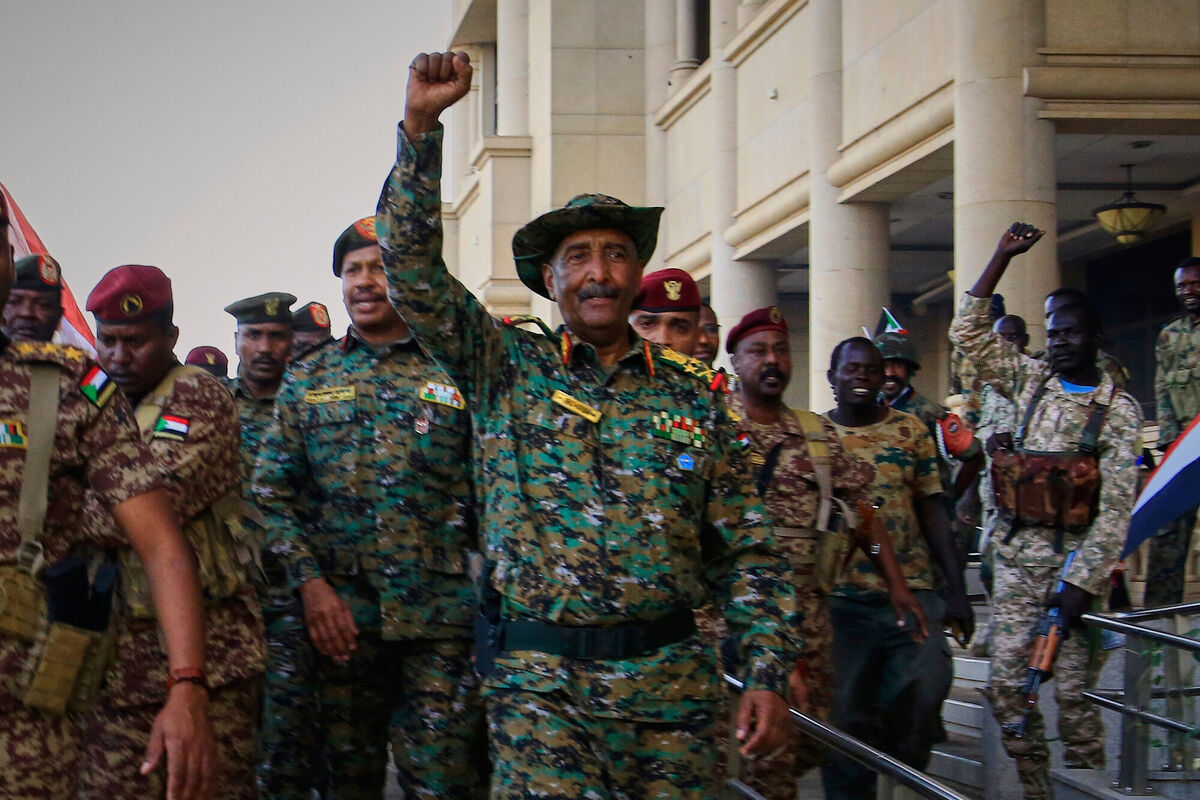
What began as a hope for reform has become a brutal two-year conflict between two generals, each armed and supported by international actors, including the UAE, Egypt, Iran, Saudi Arabia, Russia, China, Serbia (via arms sales to the UAE), Turkey, and Yemen.
Their struggle for power and resources has devastated the country. Reports of genocide and a man-made famine are mounting. Some 30m people now require humanitarian aid, and 12m are displaced. In the absence of meaningful dialogue or international leadership, Sudan is falling into the abyss.
The recent fall of El Fasher — the city fell at the end of October after a brutal 18-month siege, marking the last state capital in Darfur to fall — signalled a turning point.
The Rapid Support Forces (RSF) now control all five Darfur capitals. That collapse has pushed the frontline into the Kordofan states.
These regions are strategically important and central to the shifting contest between the Sudanese Armed Forces, who hold roughly 60% of Sudanese territory, and the RSF, whose advances are growing.
South Kordofan has become one of the most desperate and least visible theatres of this war. Kadugli and Dilling are sealed off. Food systems have collapsed entirely. Famine has already been declared in Kadugli. Nothing enters, and no one leaves safely.
Despite these horrors, the humanitarian response plan for Sudan is only 25% funded. Earlier in 2025, the United States’ aid cuts wiped out a large portion of the funding that did exist.
The impact was immediate. Clinics closed, food deliveries halted, and basic services disappeared. Meanwhile, outbreaks of cholera, malaria, and measles have spread through communities with no functioning health infrastructure.
Trócaire, with our partners, continues to work in this increasingly complex environment. The areas where the conflict is most intense, including Darfur and parts of Kordofan, are the same regions in which we operate.
For most people surviving the violence and genocide, hunger is their greatest fear. Twenty-five million people face acute food insecurity.
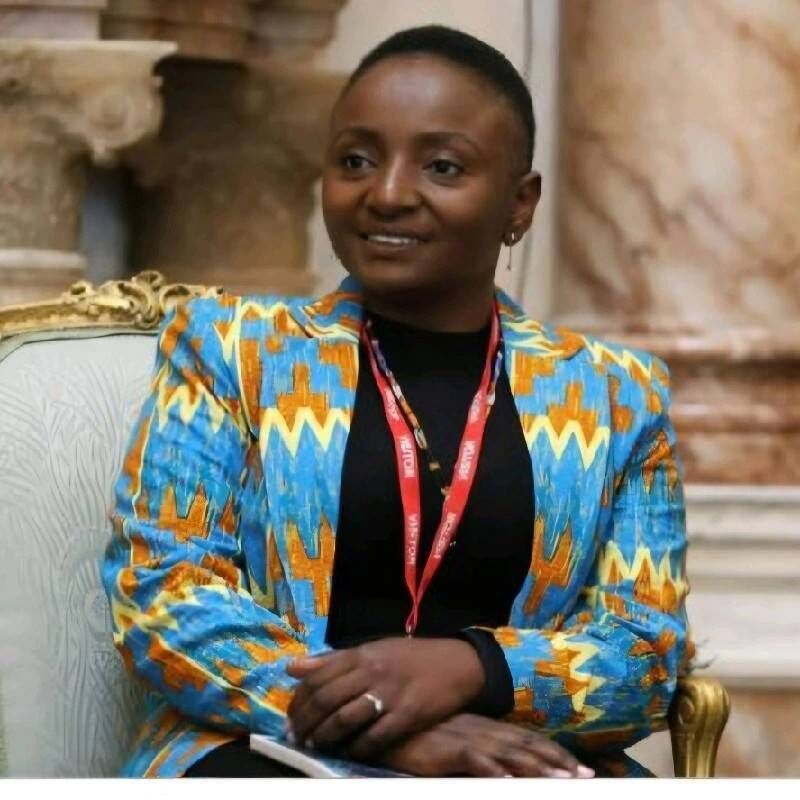
As Trócaire’s country director for Sudan, every conversation with families returns to the same thing: “We are hungry”. I have seen people survive on leaves. Mothers boil weeds to feed their children because there is nothing else. A nurse in one of our clinics told me about a woman who came in after eating poisonous roots in desperation. Sadly, she did not survive the night.
Children are suffering the most. It is the tragic pattern of every conflict. Despite these conditions, Trócaire and our Sudanese partners remain among the few organisations able to reach affected communities.
We operate health facilities, provide emergency nutrition treatment for children and mothers, supply medicines, and support local mutual aid groups that hold communities together. But the scale of need now far exceeds humanitarian capacity.
Every week, nurses call to report another child who has died. And beyond the areas we can reach, children are dying in isolation, far from where we can access. Those deaths are unseen and unrecorded.
Despite the desperation, every so often there are moments that remind me why our work matters. When a severely ill child finally recovers, and a mother returns holding her baby and says, “look, see my child,” those moments are powerful. They remind me that despite everything, lives can still be saved.
Last year, famine was declared in the Zamzam camp in North Darfur. Yet, very little aid has reached it. Without access, even the most basic humanitarian efforts fail.
This is not simply a crisis of scarcity. It is a crisis of access, of arms, and of accountability.
What is happening in Sudan is a manufactured famine, and alongside it, a genocide. Women’s bodies are treated as battlegrounds. Sexual violence is used as a strategy of war. Childhoods are erased before they begin. A generation will bear the consequences of this trauma long after the gunfire stops.
I have worked with Trócaire for 14 years. In that time, I have witnessed the difference that Irish solidarity can make.
Last year, almost 113,000 people received lifesaving health and nutrition support through our programmes, including nearly 9,000 children suffering acute malnutrition. This represents tangible impact in the lives of people who otherwise would have had no chance of survival.
Trócaire’s work is not only about delivering food or medicine. It is also about defending human rights and exposing the political and economic systems that drive conflict. We know much of this war is financed through illegal mining. The money flows out of Sudan and into global supply chains. Gold leaves the country, but the weapons remain. European companies must not be permitted to bankroll armed groups, directly or indirectly, through gold purchases, arms components or technology supply chains.
The solution cannot be despair or resignation. At Trócaire, we appeal to political leaders to acknowledge the crisis and intervene. We ask for respect for international humanitarian law and international human rights law. We call for sanctions against the parties to the conflict to bring them to the negotiating table, and for a halt to the flow of arms.
Civilians must be protected. Humanitarian access must be guaranteed. Sudanese civil society must be supported to lead their own response. They are on the ground, and are already doing the work.
As the war rolls on, desperation deepens. People feel abandoned. As long as international actors continue to supply weapons, there is little hope of peace. Those who profit from conflict do not rush to end it.
For the people of Sudan, there is one message that matters right now: The guns must fall silent. Nothing will echo louder now for the people of Sudan than the silencing of the guns.
You can support Trócaire’s ‘Children caught in conflict’ appeal online here
CONNECT WITH US TODAY



Be the first to know the latest news and updates