Dr Catherine Conlon: Why are strep A case numbers rising and what can parents do?

The increase in cases in the last quarter of 2022 was unusual as iGAS infections typically peak in the first half of the year. File photo.
Notifications of invasive Group A streptococcus (iGAS) infections in Ireland have increased since October 2022, according to an update from the Health Protection Surveillance Centre (HPSC) earlier this month.
The increase in cases in the last quarter of 2022 was unusual as iGAS infections typically peak in the first half of the year. It is unclear why this has happened but altered social mixing patterns during the pandemic might have been a factor.
Between October 2022 and April 2023, more than 219 cases of iGAS were notified in Ireland. Of these, a third (72) were in people aged nine or under.
This contrasts with pre-pandemic years, where about a quarter of iGAS infections were in those under the age of 18.
Data from 2023 indicates that the numbers of iGAS cases remain at higher levels than expected, with 153 cases notified in the first quarter, compared with an average of 38 cases during the pre-pandemic years 2017-2019.
The HPSC report states that since October 2022 there have been six deaths in children — four in those aged under 10 years and two deaths in those aged 10-17 years, with 10 among adults aged 50-96 years.
Figures published by the World Health Organization (WHO) in December showed that this increase in cases is evident in Europe also, with a number of countries including France, the Netherlands, Sweden, and the UK reporting an increase in 2022, particularly since September, in cases of iGAS disease among children under 10 years of age.
Group A streptococcus is a common bacteria. Lots of us carry it in our throats and on our skin and it does not always result in illness.
However, the bacteria can cause a number of infections, some mild and some more serious.

The most serious infection caused by Group A streptococcus occurs when it becomes invasive (invasive group A strep). That is when the bacteria gets into parts of the body where it is not normally found, such as the lungs or bloodstream. This is called invasive Group A strep (iGAS) and in rare cases it can be fatal.
The HPSC reports that while iGAS infections are still uncommon, there has been a small increase in cases this year reported in Ireland, particularly in children under 10, and sadly, a small number of deaths.
Group A streptococcus is spread by close contact with an infected person and can be passed on through coughs and sneezes or from a wound.
The bacterium causes infections in the skin, soft tissue, and respiratory tract. It is responsible for infections such as tonsillitis, pharyngitis, scarlet fever, impetigo, and cellulitis, among others.
While infections such as these can be unpleasant, they rarely become serious. When treated with antibiotics, an unwell person with a mild illness such as tonsillitis stops being contagious around 24 hours after starting their medication.
A common presentation of Group A streptococcus in children can be scarlet fever, which can present with fever, a raised rash which can feel rough to the touch, like sandpaper, a sore throat, and a swollen tongue.
The first signs of scarlet fever can be flu-like symptoms, including a high temperature, sore throat, and swollen neck glands (a large lump on the side of the neck).
In rare cases, iGAS bacteria can also cause a severe, life-threatening infection known as iGAS disease, which may manifest as pneumonia, or skin and bone infection (cellulitis, osteomyelitis, necrotising fasciitis).
Children with viral infections such as varicella (chickenpox) or influenza are at higher risk of developing iGAS disease. The reason for such increases is not fully understood as yet.
The HPSC suggests there is likely to be a combination of factors, including increased social mixing compared to previous years, as well the effects of higher levels of respiratory viruses such as covid-19, flu, and RSV.
The Irish Meningococcal and Sepsis Reference Laboratory, based in the Children’s University Hospital, Temple St, is carrying out investigations to
determine if a particular strain of Group A streptococcus (or strep A) is responsible for the increase in iGAS
infections in children and in the wider population in Ireland.
In a paper published in March in Nature Communications, researchers from the Doherty Institute and the University of Queensland’s Institute for Molecular Bioscience reported the detection of a strep A strain named M1UK in Australia for the first time.
The M1UK strain was discovered in the UK in 2019 and has been linked to a surge in scarlet fever cases and severe infections.
The Australian researchers reported that what makes the variant markedly different to the original bacterium is that it produces significantly higher
levels of a toxin to the previous strain.
Joshua Osowicki, a paediatric infectious disease physician at the Royal Children’s Hospital in Melbourne, suggested that the really interesting part of their research is that they have answered the question of what makes this strain so much fitter.
“They found that this strain makes five times as much of this key toxin as the previous strain. And that is the biggest explanation for why this strain has crowded out the old one,” said Dr Osowicki.
The HSE advice for parents is that if you feel that your child is seriously unwell, you should trust your own judgement.
- Your child’s condition is getting worse;
- Your child is feeding or eating much less than normal;
- Your child has had a dry nappy for 12 hours or more or shows other signs of dehydration;
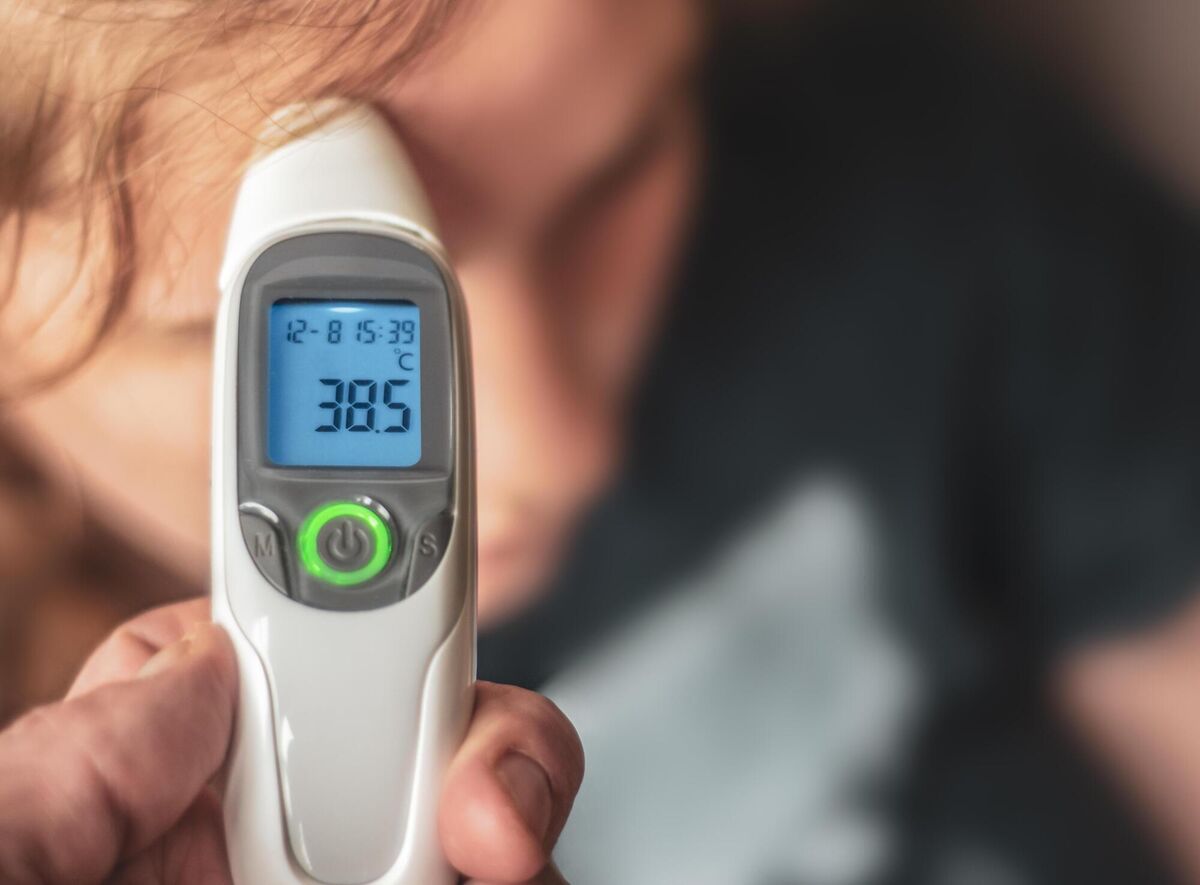
- Your baby is aged under three months and has a temperature of 38°C, or is older than three months and has a temperature of 39°C or higher;
- Your baby feels hotter than usual when you touch their back or chest, or feels sweaty;
- Your child is very tired or irritable.
- Your child is having difficulty breathing. You may notice grunting noises or their tummy sucking under their ribs;
- There are pauses when your child breathes;
- Your child has a rash that does not fade when you press a glass against it;
- Your child’s skin, tongue, or lips are blue;
- Your child’s skin is pale and feels cold and clammy;
- If your child has a seizure (convulsion or fit);
- Your child is floppy and will not wake up or stay awake.
Key to curbing the spread of infection is good hand and respiratory hygiene.
By teaching your child how to wash their hands properly with soap and warm water for 20 seconds, using a tissue to catch coughs and sneezes, and keeping away from others (and out of childcare or school) when they feel unwell, they will be able to reduce the risk of picking up or spreading infections.
- Dr Catherine Conlon is a public health doctor in Cork and former director of human health and nutrition, Safefood.

CONNECT WITH US TODAY



Be the first to know the latest news and updates