Food poverty is fixable — with some creative thinking
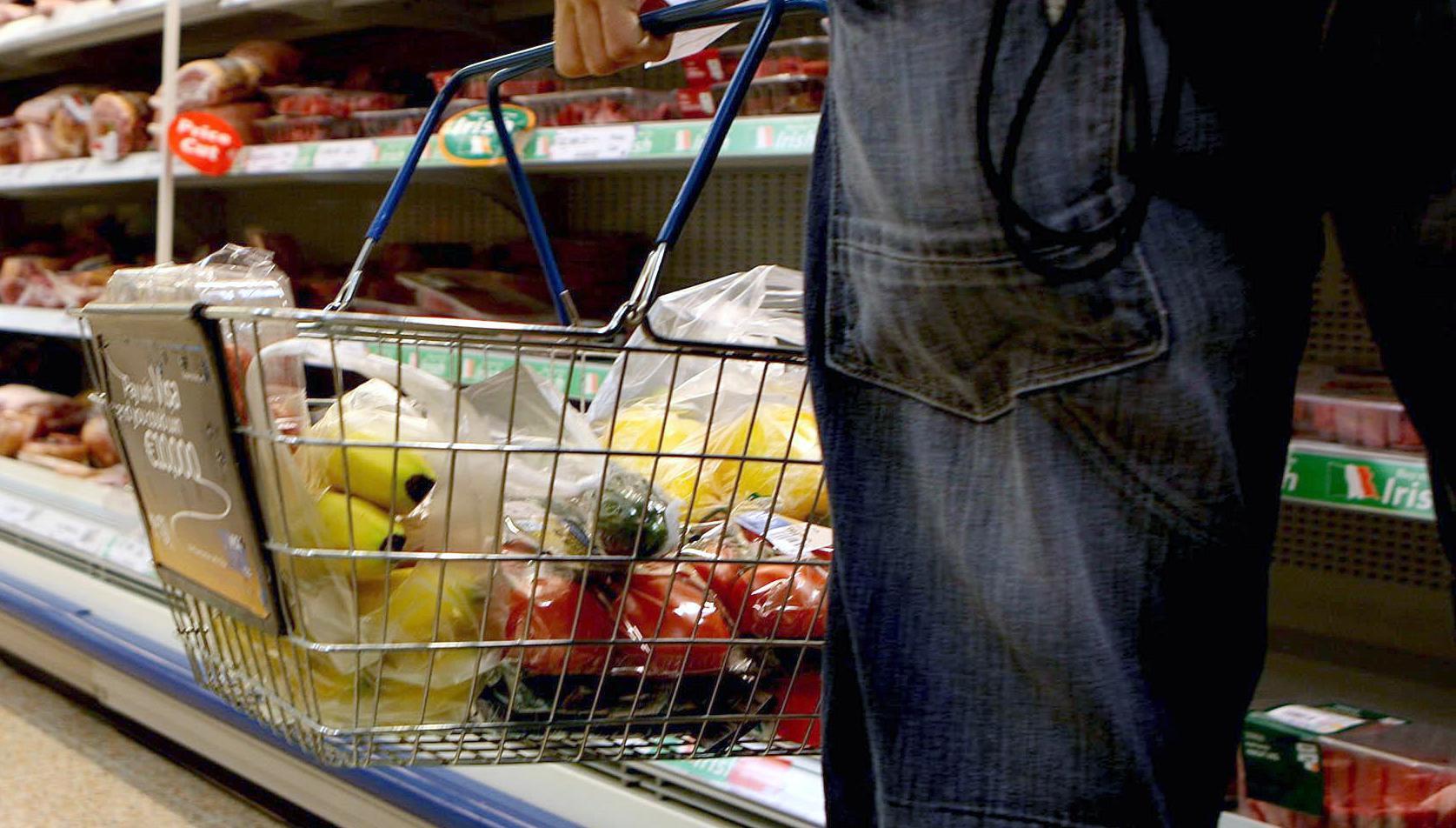
Responsibility for ensuring everyone can eat in a way that is not damaging to their health does not just lie with retailers. Governments have a critical role to play in tackling both the cost of living crisis and ensuring everyone can access and afford the food they need.
The cost of living crisis is likely to be negatively impacting on diets and widening health inequalities — but there are solutions.
The outlook of the Irish economy has improved but high prices continue to pose a cost of living challenge for households, the Economic and Social Research Institute (ESRI) said in its latest report. Inflation is expected to moderate ‘considerably’ in the coming months, averaging 4.5% this year and 3.5% next year, a downgrade from the previous predictions of 7.1% for 2023.

Food costs remain high, according to figures from the Central Statistic’s Office Consumer Price Index, released in January. Compared to prices in January 2022, the cost of food is up 12.9%, with steeper increases in the price of bread (16.7%), poultry (19.5%), cheese (16.2%) and eggs (22.5%).
The cost of food is putting additional pressure on low-income families to be able to afford healthy food for their families. Safefood research conducted in 2020 before the cost of living crisis showed that low-income households need to spend up to a third (35%) of their income to buy the minimum essentials for a healthy food basket. The cost of food for a teenager was almost double that for a pre-school child. While the recent cost of living package extended the Hot School Meals programme benefitting 64,500 children in DEIS schools across Ireland, no measures were introduced to ease the cost of a healthy diet.
Recent figures from the UK Food Foundation found that food insecurity levels in households with children remain unacceptably high with almost a quarter (24.4%) reporting food insecurity in January 2023. The Foundation suggests that the ongoing cost of living crisis and high food prices are highly likely to be negatively impacting on UK diets with the risk of severe long term consequences — particularly for low-income families who bear the brunt of price rises. Data released in early March shows that food-insecure households are more likely to be cutting down on buying healthy foods such as fruit (57%), vegetables (42%), and fish (54%). Lower-earning households already consume less of these foods due to their lack of affordability and this is likely to further exacerbate dietary inequalities and health outcomes.
The Food Foundation survey found there is strong support from parents for retailers to make it easier for them to feed their children well, including reducing the price of healthy foods through price changes and promotions and making the healthiest options the most affordable.
Responsibility for ensuring everyone can eat in a way that is not damaging to their health does not just lie with retailers. Governments have a critical role to play in tackling both the cost of living crisis and ensuring everyone can access and afford the food they need.
In an editorial in 2021, the (BMJ) called for more stringent regulations for the food industry in the UK as it claimed industry self-regulation has failed in its attempt to make the food we eat healthier. Citing the soft drinks levy introduced in the UK in 2018, the article states that the food industry simply increased its spending on advertising to make up for any shortfall in profit.
Aside from financial levies, the editorial also suggested front-of-pack warnings for foods high in energy, salt, and sugar could be rolled out in England as they have been in some countries like Chile and Peru.
A paper in the (2018) criticised government policy in nutrition in terms of preferring to use educational policy measures directed at individuals in response to the rise in chronic disease. "Such measures aim to influence diet quality by emphasising personal responsibility and choice through dietary guidelines, food labels, menu labelling, and clinical counselling."
While this approach may be good for business it makes no sense in terms of public health.
Last year, the UK introduced a pilot scheme to allow fruit and vegetables to be given out on prescription to low-income families, aimed at tackling the growth of poverty-related hunger and health inequalities.
People with chronic disease and mental health conditions living in low income areas are receiving weekly vouchers worth up to £8 a week with an additional £2 for each child in the household. Participants are identified by social prescribing staff in two projects in Tower Hamlets and Lambeth. The project is a response to soaring food costs stopping people from buying healthy food and encouraging conditions such as obesity, heart disease and diabetes.
Co-funded by the Alexandra Rose Charity and local public health officials, the hope is that the project will act as a template for a nationwide scheme to address the UK’s diet-related public health crisis as well as helping to tackle wider issues of food insecurity.
Jonathan Pauling, the chief executive of the charity, said if the scheme was effective the hope was fruit and veg vouchers would be made routinely available on the NHS.
‘We hope it will make a healthy diet easier to access for people who are struggling,’ Mr Pauling concluded.
GP, Prof Sam Everington, who is chair of the Tower Hamlets NHS clinical commissioning group, said the health services should embrace such schemes.
‘When I trained over 40 years ago, type 2 diabetes was a disease of elderly people. We are now seeing it in teenagers. Much of it is preventable with a healthy diet and good regular exercise. Fruit and veg should be part of every prescription,’ he said.
GP lead at the Beacon Project, Dr Chi-Chi Ekhator, agrees, saying the scheme would help patients making ‘heat or eat’ choices. The scheme "would make a huge difference".

A really positive and practical initiative in recent years is the Cork Food Policy Council (CFPC). The CFPC is a partnership between representatives of the community, food retail, farming, fishing, restaurant/catering, education, environmental and health sectors, and local authorities and Cork Healthy Cities. They focus on improving the availability of affordable healthy food by supporting a wide range of community growing and food-related activities. The council encourage a greater number and diversity of food enterprises and jobs, sourcing healthy and sustainable food from local producers and suppliers, keeping value within the local economy. The initiative offers practical supports to resilient, food friendly communities and aids city and region-wide food initiatives that focus on bringing communities together around good food.
This partnership is a really strong example of what can be done with the proper supports and funding. It is bringing communities together and supporting local producers, suppliers and retailers to make healthy affordable food available across communities.
Fruit and vegetable vouchers on prescription and local food initiatives are exactly the kind of pragmatic response that is needed during an ongoing cost of living crisis to bring communities together to support each other in making healthy food accessible and affordable as well as having long-term impacts on health.
Government supports are needed to support local growers and producers to make healthy food affordable and accessible in towns and cities across Ireland.