What in the world will happen in 2023?
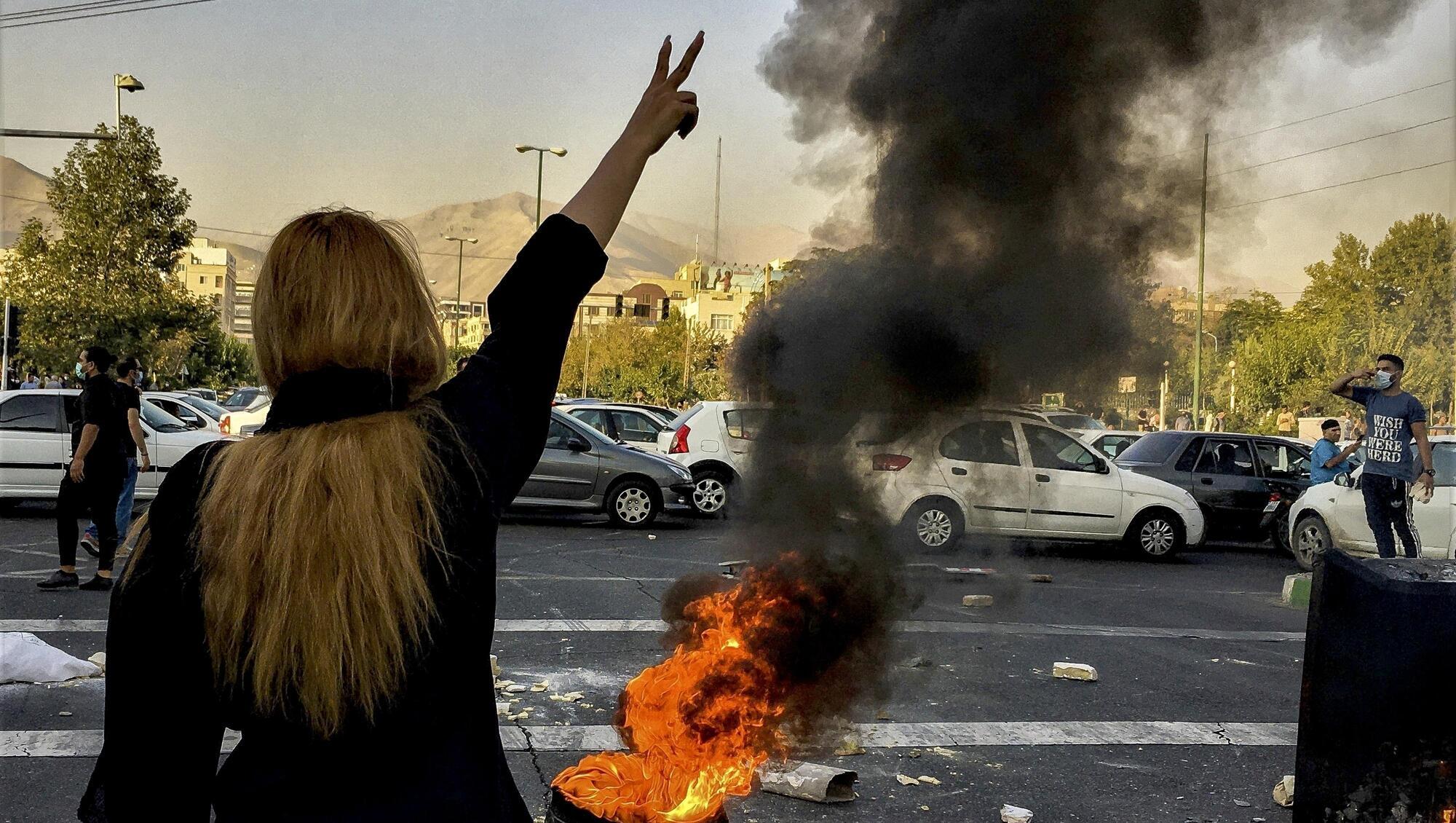
Iranians protest the death of 22-year-old Mahsa Amini. Protests against the regime are likely to gain traction against the backdrop of worsening economic deterioration. Picture: Middle East Images/AP
The American baseball player Lawrence 'Yogi' Berra is widely quoted as observing: “It’s tough to make predictions, especially about the future.”
Whether or not he actually said it, the point is valid. Nevertheless, here are 10 predictions for the world for the year just getting under way.
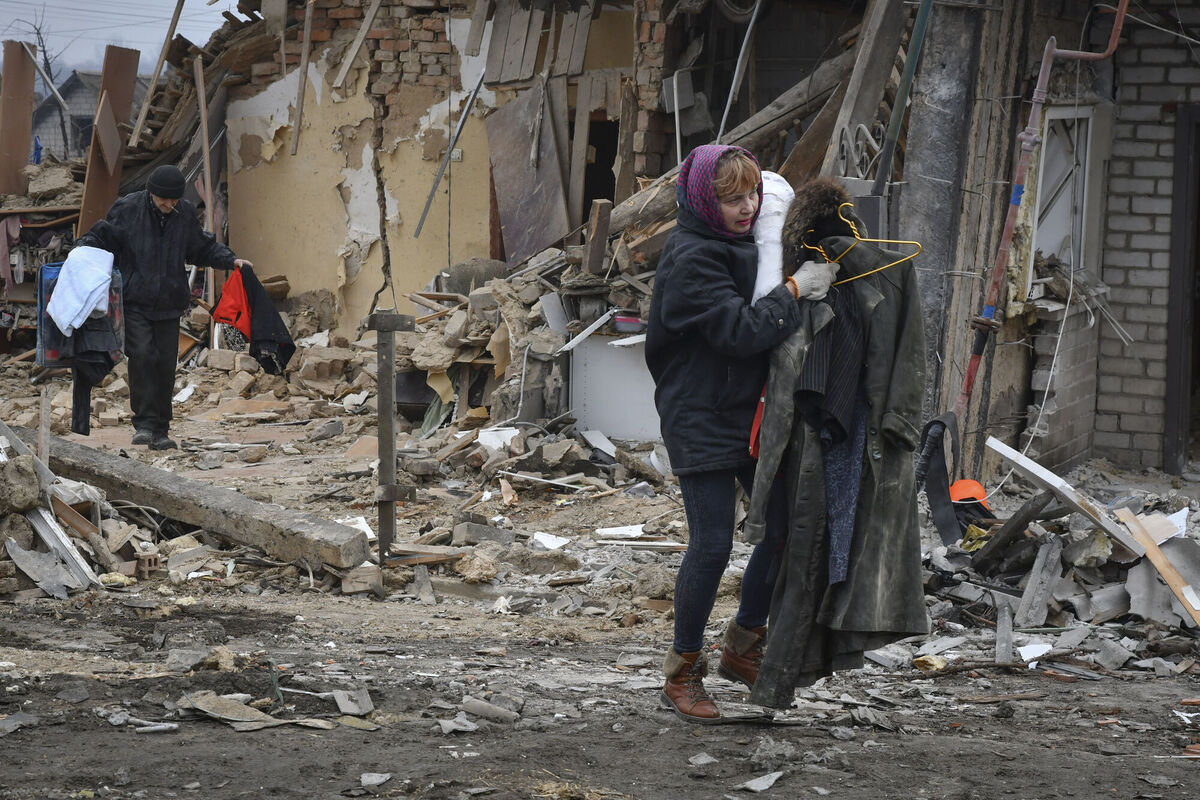
First, the war in Ukraine, the dominant issue of 2022, will continue, albeit at a less intense level. Neither Russia nor Ukraine will be able to achieve a complete military victory, if victory is defined as routing the other side and dictating the terms of a post-war territorial or political settlement.
Nor will the diplomats achieve victory, if victory is defined as reaching an arrangement both governments are willing to sign and abide by. Peace requires leaders who are willing and able to compromise, two elements that are conspicuously absent (if for very different reasons) on both sides.
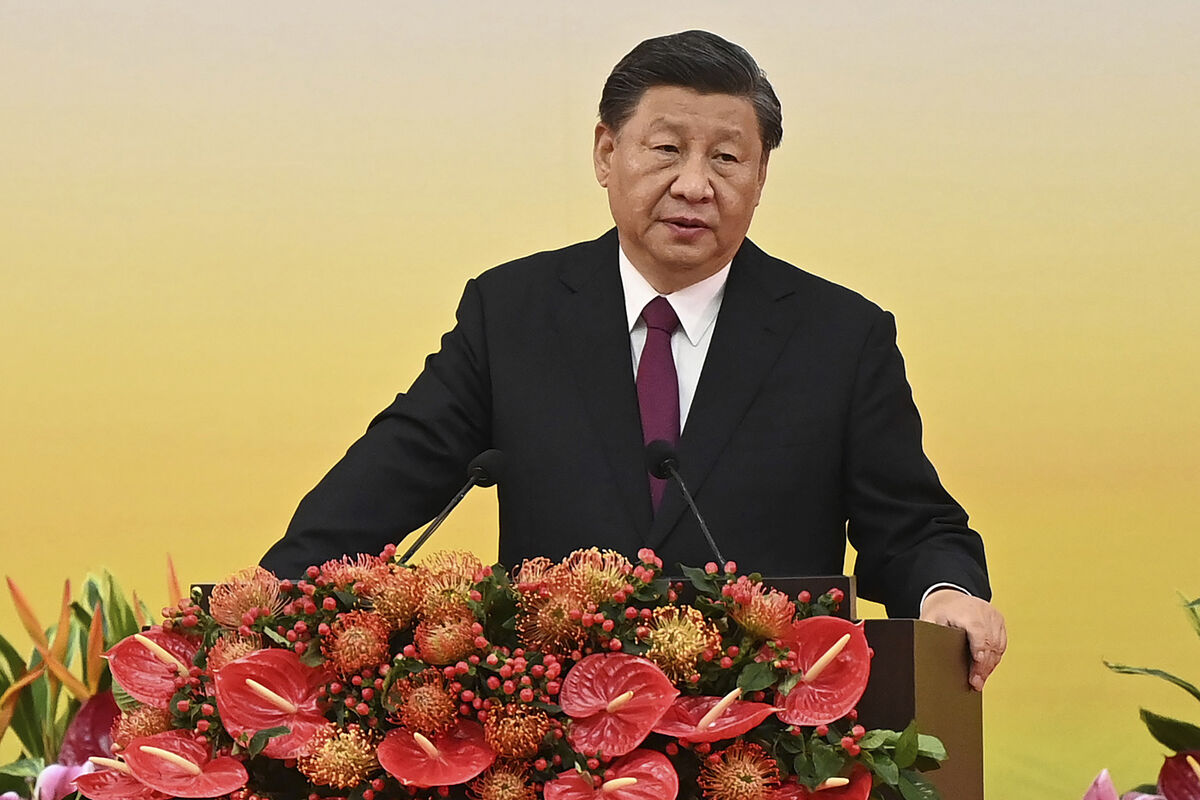
Second, while many policymakers are focused on the potential for a war over Taiwan, this seems highly unlikely in 2023.
Chinese leader Xi Jinping has his hands full contending with a surge of Covid-19 cases that is overwhelming his country’s healthcare system, raising questions about the competence of the ruling Communist Party, and further weakening what was already a slowing economy.
China has by no means abandoned its goal of taking control of Taiwan, by force if necessary; but while it will continue to raise the pressure on Taiwan, it has most likely put off highly aggressive action for at least a few years.
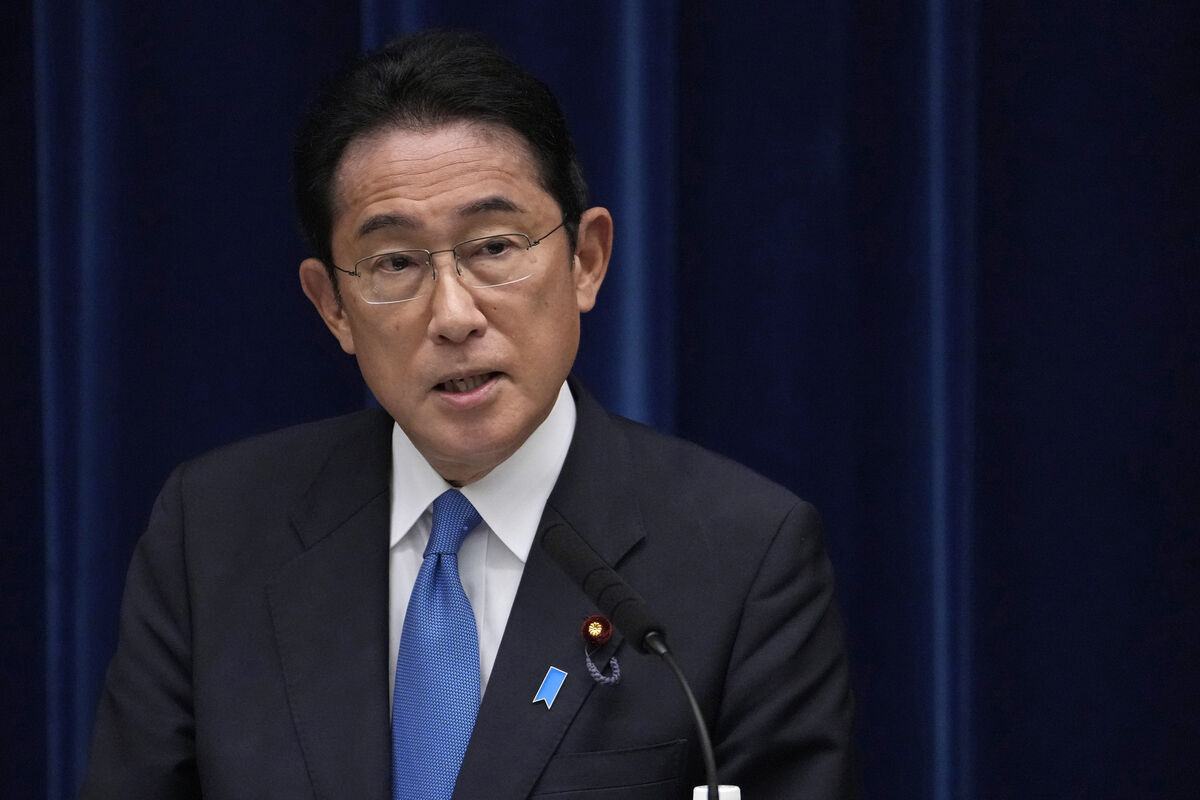
Third, the sleeper story of the year will be Japan’s emergence as a major geopolitical actor. Economic growth in the world’s third-largest economy has been revised upward to 1.5%, and defence spending is now on track to double, reaching 2% of GDP.
Japan, with one of the most capable militaries in the region, will also more closely align itself with the US to deter or, if necessary, defend against Chinese aggression against Taiwan. Even more than is the case with Germany, 2023 will be the year Japan enters the post-post- Second World War era.
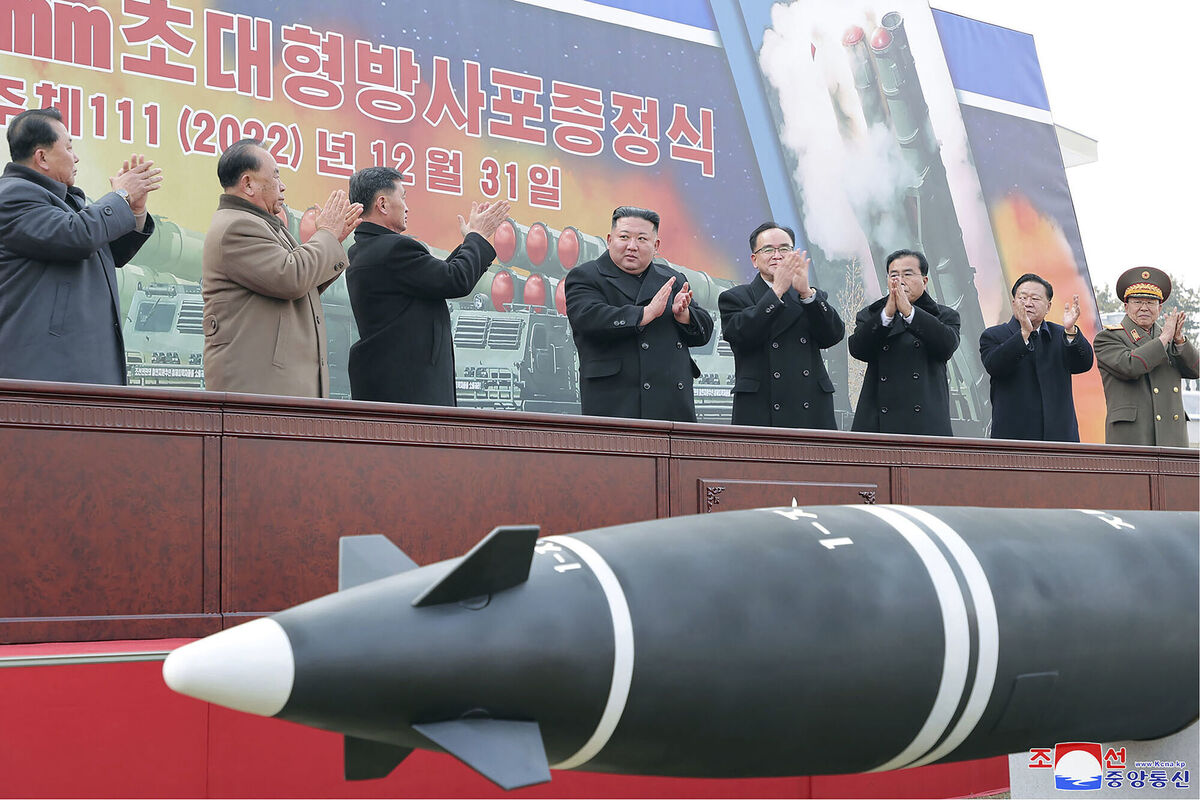
Fourth, North Korea will almost certainly carry out what will be its seventh nuclear test, in addition to frequent missile tests. Neither South Korea nor the US will be able to prevent such actions, while China, the only country in a position to do so, will hold off using its considerable leverage lest it weaken its neighbour and set in motion dynamics that could cause instability on its periphery.
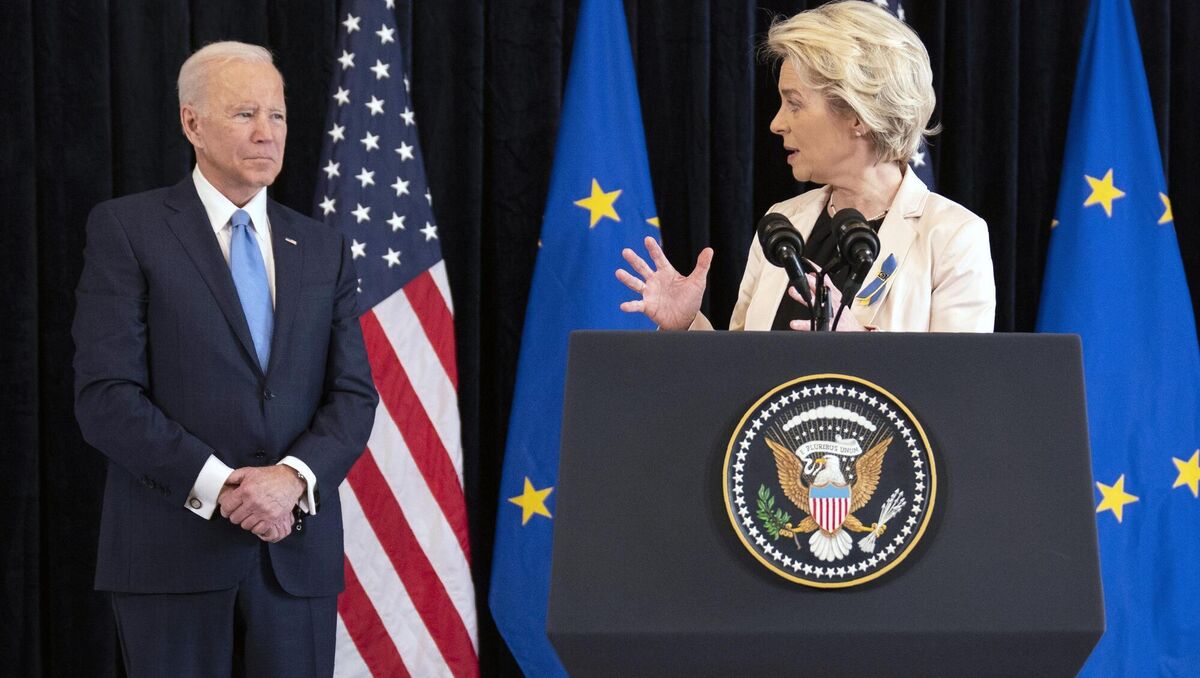
Fifth, transatlantic relations, stronger for now because of a shared willingness to stand up to Russia’s invasion and help Ukraine, will suffer from increased friction, owing to Europeans’ unhappiness with US economic protectionism and Americans’ unhappiness with the continent’s continued economic dependence on China.
Ties could also suffer from emerging differences over the extent of military, economic, and diplomatic support for Ukraine and levels of defence spending.
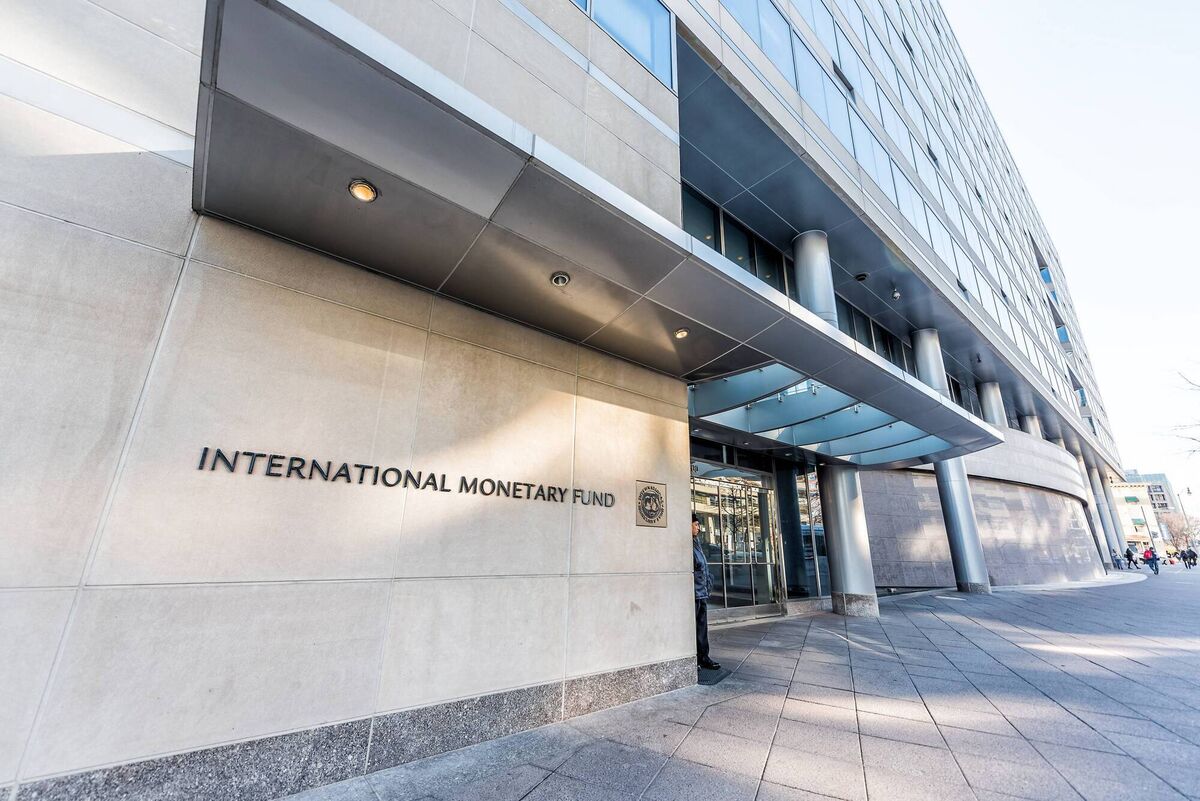
Sixth, the global economy is likely to expand more slowly than most observers currently forecast. The International Monetary Fund is predicting 2.7% overall growth, but the reality could well be lower, owing to the knock-on effects of China’s mismanagement of Covid-19 and the trajectory of the US Federal Reserve, which seems determined to continue to raise interest rates in an effort to bring down inflation.
Political instability in parts of Africa and Latin America, extreme weather events, and supply-chain disruptions will also prove to be a drag on global economic performance.
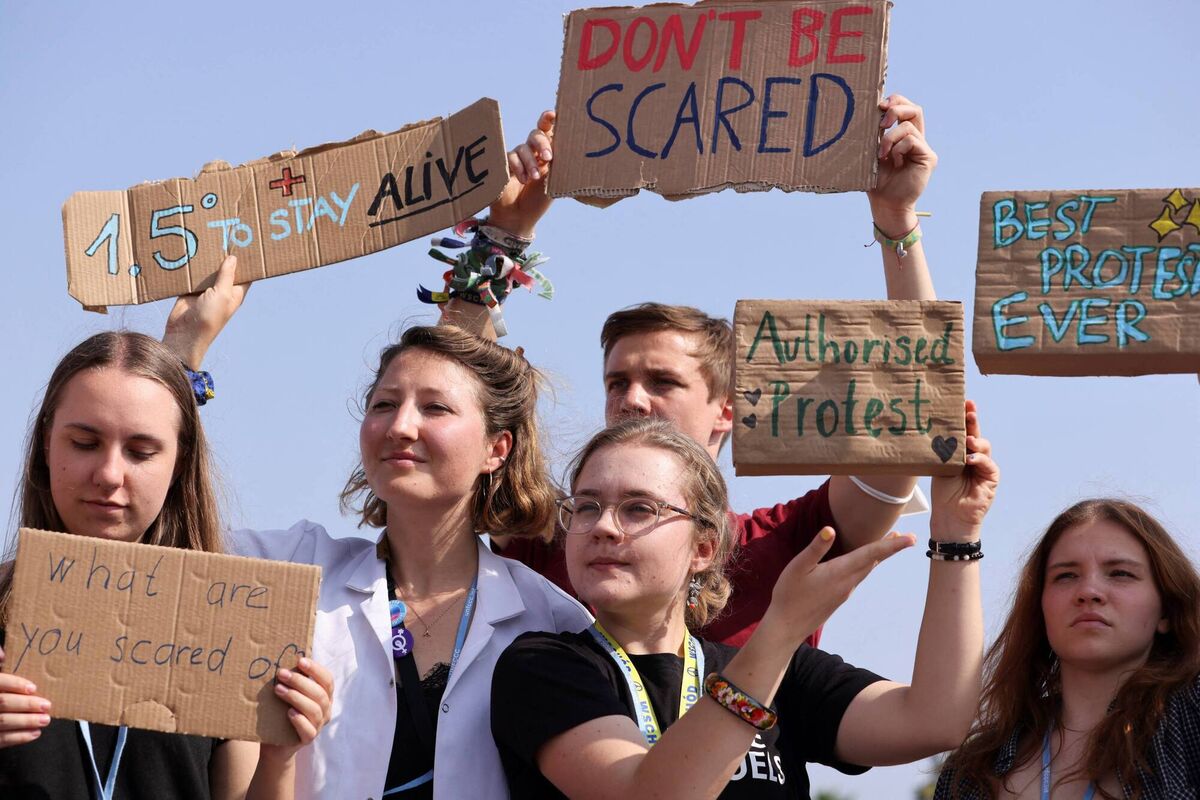
Seventh, the annual United Nations Climate Change Conference (Cop28, set to meet in Dubai) will continue to disappoint. With near-term economic concerns trumping medium- and long-term climate considerations, the effects of climate change are likely to get worse before they get … even worse.
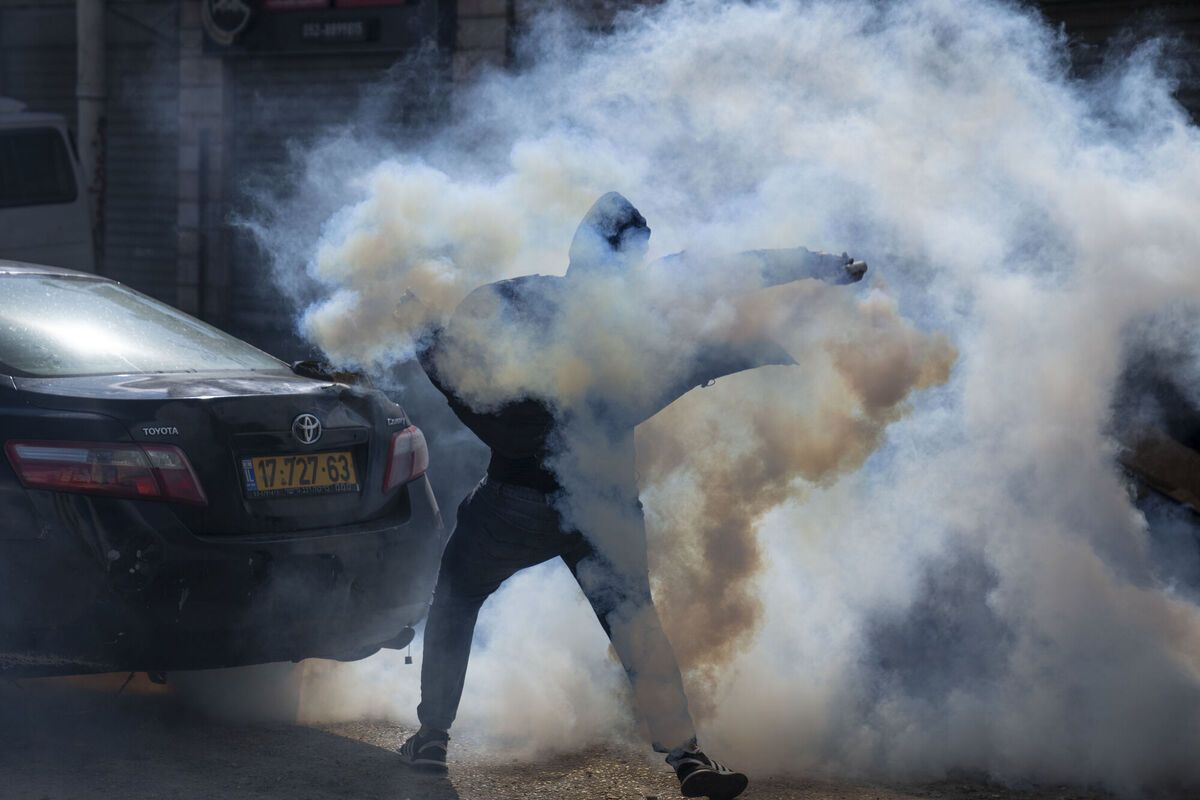
Eighth, Israel-Palestinian relations will become more violent as Israeli settlement activity expands and diplomacy shows no prospect of bringing about a Palestinian state on terms both Israelis and Palestinians could accept. Instead, a future that could be described as a “one-state non-solution” will come closer to becoming a reality.
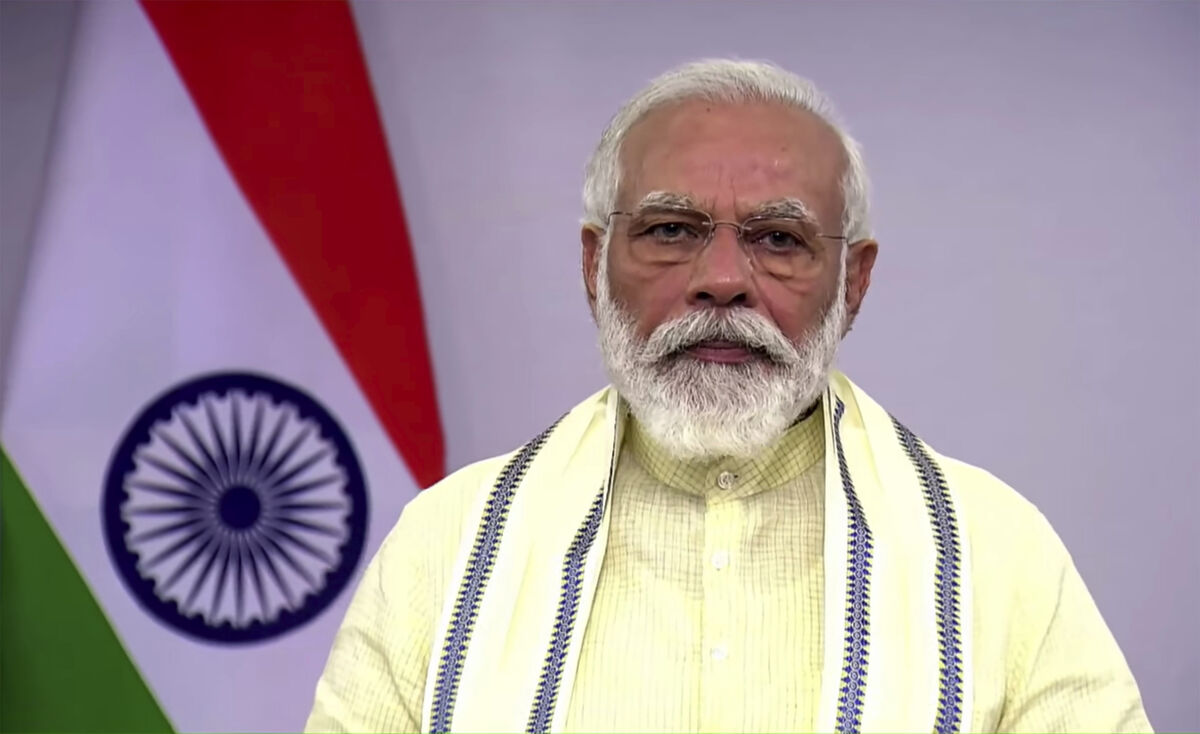
Ninth, India will continue to frustrate those who predict great things for it. India will continue to buy arms and oil from Russia and cling to a posture of non-alignment even as it seeks greater help from the West against China. And at home, the danger is that India will continue to become progressively more illiberal and less secular.

Lastly, Iran will likely be the dominant issue of 2023. The protests against the regime will gain traction against the backdrop of worsening economic deterioration and emerging divisions within the leadership over whether to compromise with the protesters or arrest and kill them.
The 2015 nuclear deal will not be revived, given Iran’s military assistance to Russia and the US desire to avoid throwing an economic lifeline to the embattled regime.
Iran’s leaders may opt to continue to advance their nuclear-weapons program in the hopes of either achieving a breakthrough or triggering an Israeli strike, a development that would allow them to call for national unity in the face of external attack.
Another possibility is that the cohesion of the security forces will give way to something resembling a civil conflict. For the first time since the fall of the Shah in 1979, the future of the Islamic Republic will be in serious doubt.
All this may not make for a happy new year, but it will ensure an interesting one.
CONNECT WITH US TODAY



Be the first to know the latest news and updates