Catherine Conlon: Returning to our roots: the case for restoring natural habitats and native woodland
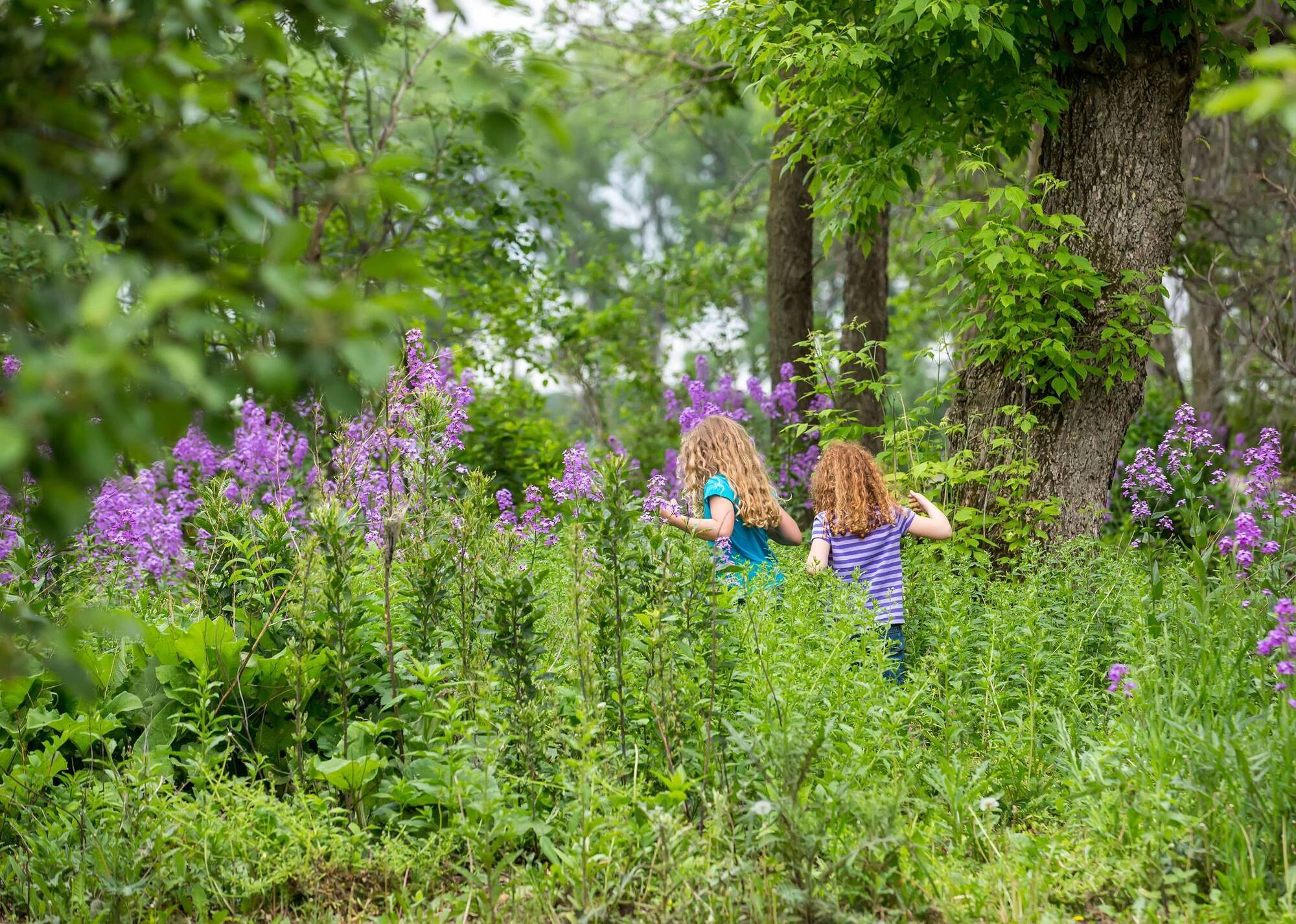
'Nature must be allowed to come back. Society needs it; our rapidly disappearing wildlife desperately needs it.'
In 2019, Ireland became the second country in the world to declare a climate and biodiversity emergency, with the European Parliament following suit six months later.
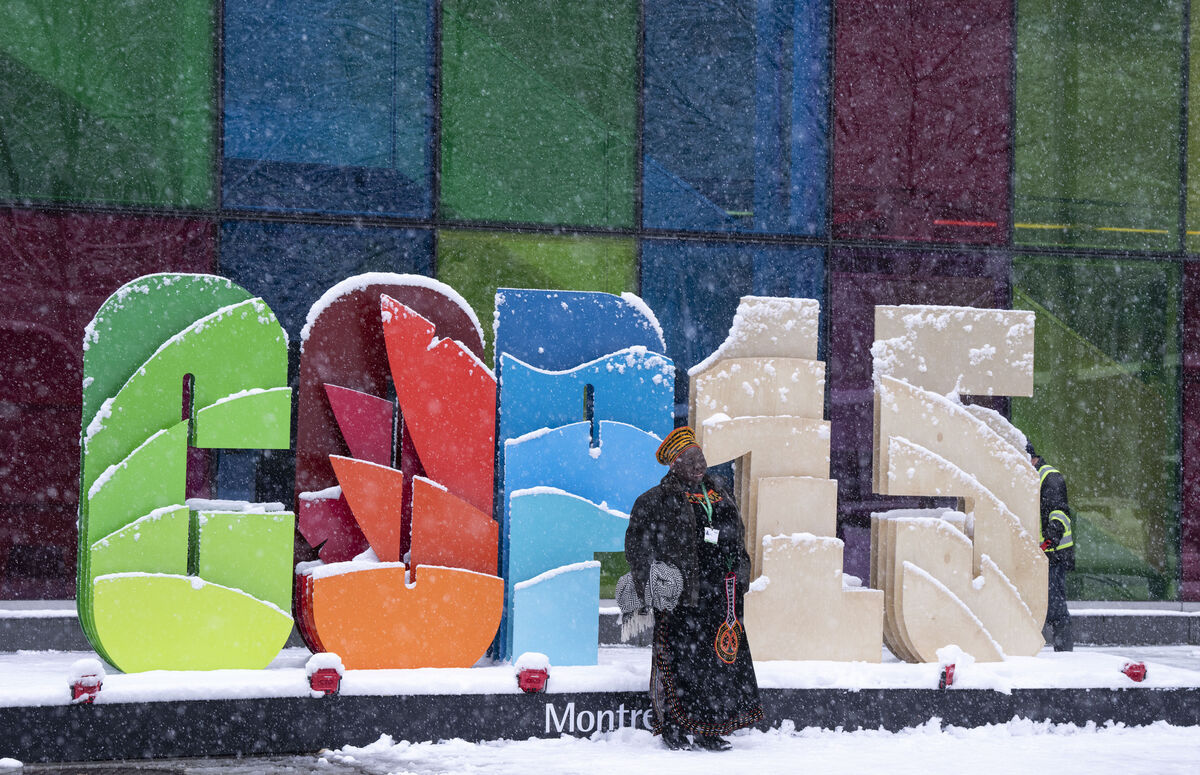
Last month Cop 15 — the 15th global biodiversity summit took place in Montreal to attempt to build a "Paris agreement for nature". The objective was to set the course of biodiversity action for the coming decades — to identify a series of targets on restoring nature, degraded landscapes, and species loss.
Progress was made in terms of agreement to protect a third of the planet for nature by 2030 as well as targets for protecting vital ecosystems such as rainforests and wetlands and the rights of indigenous people.
Now that it’s done, governments, companies and communities need to figure out how they will make these commitments a reality.
If these declarations are to be converted into practical solutions, native forests and other natural habitats must be allowed to flourish. This means there must be paradigmatic shift in the way land is used and managed in Ireland.
For this to happen, Government policy makers who consistently proclaim their concern for the preservation of natural ecosystems need to move away from policies that are actively destroying it.
Why is the management of these ecosystems so important?
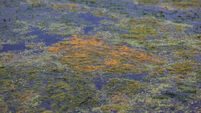
We tend to look at the mountain landscapes across Ireland as place of unsullied natural wilderness. In fact, if we look closely, what we see is barren wasteland, compared to the species-rich native forests they once were. What remains of the native forests are almost all damaged by over-grazing and the invasion of non-native plant species.
In , Eoghan Daltun suggests the ever decreasing availability of natural habitats such as native forests is a key factor in the collapse of Irish wildlife populations.
These include climate stabilisation, clean air and water, revenues from tourism, recreation opportunities and the increasingly widely recognised health benefits that come from access to wild nature.
Another result of loss of natural habitats is flooding. The main effect of the build up of heat in the atmosphere due to rising levels of greenhouse gases, is on the hydrological cycle.
This translates into more frequent extreme rain events in many parts of the world, including Ireland. Artificial land use leads to water rushing off land that would previously have absorbed colossal amounts of water.
Engineering solutions such as high walls and dredging cannot resolve the issue. Long-term solutions need to be nature-based ones that cost a fraction of the amount of artificially engineered solutions.
"Nature must be allowed to come back. Society needs it; our rapidly disappearing wildlife desperately needs it," says Mr Daltun. The question is how can that be achieved in ways that work for the custodians of the land — that is farmers and rural communities.
Dalton compares the disappearance of the world’s great tropical rainforests to the disappearance of native forests in Ireland. He suggests the only difference is that on this island it has taken place over a much longer timeframe, so most people take it for granted that the way things are now is actually the natural state of the land.
"An incredibly rich and complex old-growth forest system, complete with every trophic layer (layers of the food pyramid), can be reduced down to just grass and sheep, and the result is still almost unanimously considered ‘natural’.
Mr Daltun lays much of the blame on the disappearance of natural habitats at the feet of the EU Common Agricultural Policy (Cap). He says the payment system leaves farmers with little choice but to destroy wildlife habitats.
"Land with anything remotely resembling wildlife habitat, such as scrub, has until now been excluded from all farm payments as one of the principal conditions for eligibility is that land must be in good agricultural and environmental condition [GAEC]"
The other key problem is the regular setting of fires to remove scrub, gorse, and other unwanted vegetation from hillsides. Recent spring droughts leading to dead grass, gorse and bracken become a powder key of flammable material.
These fires lead to small animals including bird chicks being roasted alive, sapling trees and floral diversity decimated. The reason for this is the same — to make the land compliant with the GAEC condition laid down for farm payments.
Farmers cannot be blamed for this. Most farmers are ordinary people with worries, mortgages, and bills, working very hard to make ends meet. The problem is the policies they work under.
In 2021, the Government proposed that up to a third (30%) of a farm holding would be able to consist of scrub and other natural habitats and still be eligible for payments in the next Cap phase (2023-2027).
While this is a welcome step in the right direction, Daltun suggests we need to go further — it must be extended to entire farms if that is what the farmer wishes.
What is needed is the complete removal of financial penalties for any farmers looking to move towards the restoration of natural habitats instead of (land-sparing) or alongside (land-sharing) food production.
Farmers should have the option of continuing to receive (equivalent) farm subsidies for not farming, but for letting wild nature come back instead, if that is what they choose.
Currently Mr Daltun suggests the Common Agricultural Policy is not delivering for either farmers or nature, with a third of subsidies going to 1% of farms and 80% of the money going to 20% of farms — in both cases generally the wealthiest and least nature-friendly operators.
Attempts at meaningful reform are blocked by "well-resourced lobbyists for the most industrial sides of farming. They have privileged access to the politicians deciding how the hundreds of billions of euro in farm subsidies are spent and ensure that little or nothing changes regarding where the money goes."
Other measures the author suggests that would make a huge difference to biodiversity would be for Bord na Móna to rewet all its bogs and for Coillte to abandon planting monocultures and move over entirely to continuous cover, naturally regenerated wild native forests. He says timber production doesn’t need to be based on a perpetual environmental catastrophe — it could be the exact opposite.
Agriculture must become more nature-friendly. Also needed is a network of areas in which no food production or any extractive activity takes place — where natural processes can dominate.
The best people to lead on this is farmers and they need financial support from policy makers as well as the recognition from society that provision of wild natural habitats is as important as food production.
- Dr Catherine Conlon is a public health doctor in Cork and former director of human health and nutrition at Safefood
CLIMATE & SUSTAINABILITY HUB
CONNECT WITH US TODAY



Be the first to know the latest news and updates