Trump is finally being held to account for Capitol Hill riots
The work of the January 6 committee proves that presidents don’t exist beyond the reach of the law — even if they are powerful and wealthy, writes Timothy L O’Brien
Trump is finally being held to account for Capitol Hill riots

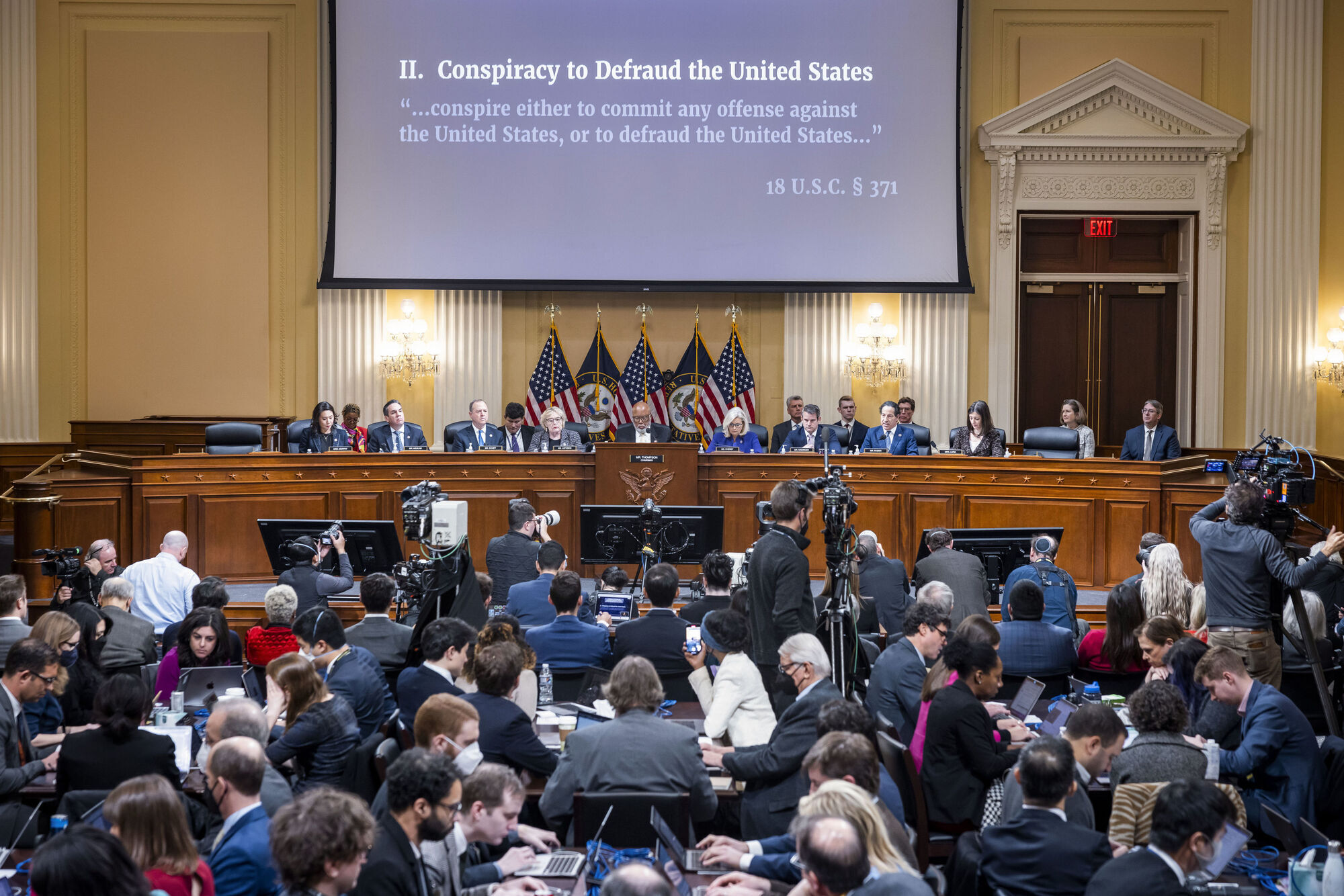
An image with information about the criminal referral of former president Donald Trump to the Department of Justice is displayed as the House select committee investigating the January 6 attack on the US Capitol holds its final meeting on Monday. Picture: Jim Lo Scalzo/Pool Photo via AP
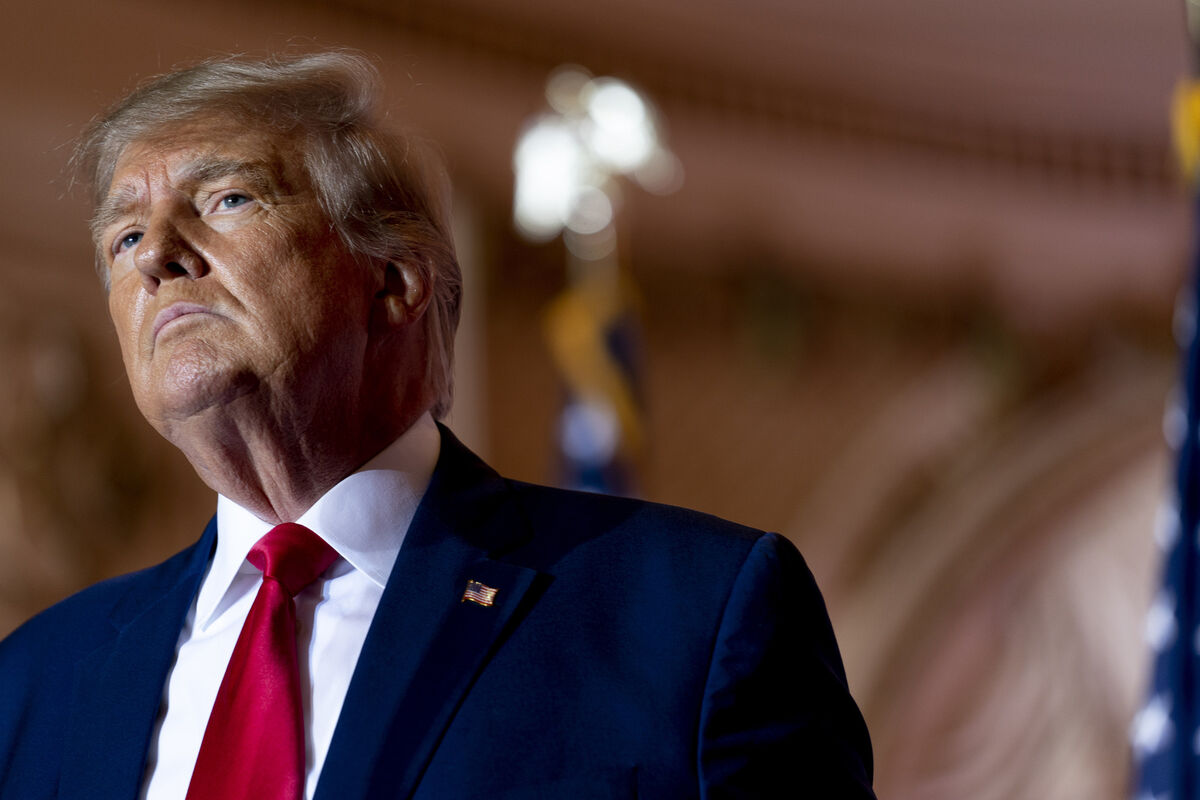
Representative Liz Cheney, a Wyoming Republican who may have torched her own political career by upholding the rule of law and the Constitution, didn’t hesitate during a January 6 committee hearing last autumn to identify the primary force behind the 2021 insurrection at the US Capitol.

“The central cause of January 6 was one man: Donald Trump,” she pointed out. “Our nation cannot only punish the foot soldiers who stormed our Capitol. Those who planned to overturn our election, and brought us to the point of violence, must also be accountable.”

The 'central cause' the January 6 riots was one man: Donald Trump.

It should come as no surprise, then, that Cheney and other members of her bipartisan congressional panel opted to hold the former president accountable when they recommended in their final public hearing on Monday that the Justice Department prosecute him for a range of crimes — including insurrection, obstruction of a federal proceeding and conspiracy to defraud the government. 
A 154-page summary of the committee’s findings was unsparing, and it echoed what Cheney said months ago.

“The evidence has led to an overriding and straight-forward conclusion: the central cause of January 6 was one man, former President Donald Trump, who many others followed,” the report said. 

None of the events of January 6 would have happened without him.

This is, of course, entirely true. And the Justice Department would do well to bring the full weight of the law to bear on Trump and his merry band of co-conspirators and thugs. 

All of the hand-wringing about the political implications of the committee’s decision — anxiety that stems as much from a clash of vastly different values as it does from concerns about fair play — can now make way for the wheels of justice.

As the indispensable and instructive January 6 hearings made plain over the last year, the siege at the Capitol was hardly an isolated incident. 

It was just one facet of a premeditated and sweeping attack on the pillars of democracy and was months in the making.

“Even key individuals who worked closely with President Trump to try to overturn the 2020 election on January 6 ultimately admitted that they lacked actual evidence sufficient to change the election result, and they admitted that what they were attempting was unlawful,” the committee noted in its summary.

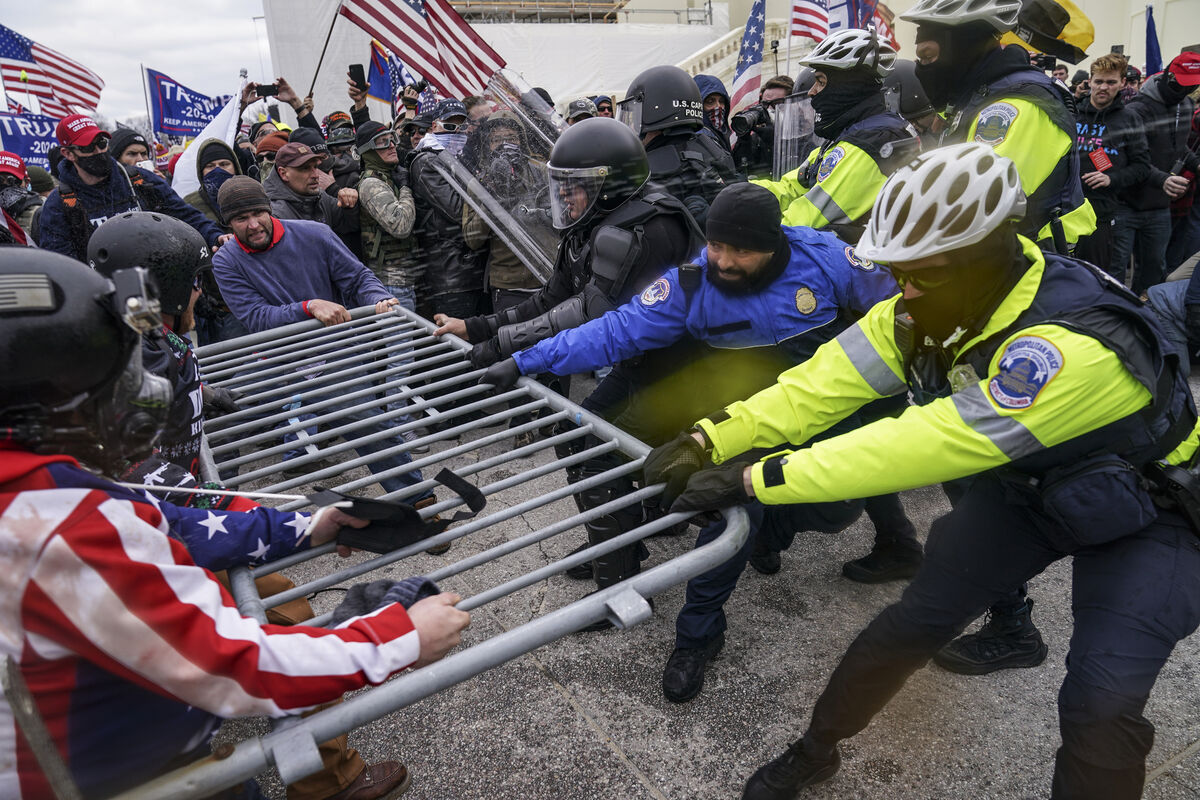
Trump supporters try to break through a police barrier during the insurrection. Picture: AP Photo/John Minchillo

In service of the January 6 putsch, Trump routinely insisted that the 2020 election he lost had been rigged, even though his own advisers routinely told him otherwise. 
He pressured his vice president, Mike Pence, to sabotage the electoral count. 

His lawyers filed dozens of groundless, unsuccessful legal challenges to the election results that undermined public trust in the outcome. His political operatives tried submitting false elector slates as part of their attempted coup.

Trump was warned repeatedly that violence would take place at the Capitol, and he ignored the alarms. He stoked the violence in a televised speech, and he was slow to do anything about the calamity once it erupted. Why would he? 

Weeks before January 6, he tweeted an invitation to his acolytes that the committee and Justice Department investigators have said ignited a groundswell of extremist activity focused on the electoral count at the Capitol: “Be there, will be wild!”

There are 17 findings of wrongdoing in the committee’s summary; 15 of them focus on Trump’s machinations. No Trump, no January 6 insurrection.

Trump’s unwillingness to cede power after losing the 2020 election has set a number of personal and public reckonings in motion that are equally necessary and uncertain.

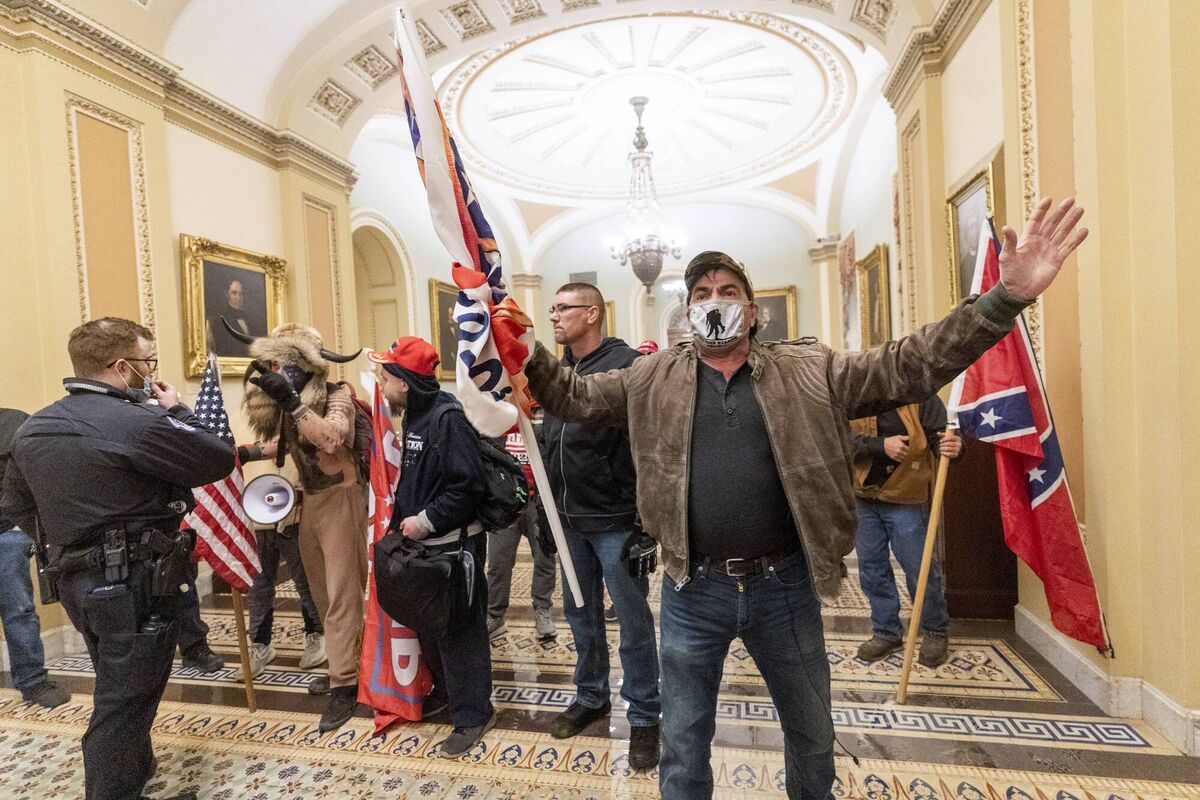
Supporters of Donald Trump are confronted by US Capitol Police officers outside the Senate Chamber inside the Capitol, Wednesday, January 6, 2021 in Washington. Picture: AP Photo/Manuel Balce Ceneta

Trump, after all, survived two impeachments and a special counsel’s investigation.
Trump also regarded the presidency as a get-out-of-jail-free card, and he interpreted the powers that Article II of the Constitution granted his office as absolute and monarchical: “I have an Article II, where I have to the right to do whatever I want as president,” he said in 2019.

It was inevitable that Trump would bring that perspective to the Oval Office. He was born into great wealth, and his father’s resources protected him for decades from the consequences of his own financial and personal debacles. 

He became a media and TV star, and celebrity insulated him from accountability as well. Then he landed in the White House and quickly found ways for the presidency to provide cover, too — for actions with more far-reaching and damaging repercussions than any earlier predations.

Now Trump is mired in civil and criminal fraud investigations in Georgia and New York and a federal espionage probe, among other legal actions. 

His company, the Trump Organization, was recently convicted of tax fraud. The Justice Department has also charged about 900 people with crimes linked to the January 6 insurrection. 

Attorney General Merrick Garland recently appointed a special counsel to examine both the siege and Trump’s alleged mishandling of classified documents.

Sure, Trump has climbed out of quicksand before, but he’s never had such a daunting pile of existential legal threats on his doorstep, either. 

And the committee has, quite appropriately, made him the centrepiece of any legal examination and repercussions related to the insurrection. 

Its work has made it impossible for the Justice Department, voters and Trump’s party to overlook him.

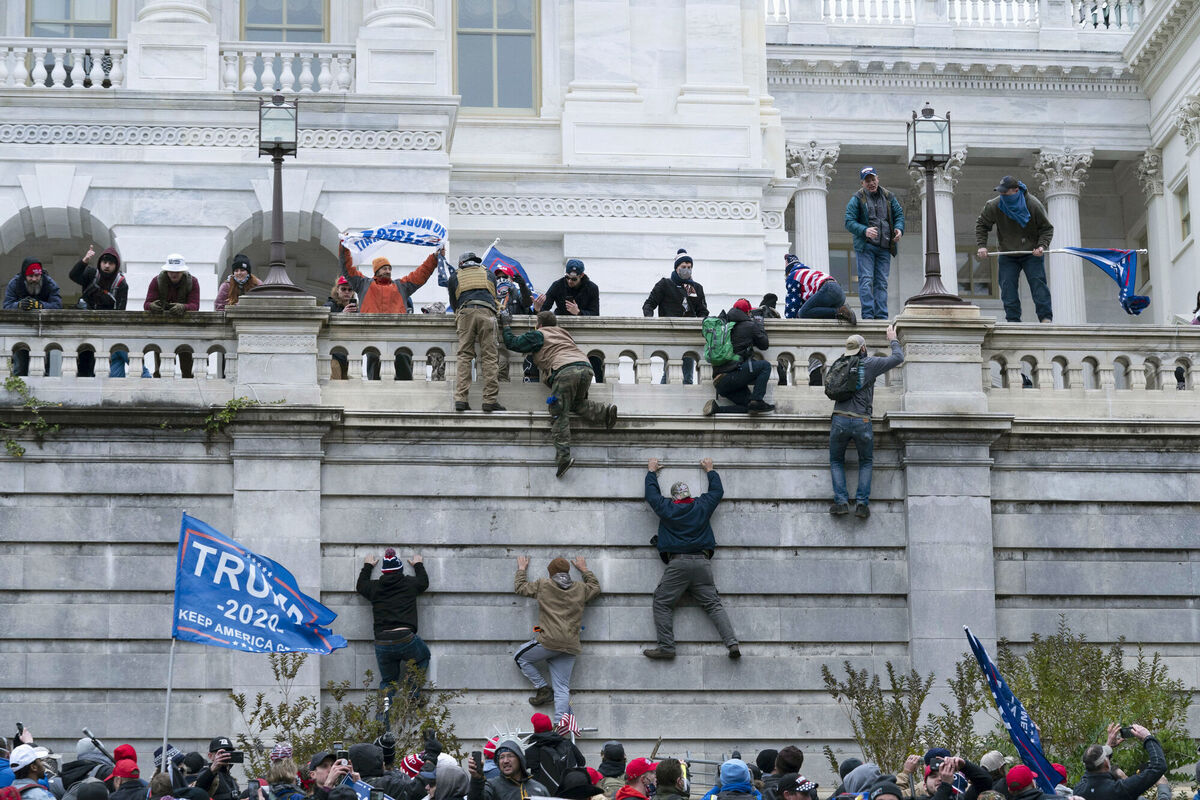
Trump supporters climb the west wall of the the US Capitol. Picture: AP Photo/Jose Luis Magana

The public portion of this reckoning is also straightforward: Presidents are not allowed to engineer coups, and they don’t exist beyond the reach of the law — even if they are wealthy, powerful and much beloved by their political supporters.

The Supreme Court affirmed that Trump’s tax returns are likely to see the light of day for that very reason, but financial transparency is just table stakes in all of this. 

How presidents wield the powers of their office, and the degree to which they honor democracy, are more pivotal matters.

In that context, the January 6 committee’s work — and the challenges its members have placed before law enforcement and voters — is as much about rooting out Trumpism as it is about calling its progenitor to account.

The country is fortunate the committee rose to this occasion. Others should take up the mantle.

More in this section

Revoiced

Newsletter

Sign up to the best reads of the week from irishexaminer.com selected just for you.

Cookie Policy Privacy Policy Brand Safety FAQ Help Contact Us Terms and Conditions

© Examiner Echo Group Limited