Catherine Conlon: Budget will help ease health inequality but only as a first step
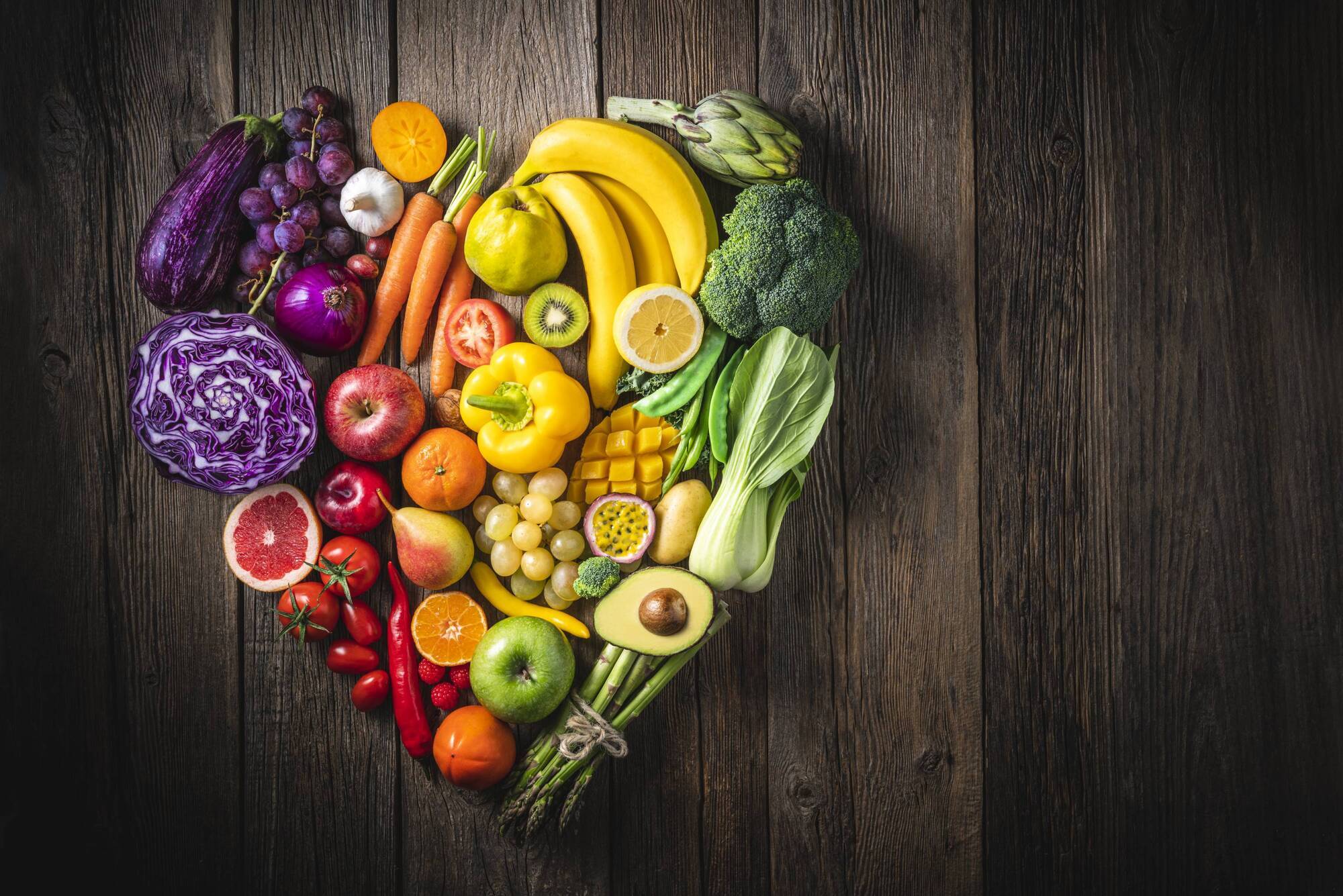
Where you live, work and play have a huge impact on the risk of developing obesity. Safefood research in 2020 showed that low-income households need to spend up to a third (35%) of their income to buy the minimum essentials for a healthy food basket.
Significant inequalities in mortality in Ireland were identified in an ESRI report, published this month.
The standardised mortality rate — mortality differences that are not explained by differences in age and sex — was twice as high in the least advantaged tranche of society compared to mortality for those in the most advantaged group in 2018, and substantially lower in non-white Irish ethnic groups.
The perinatal mortality rate — stillbirths and deaths in the first week of life — was up to 2.2 times higher for unemployed mothers as for mothers coming from the most advantaged slice of Irish society.
This means that unemployed mothers have more than twice the chance of their babies dying during pregnancy and in the first week of life than babies of mothers with a university degree.
In the 21st century, is this a reasonable outcome?
Professor Michael Marmot, director of The UCL Institute of Health Equity, sums this up succinctly. "People’s ability to take personal responsibility is shaped by their circumstances.
"A prime way of giving children a good start in life is to help their parents."
On the same day this report was published, The Commission on Taxation published , recommending the promotion of business and economic activity, with the proviso that it does not undermine health, equity, and sustainability.
The document lays out recommendations for raising revenue in the coming decades that consider the ageing population and the emerging climate crisis, along with the need to improve public services and boost investment to pay for both.
One report that itemises the hard evidence in relation to the effect of social and economic inequity on mortality at all ages, and a second report itemising fiscal and economic policy to lessen the gap between affluent and low-income groups.
In 2020, the richest 10% of Irish households held a net wealth of €788,400 compared to the poorest 10% at less than €600, with wealth concentrated in older households. But taxes on wealth account for about 6% of Government revenue — this means that the younger and less affluent pay a disproportionate amount of tax.
The Commission on Taxation report recommends this be rectified, relying on a tiny minority of multinational corporations to pay the national tax bill is not sustainable.
This budget, while not addressing wealth tax, does consider the needs of low-income groups in terms of changes in taxation and social transfers as well as key areas of childcare, education, and health — services that are critical for narrowing the health gap between low-income groups and the better off.
Budget supports that will support low-income groups include welfare and State pension increases, once-off fuel allowance payments, increases in the living alone allowance, significant tax credits for renters, a higher point of entry for paying the top rate of tax, a doubling of welfare and pension payments and an extra child benefit payment — all of which will put more money in people’s pockets this winter and into 2023.
Payments to offset electricity bills paid to every household in instalments will help to keep households warm, particularly those with poor insulation and will have a direct impact on the health of the elderly who are vulnerable to sinking temperatures.
Cutting childcare bills by 25% is long overdue although there is more work to be done for these supports to be made available to all parts of the childcare sector.
For the first time more than half the population will be eligible for a GP visit card or GMS card and inpatient fees are to be abolished. This will increase the access of many to primary healthcare and has the potential, along with grants for carers and people with disabilities, to take some pressure off accident and emergency departments and hospital beds.
Access to education is being addressed with significant cuts in third-level fees. This will have an impact in putting a college place within reach for young adults where previously the costs were prohibitive.
Increases in SUSI grants and reductions in public transport costs, free schoolbooks for primary school children, additional funding for school buses, reduction in pupil/teacher ratios, more special classes (370), over 1,000 more special needs assistants and 686 special needs teachers, will all make a difference.
Where you live, work and play have a huge impact on the risk of developing obesity. Safefood research in 2020 showed that low-income households need to spend up to a third (35%) of their income to buy the minimum essentials for a healthy food basket.
While the Commission suggestion that Government consider introducing a tax on highly processed foods is not addressed in this budget, it is a necessary long-term strategy that has been shown to reduce consumption.
The corollary, cost of living supports that make healthy food accessible and affordable, would have a huge impact on reducing the prevalence of this chronic and debilitating disease.
Low-income groups need supports to buy the type of food that has a long-term impact on health.
There is evidence that healthcare systems that provide or pay for healthy groceries and nutrition advice can help people change their eating habits.
Other measures include vouchers for fruit and vegetables, supporting food entrepreneurs, the wider availability of free school meals and free nutrition services. These type of supports in Ireland would allow healthy food to compete with the cheap, unhealthy processed food that currently floods the market and has caused an epidemic of obesity and chronic disease.
In terms of active travel supports, the French government is offering incentives of up to €4,000 for those willing to swap their cars for an e-bike. Incentives are streamlined to allow those in lower income brackets to be prioritised.
E-bikes are projected to outsell cars in Europe by the middle of the decade. Budgetary supports for the purchase of e-bikes could make a huge difference for all age and income group in both health and climate terms.
The cost-of-living crisis is making it more difficult for less affluent households to afford retrofits. This has implications for the Government’s ability to meet climate targets as well as the ability to address a "just transition".
Rory Hearne, assistant professor of social policy at Maynooth University, suggests the Government set up a semi-state building and retrofit company that could start building up the capacity of skilled workers to engage at pace with building and retrofitting of social and private housing and that a 100% retrofit grant be rolled out.
While this budget provides a considered response to improve access to health, childcare and education and assists cost of living, there are key gaps that have not been addressed.
No wealth tax, no supports to facilitate healthy diets and challenge the obesity epidemic that is so detrimental to health, and no active travel and retrofitting incentives that could accelerate the ability to fracture our dependence on fossil fuels.
The lack of climate supports puts the target of halving greenhouse gas emissions in the tiny window of less than eight years all but out of reach.

WHAT ARE...
Greenhouse Gases (GHGs)
...Read more
CLIMATE & SUSTAINABILITY HUB
CONNECT WITH US TODAY



Be the first to know the latest news and updates