Paul Hosford: After the hurdles of a turbulent two years, can this Government last the distance?
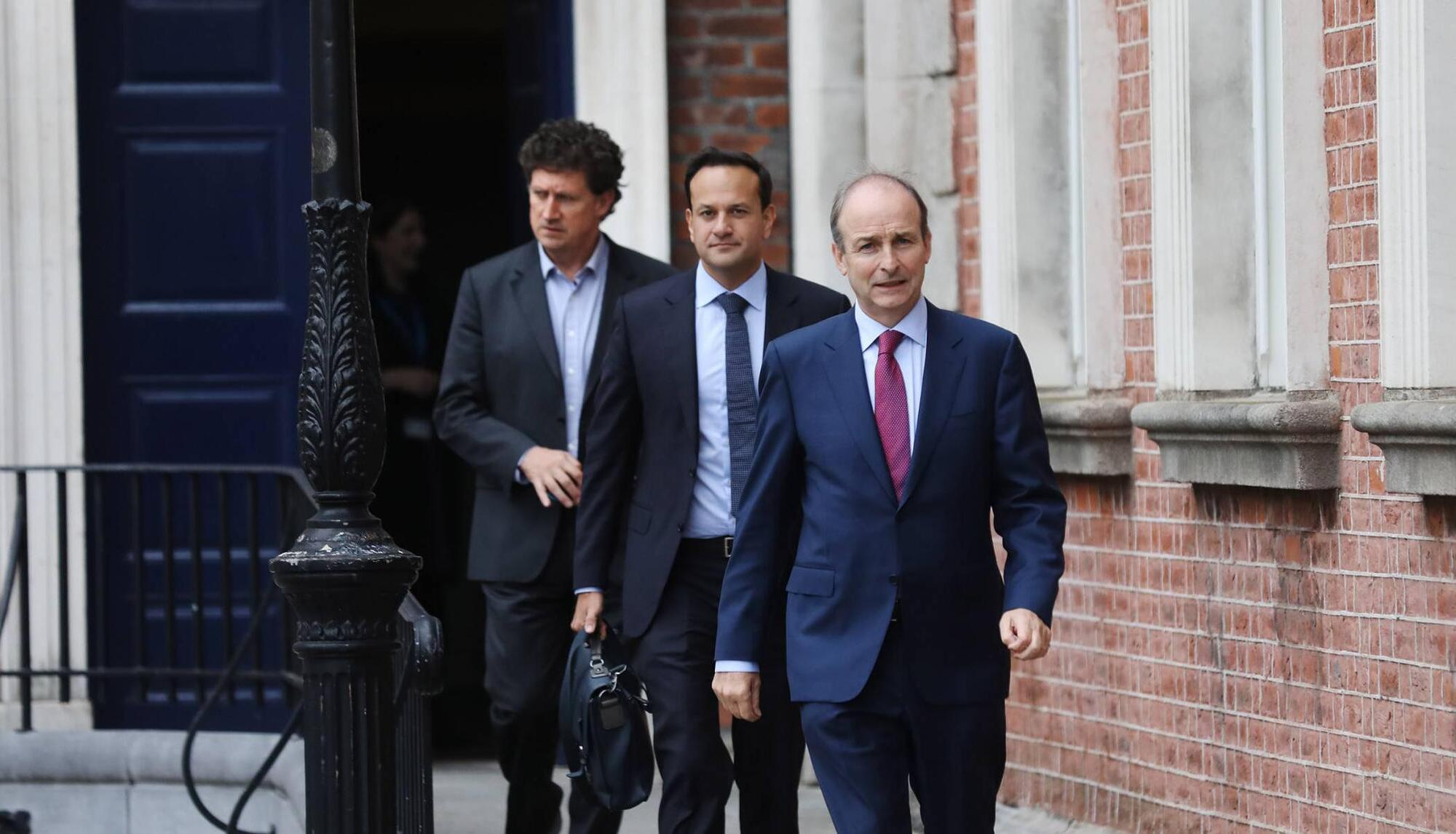
Coalition party leaders Eamon Ryan, Leo Varadkar and Micheál Martin. Picture: Julien Behal
There will likely be no cake for Micheál Martin to celebrate his two years as Taoiseach — the Corkman is famously vigilant about his diet — but the fact that the tripartite Government is still standing may be cause for others to indulge.
While many have scrubbed 2020 from their memories, it is important to recall the context in which this Government came to power. It was not until two days afterwards that pubs which served food were reopened in the midst of Covid lockdowns and some 827,000 people were having their incomes supported by State pandemic supports.
That atmosphere and the difficult circumstances were bad enough, but the Government's first few weeks in power were inauspicious, to put it kindly.
First, Mr Martin found himself unwelcome in North Cork after snubbing Michael Moynihan for a junior minister's role.
The sacking of one agriculture minister in Barry Cowen and the resignation of another in Dara Calleary occurred before the summer clothes were even packed away and the reopening roadmap proved to be an inaccurate read of the land as the term "wet pubs" entered the public lexicon.
Into that October, the talk of lockdowns grew but schools remained open and Mr Martin spoke of a "meaningful Christmas". That, too, descended into chaos as plans were ripped up and the hospitality sector closed at short notice on Christmas Eve.
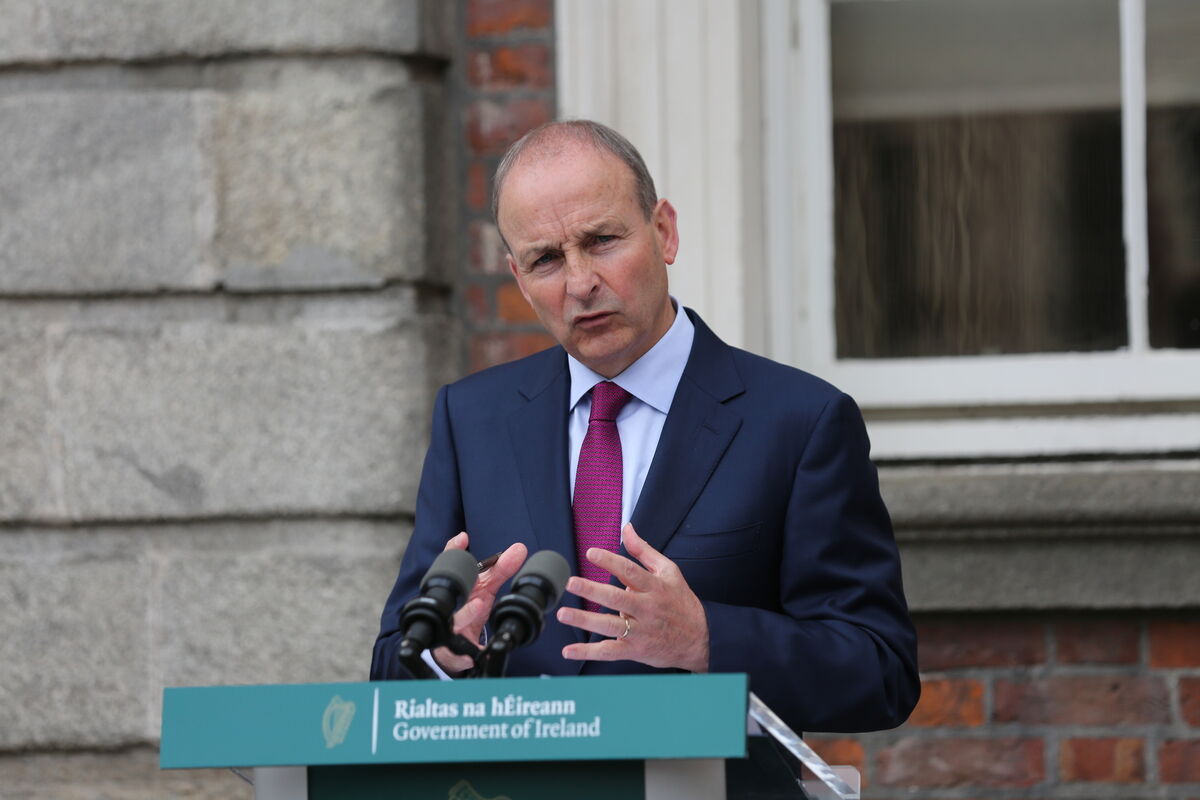
Coupled with tensions about how and when announcements were being made, the Government was, at times, wobbling.
While internally the level of that dissension was always played down, some in the public wondered how long the historic working arrangements would or even could continue.
The relationships between the three parties is described as collegiate and constructive, but with nobody under any illusions about the nature of politics at this level — at some point each of these parties will have to face the public and each other at election time.
To that end, each party is working to stake its claim over the achievements of this Government.
For Fianna Fáil, much of its reputation has been staked on health and housing. Recognising that they were the two key issues in the 2020 election, the party actively wanted to take the most weighty and important portfolios in this term, knowing that being able to sell itself as a party that had fixed those issues would be a powerful weapon next time the country goes to the polls.
Its record thus far? It would be fair to say it has been a mixed bag.
However, while Stephen Donnelly has spoken a good game about the transformations needed in the health service, the key issues remain.
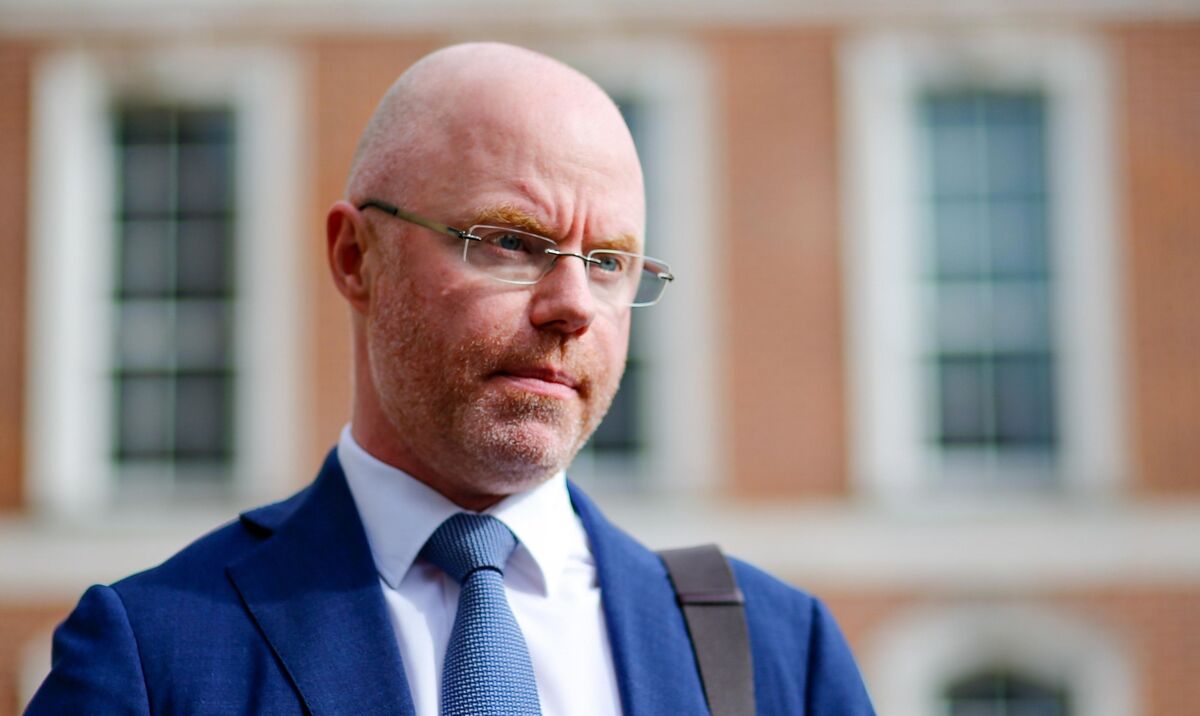
A €350m plan to cut waiting lists is not being felt on the ground according to medics, questions remain about the commitment to Sláintecare, and regional issues such as hospitals in Navan and Limerick have the potential to trip up the Government.
In housing, Darragh O'Brien is quick to extol the virtues of Housing For All, his flagship plan for tackling the housing crisis. He will tell you it is fully funded — for the first time in the history of the State, no less — that it has created a new type of tenure, and that it will drastically improve the provision of social and affordable housing.
However, while commencement notices are up and schemes under the Government's affordable banner are launched, house prices and rents remain in an upward trajectory while supply is drastically low.
For Fine Gael, its early pandemic handling bought it a wave of goodwill that has since dissipated almost entirely. It will point to the mass of legislation in justice, and workers' rights and the buttressing the social welfare system against Covid and Ukraine-related shocks, but the party has been in power for 11 years, and the public is weary.
Meanwhile, the Greens will feel the most content about its lot in the first two years of the coalition Government.
Candidly and privately, many in the Greens accept that any electoral backlash to this Government will focus on them, meaning that they are concentrating on amassing as many legislative wins as possible before then.
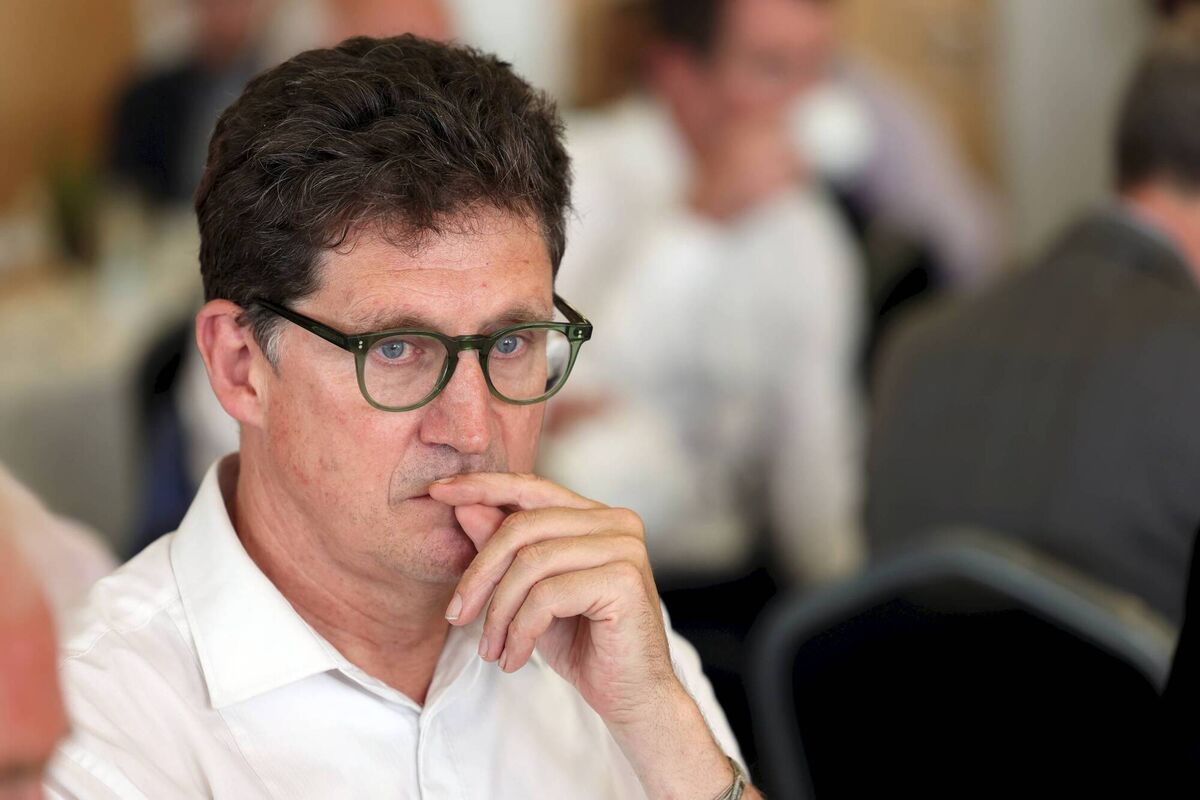
They are keen to mention the Government's Climate Action Plan, cuts to public transport fees, a freezing of childcare costs to go with funding of the sector, and an innovative basic income scheme for artists.
However, with sectoral emissions targets due to be announced in the coming weeks, the Greens face a major test of their mettle. If Fine Gael and Fianna Fáil are reluctant to hold some sectors — agriculture particularly — to higher reductions, will the Green Party hold its nerve or toe the line?
The criticism of the party thus far has been that it has rolled over on issues like the aforementioned hospital and the Ceta trade deal. Would it be willing to do the same on an environmental issue?
However, with two years down, the question is where to from here?
Couple that with the re-entry of Covid into the national conversation, war in Ukraine not abating, and a budget that will aim to deliver real cost savings in childcare, third-level education, and everyday expenses, while still retaining the financial firepower needed in the event of a recession or another external shock to the economy.
Simple stuff, when you put it like that, really.
Beyond the complexities of the public purse, there is the small matter of the rotating Taoiseach's position, which will be taken up by Leo Varadkar in December.
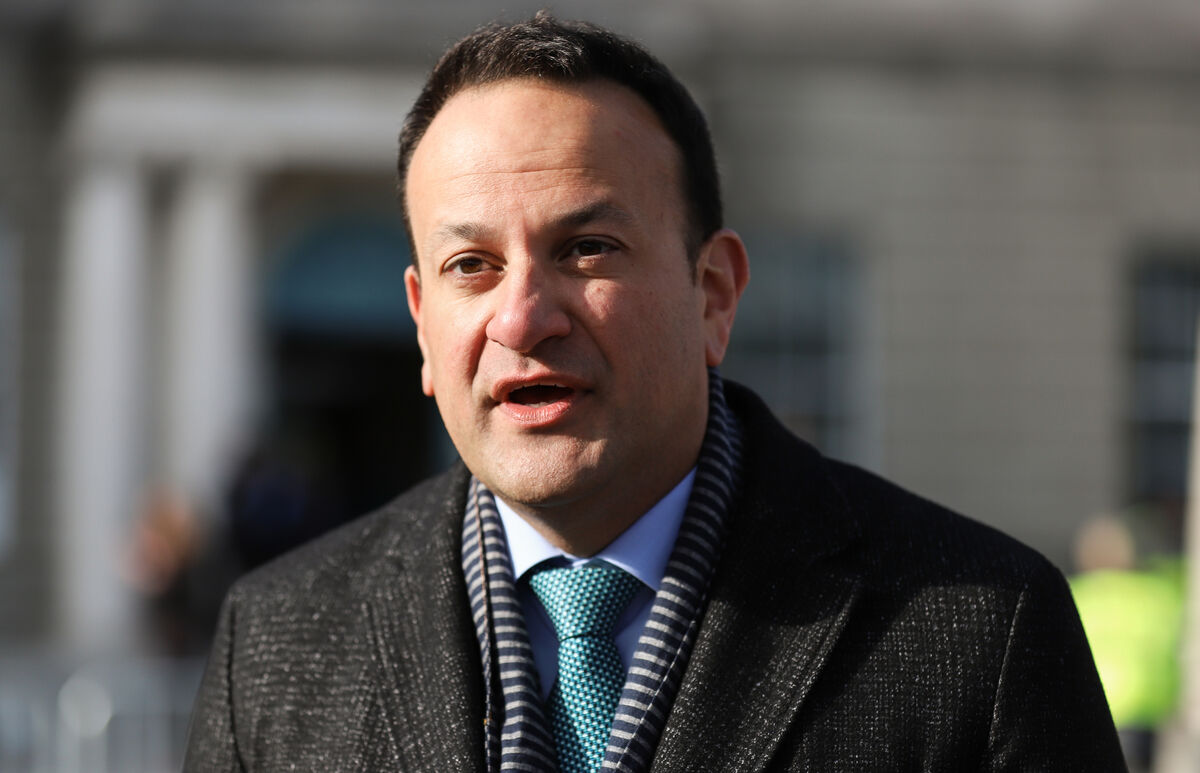
That will come with a Cabinet reshuffle, at which point Mr Varadkar particularly has choices to make.
However, with his party's polling stubbornly low, does he risk upsetting members of the parliamentary party who could plot against him?
In Fianna Fáil, the move of Mr Martin will be keenly watched. He has said he will become Tánaiste, but not which ministry he would like to occupy — or for how long.
While the Taoiseach says he will lead the party into the next election, the emergence of an obvious successor in 2023 would make that less and less likely.
With 40% of this Government's term run, we are left to paraphrase an Irish political cliche — a lot spoken about, more to speculate about.

CONNECT WITH US TODAY



Be the first to know the latest news and updates