Jean Pisani-Ferry: Crunch time for Europe's economic sanctions against Russia
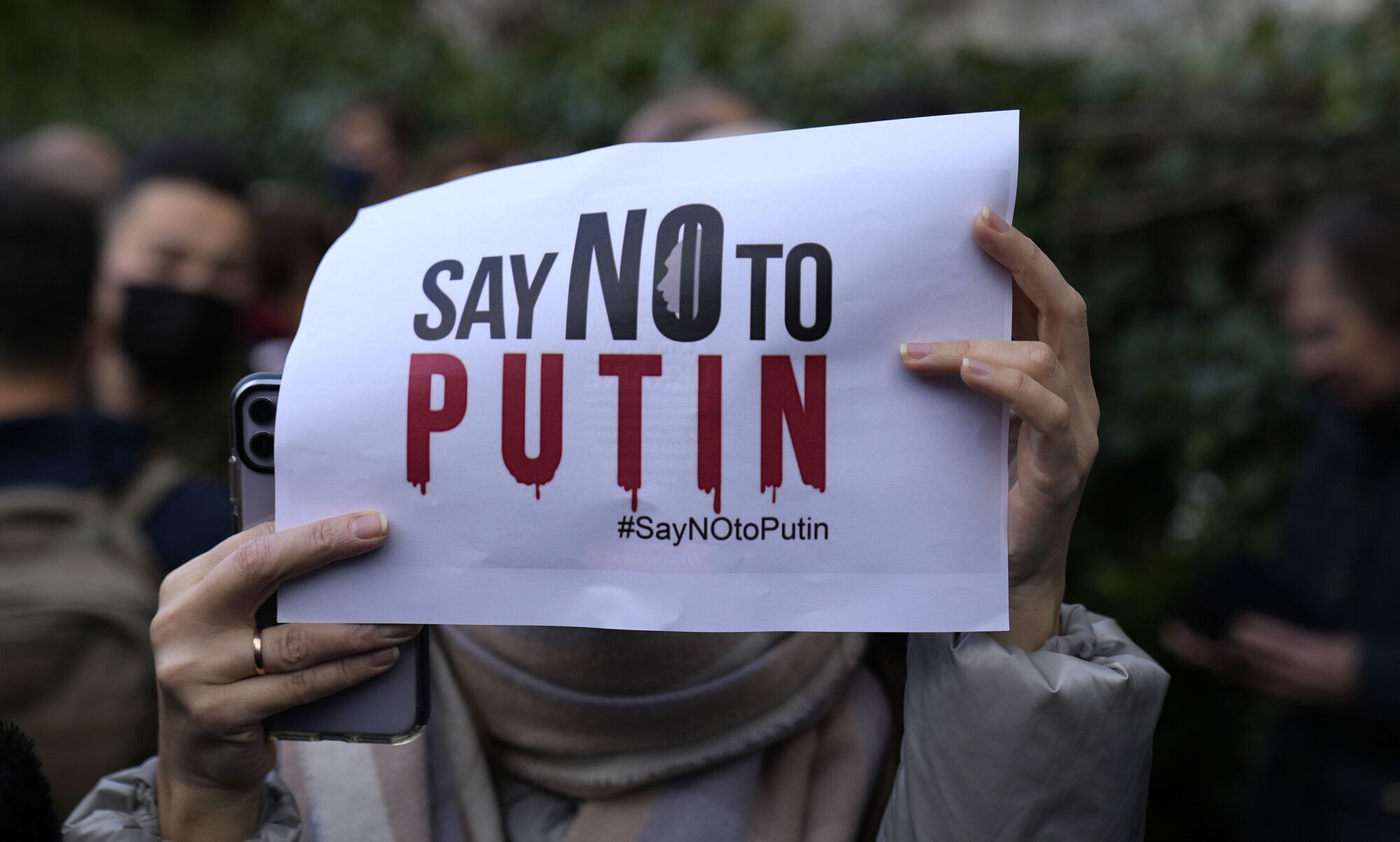
Banning Russia’s central bank from accessing its reserves was costless for the EU. But virtually any additional steps — reducing imports of oil and gas, banning a wider range of exports, or telling European firms to withdraw from Russia — would entail an economic cost for Europe.
In 2003, the conservative US pundit Robert Kagan famously wrote that Europe “is turning away from power; it is moving beyond power in a self-contained world of laws and rules”.
After Russia invaded Ukraine in late February, the European Union decided it was time to prove Kagan wrong. The EU has mobilised economic power, at least, against Russia’s military aggression, and deployed an array of monetary, financial, trade, and investment sanctions.

CONNECT WITH US TODAY



Be the first to know the latest news and updates