Sorcha O'Brien: Ardnacrusha was a defining moment in history of Ireland
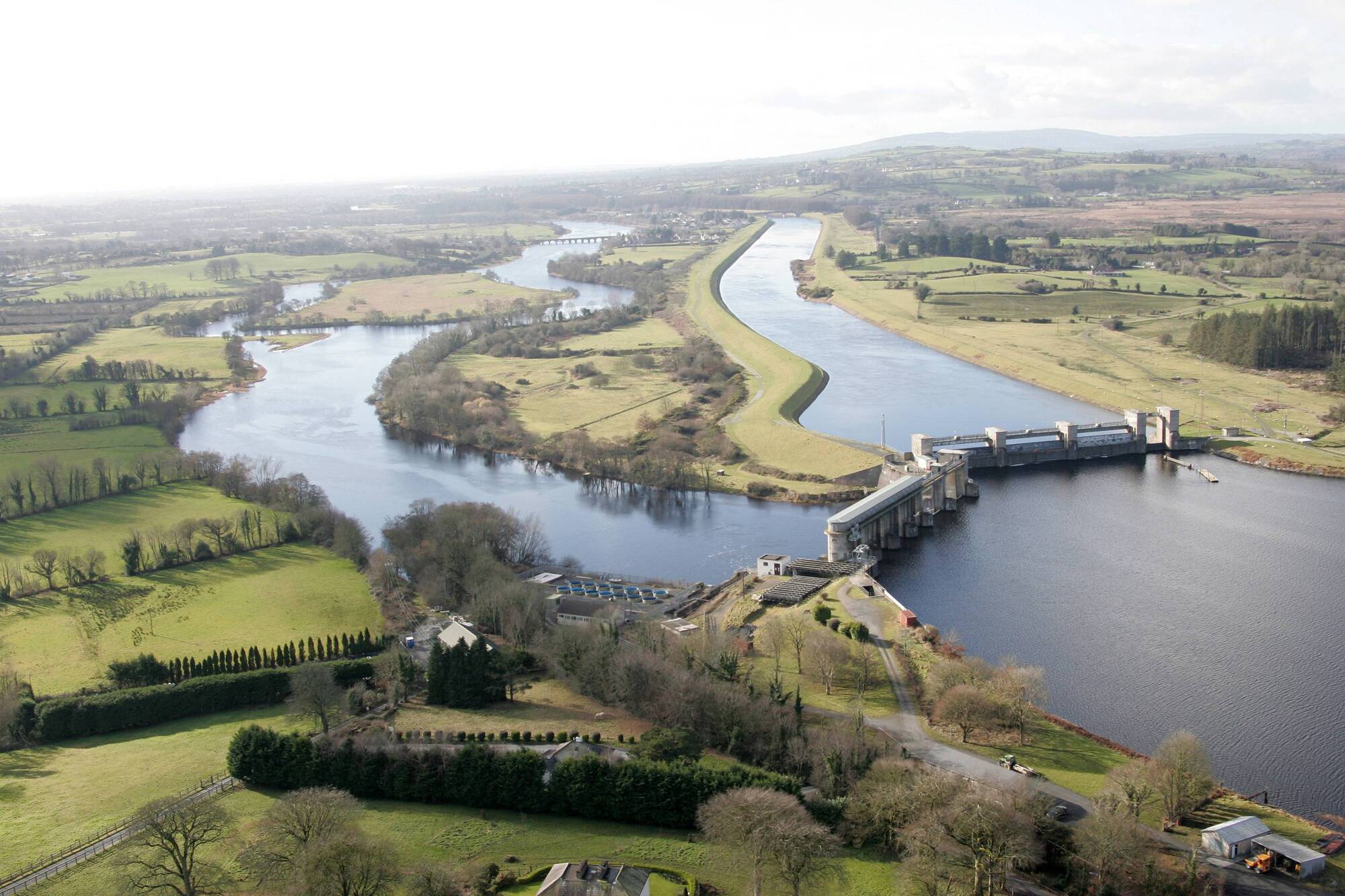
The Ardnacrusha power station was constructed during the first ten years of the Irish Free State, when it provided 80% of the power required by the nation.
The last few weeks have seen the war in Ukraine and the supply of Russian fossil fuels added to the ongoing climate crisis. We have seen temperatures in the Artic and Antarctic spike by up to 30 to 40C and Irish household energy bills following, as the burning of non-renewable resources continues to send both temperatures and bills skyrocketing. The issue of where we get our energy from has never been so pressing, and requires dramatic changes to ensure that we move to renewable resources that don’t make matters worse.
If you take the back road from Limerick city out to O’Briensbridge, you will be rewarded by glimpses of Ireland’s greatest engineering achievement of the 20th century. The Ardnacrusha power station was constructed during the first ten years of the Irish Free State, when it provided 80% of the power required by the nation. Still in operation today, it was recognised in 2002 by the Institute of Electrical and Electronic Engineers (IEEE) as an engineering milestone of the 20th century and remains the pride of both the ESB and Siemens, the company that constructed it.
Apart from the fact that our first foray into electrical generation was in the renewable area of water power, what does this power station have to do with our current predicament? The genesis of the Ardnacrusha power station is important, not just because it created the basis for our national grid and the ESB who have run it for nearly a century, but because of the scale and ambition of creating clean energy infrastructure in uncertain times.
In the early 1920s, a young Irish engineer, Thomas McLaughlin, was working for the German company Siemens on the electrification of Pomerania, which now spans the German-Polish border. McLaughlin was intrigued to see if his home country could benefit from electricity in a similar manner. He convinced Siemens to let him work up the calculations for the Shannon, and persuaded the Minister for Trade and Industry, Patrick McGilligan, that a power station generating electricity on the lower Shannon would make all the difference to the new nation.
This was particularly important because the majority of coal used in Ireland at that time was imported from Britain. While ‘energy security’ wasn’t a term used at the time, the idea of generating power locally was so attractive to McGilligan that he had few issues selling the project to the rest of the Government.
The Shannon Scheme began in 1925, after the Government had commissioned a report from a panel of European experts on hydro-electrical power and appointed Siemens for their engineering expertise.
Indeed, thousands of visitors took guided tours of the construction site, taking photographs and buying postcards to record the occasion. Even a film crew from Fox Film Company departed in despair in 1929, because they thought that the size and scale of the project made it unfilmable.
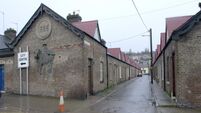
Regardless, the employment situation in the country was dire enough that when the call went out for labourers to dig canals, men walked from as far away as Connemara to work on the project, with a few hundred skilled German workers joined by thousands of unskilled Irish workers. Both Limerick and Clare benefitted from this influx — Siemens built housing for a number of their more senior staff, but the majority of workers rented accommodation in the surrounding areas.
However, the Government of the time could see the long-term benefits of this energy infrastructure and committed the enormous amount of 20% of the entire national budget to the project, and set up the ESB in 1927 to manage the station and the development of the national grid.
This week Environment Minister Eamon Ryan compared the new Maritime Area Regulatory Authority wind farm initiative to ‘Ardnacrusha to the power of 100’, mentioning the investment needed to develop the required infrastructure in ports such as Shannon Foynes and Cork Harbour.
The aim is to have the first turbines at sea by 2026, but the question remains whether this will be ambitious enough to steer Ireland out of its energy dependency on imported fuel? The latest IPCC report says that we need “immediate, rapid and large scale reductions in greenhouse gas emissions” if we are to limit global warming to even 2C.
Rather than responding to the energy crisis by stripping our irreplaceable bogs, we have an excellent example of a large scale renewable energy project on our doorstep, if only we can copy the ambition and vision of the Shannon Scheme.
Sorcha O’Brien is an Irish design historian.