Scale of sex-for-rent crisis finally creeps up on the Government

Sinn Fein’s housing spokesperson Eoin Ó Broin says his fear is that the urgently needed legislation will 'gather dust and more women will be affected by this appalling practice' if left at committee stage.
Words like "creep", "predator" and "scumbag" were thrown around the Dáil like confetti at a wedding in recent days.
So too were phrases such as power imbalance, exploitation, vulnerable women, war and refugees.
Blended together, they were key ingredients in the debate on the Ban on Sex for Rent Bill 2022, which is making its way through the Dáil.
While the Government side welcomed the bill, concerns were raised it was a half-baked piece of legislation, but those on the opposition benches are equally as strong in their view that the document before them is almost fully cooked.
The missing ingredients for them include a lack of commitment to a timeline from the Government for the passage of the bill through the Oireachtas, and a mixture of elements to address the simmering housing crisis.
In the mix, were concerns raised from a number of TDs that legislation on the area of sex for rent was brought to the Dáil, not by the Government, but by the Social Democrats.
Sinn Fein’s housing spokesperson Eoin Ó Broin said his first thought when the Irish Examiner first highlighted sex-for-rent advertisements in December was: “What if this was my sister? What if it was my mother or my daughter?"
He added:
He said condemnation of such practices is not enough, adding: “While I appreciate these are complex legal matters and it is not possible to produce legislation overnight, I do have one disappointment with today’s debate.”
He said the introduction of Government legislation would have been a much quicker way of tackling the issue.
Mr Ó Broin criticised the lack of a “cast-iron” commitment that the Government would bring forward its own legislation.
He believes Justice Minister Helen McEntee should contact the Social Democrats and organise a meeting of opposition spokespeople on housing and justice to ensure “at the earliest possible opportunity legislation is brought forward by Government to address the issue because that is the quickest way to resolve the matter”.
He pointed out that this Dáil has been in existence for more than two years and in that time the housing committee “has yet to get an opposition bill through our committee”.
Eight of the 14-member housing committee are drawn from the three Government parties. That has raised concerns in the opposition that the legislation may not be treated with the urgency they feel it requires at committee stage.
Mr Ó Broin says his fear is that the urgently needed legislation will “gather dust and more women will be affected by this appalling practice” if left at committee stage.
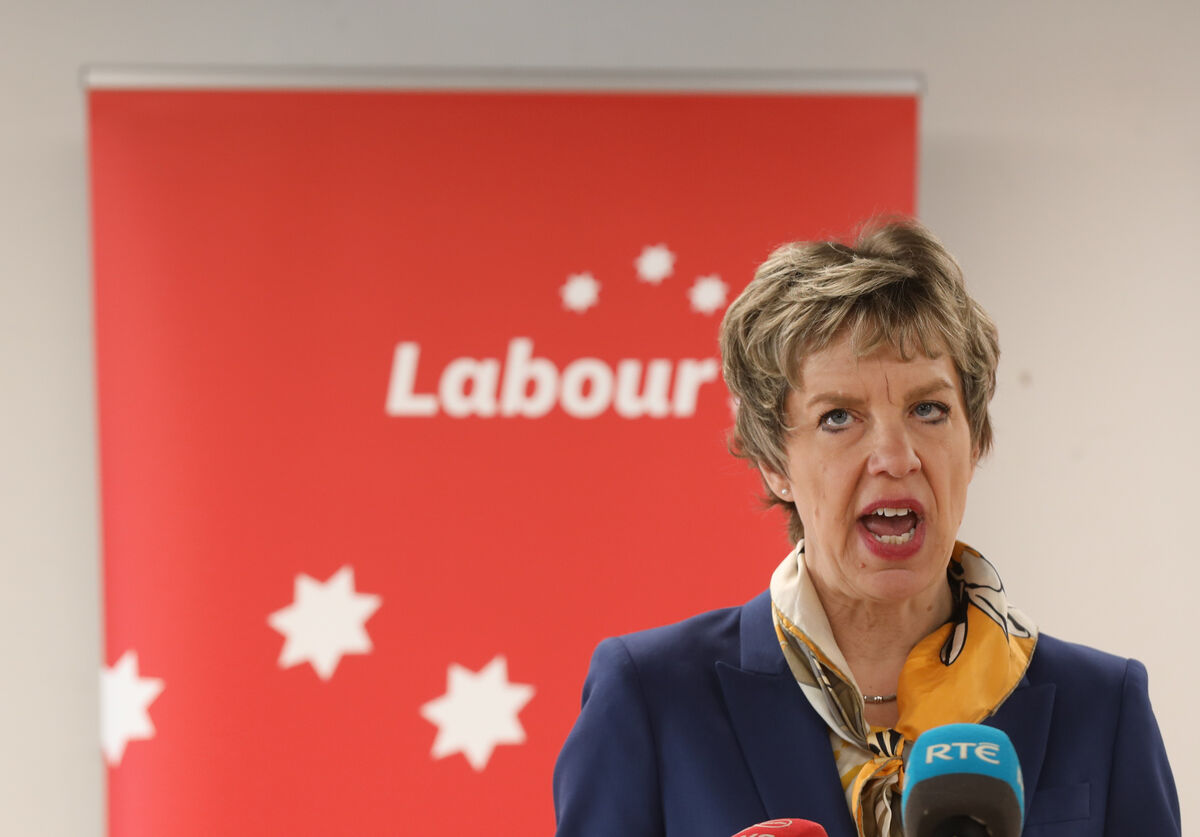
Just a day before she became the new leader of Labour, Ivana Bacik also raised concerns about how long new legislation would take to implement.
She demanded a clear timeline on its introduction into law — but there was none given.
Junior justice minister James Browne told the Dáil the Government had some issues about the legislation which must be ironed out.
For example, he said it does not consider how the new offences would interact with existing sexual offences legislation.
He also said it was unclear what the scope of the bill would be in terms of personal relationships — in particular where parties are not married and there is friction between them.
More clarity will be needed on what is meant by requiring sex as a condition of access to accommodation and who falls within the term of provider of accommodation, he said, adding "accommodation" and "sex" should also be defined in the legislation.
Ms Bacik pointed out there was always a power imbalance between landlords and tenants, but especially in a housing crisis.
She added:
"It is very important that we recognise that power imbalance and the coercive context in which practices such as that identified in this legislation are carried out.”
Sinn Féin's Louise O’Reilly agreed it would have been better if the Government had brought the legislation. She raised concerns about other areas of the housing sector.
She highlighted a message from a woman whose brother was looking for accommodation for several months in north Dublin.
Ms O’Reilly said the woman and her brother had a viewing for property on St Patrick’s Day which shocked them both. The rent was €1,200 per month and the one-bed property was snapped up by another renter even though it had mould on the walls and in the bathroom, had no shower, and was dirty and smelly.
Sinn Féin justice spokesman Martin Kenny raised concerns that sex for rent is being used as a gateway into prostitution for vulnerable women.
Fear was expressed for refugees arriving into Ireland – particularly given the Irish Examiner’s report last week that one advertisement has been uncovered which offers a sex-for-rent arrangement in Clare for a “slim Ukrainian” woman.
The house was united on two fronts — the need to address the issue of sex for rent, and recognition that its extent in Ireland is unknown because there has been no concrete work carried out to establish its prevalence.
Cian O’Callaghan of the Social Democrats said this newspaper's investigation into the area since last December “really shows the huge importance of independent investigative journalism and how important it is to our democracy to have strong independent journalism”.
Junior housing minister Malcolm Noonan said “we are very grateful” for the light shed on the practice by the . He acknowledged, however, that data was important and “that is something we need to get conclusive information on”.
It is clear from the many elements thrown into the mixing bowl that the elimination of sex for rent in Ireland is now on the radar — but it has a way to go before being fully baked.

CONNECT WITH US TODAY



Be the first to know the latest news and updates